
Unique BusinessName Ideas
How to name an unique business -The Complete Guide
Unique business name ideas backed by real brand examples, proven naming patterns, and domain strategy. Helps founders find a one-of-a-kind, ownable name.
A unique business name is one that nobody else can claim. It stands completely apart, it is confused with no one, and it gives a business a space in the market that belongs to it alone. In a world where most companies in a category sound like slight variations of each other, a truly distinctive name is the difference between being remembered as yourself and being mistaken for someone else. The name is the first thing a customer hears and the last thing they forget, and when it is genuinely one of a kind, every mention, search, and recommendation points back to you and only you.
It helps to be precise about what makes a name unique, because the word gets used loosely. A unique name is not the same as a catchy one or a creative one, even though the three overlap. A catchy name is built to stick in memory after one exposure. A creative name is built on an imaginative leap, on wordplay or invention. A unique name is built on singularity and ownership: it is the only one of its kind, no competitor shares it, and it can be owned cleanly across a trademark, an exact domain, and matching handles. A name can be clever without being distinctive, blending into a crowd of similar-sounding rivals, and it can be memorable while still being shared with three other businesses. Uniqueness is about standing alone and being defensible, not just about being catchy or inventive.
There is a tension worth naming early. The most distinctive name in the world is worthless if customers cannot say it, spell it, or find it, and a name is not truly unique if you cannot own it everywhere that matters. So the goal is not strangeness for its own sake. It is a name that is unmistakably yours, that no one else in your space can use, that you can secure across the web, and that still rolls off the tongue and lands in the right inbox. This guide walks through the main naming styles that produce names like that, with real, live brands in each, so you can see how distinctiveness was built and how it was kept usable and ownable.
It is worth being clear about what is at stake, because the cost of a name that is not truly unique is easy to underestimate. A shared or near-identical name means a lifetime of small frictions: customers who land on a competitor when they search for you, reviews and press that get credited to the wrong company, and marketing that has to work twice as hard to attach your reputation to the right business. None of these failures is dramatic on its own, but together they quietly bleed away the attention, trust, and traffic that should have been yours. A genuinely distinctive name removes that drag at the source, so every bit of momentum you build compounds in one place instead of leaking to a look-alike.
At a Glance
If you are short on time, here is the shape of what follows.
• A unique business name competes on singularity and ownership,
which is what lets a brand stand completely apart and never be confused with a competitor.
• This guide covers the main routes to a distinctive name, each with real, live examples:
brandable (coined words), compound (blended words), alternate spelling (respelled words), real word (familiar words used in an unexpected category), acronym (initials with a distinctive expansion), and evocative (words chosen for a feeling or image).
• Unique is not the same as catchy or creative.
Catchy optimizes for instant recall, creative optimizes for an imaginative leap, and unique optimizes for being the only one of its kind and fully ownable.
• Uniqueness is only real if you can own it.
A name, an exact matching domain, a clear trademark path, and clean handles together make a name defensible, and coined or respelled names make that ownership far easier to secure.
• However distinctive the name, it still has to be easy to say, easy to spell, and easy to find,
or the distinctiveness starts costing you customers instead of winning them.
• The fastest path is to generate a wide range of options, narrow them with a few simple tests, avoid the common mistakes, and secure the name and its domain early.
Should your domain name match your unique business name?
For a unique name, the answer is an emphatic yes: the domain should match the name exactly, because a name is only as unique as the territory you actually own. A distinctive name that points to a mismatched or compromised address is not fully yours. The exact match is what turns a clever idea into a defensible asset, so that when someone hears your name, types it, searches it, or recommends it, every one of those actions lands in the same single place that no one else controls.
The encouraging news is that unique names make an exact match unusually achievable. Coined words, blends, and respellings have no prior owners, so the exact .com is far more likely to be open than it is for a common descriptive phrase, where dozens of businesses are competing for the same words. This is one of the quiet rewards of choosing a distinctive name in the first place: the same originality that keeps you out of the crowd also keeps the domain, the trademark, and the social handles within reach, so the whole brand can be owned cleanly from day one.
It also helps to think about matching beyond the website. The strongest unique brands line up the exact domain, the handles on every major platform, and the trademark so they all point to the same name, with no gaps a competitor could fill. When all of those match, a customer who hears your name can find the right account, the right site, and the right company without a moment of doubt, and there is nowhere for a look-alike to slip in beside you. A name that matches everywhere reads as deliberate and trustworthy, while a name that is yours in one place and someone else's in another quietly undercuts the very distinctiveness you were trying to build.
When the exact .com is not within reach, you have better options than weakening the name. You can lean further into a coined or respelled variant, which is often what makes a perfectly clean match appear. You can choose a relevant alternative extension that genuinely fits your audience and category, so the address still reads as one deliberate, ownable idea. Or, if the exact word truly is the brand and anything less would dilute it, you can consider acquiring the matching domain outright. What undermines a unique name is padding the address with filler words, extra syllables, or hyphens, because a shared-sounding or cluttered domain reintroduces exactly the confusion the distinctive name was meant to eliminate. Treat the domain, the trademark, and the handles as part of the naming decision, and choose the path that keeps the whole brand unmistakably yours.
Why a strong unique business name and domain are worth the effort
A unique name is a compounding advantage, and a clean matching domain is what makes it defensible. The first job of any name is to be different enough to be noticed and remembered, and singularity is the most direct route to that difference. When every competitor is using a slight variation of the same words, a name that belongs to no one else cuts through immediately, and it keeps cutting through every time a customer tries to recall who they liked, because there is only one business it can point to. Distinctiveness is what makes you the easy answer to "what was that one called," rather than one of several near-identical options a customer has to sort out.
A unique name gives the brand an identity that cannot be borrowed.
A distinctive name signals confidence and originality before you have said anything about your product, and because no rival shares it, that signal stays attached to you. It becomes the seed of the entire brand identity, the thing the logo, the voice, and the visual world all grow from, and it does so without any of the equity leaking to a competitor with a similar name. A generic name gives a designer almost nothing to work with and gives customers almost nothing to hold onto. A unique name gives both a clear, single direction.
Original names are easier to defend and own.
Original names, especially coined and respelled ones, are far easier to protect and to own across every place a brand needs to live. They are more likely to clear a trademark search, more likely to have a matching exact domain, and more likely to be open as a clean handle on every platform. Once you own a distinctive word, no competitor can dilute it, no one can ride on your reputation by sounding almost the same, and your brand searches, your direct traffic, and your word of mouth all resolve to one place. A name you can own completely is an asset that grows in value. A name you share is a liability waiting to surface.
A matching domain makes uniqueness real.
A unique name and an exact, clean domain reinforce each other: the name makes you distinctive and the domain makes that distinctiveness real, because the address is the one piece of the brand a competitor genuinely cannot copy. When the domain is identical to the name, every mention, recommendation, and search points to exactly one place, and the recognition you earn is never scattered or handed to a near match. A unique name with a clean matching domain is a complete, defensible asset. A unique name attached to a compromised address is only half of one.
A unique name strengthens every indirect search signal.
A name and its domain do not, on their own, push you up the search rankings. What a strong, distinctive, ownable name does is strengthen all the indirect signals that compound over time. A one-of-a-kind name is more memorable, so more people search for it directly by brand, and because it is unambiguous, those searches find you rather than a competitor. It earns a higher click-through rate when people recognize it in a list of results. It attracts more links and mentions because it is more quotable and easier to attribute to a single business. It drives more return visits because people remember where they went. Those are the real mechanisms, and a unique name feeds every one of them.
A unique name reduces what marketing has to pay for.
Marketing is, in large part, the work of getting a name remembered and attached to the right company, and a name that belongs to no one else does some of that work for free. When people recall your brand after one exposure and find only you when they look, you spend less to reach the same customers than a business whose shared or forgettable name has to be reintroduced and disambiguated again and again. Over months and years, that compounding clarity becomes word of mouth you did not pay for and recognition you did not have to keep buying.
A unique name attracts talent, partners, and earned coverage.
A unique name makes a business more interesting to everyone who encounters it from outside, and it gives them a name they can attach to you specifically. Talented people are drawn to a brand with a name that signals originality and confidence. Partners take a distinctive brand more seriously. Writers and creators find a one-of-a-kind name easier and more appealing to mention, and easier to credit to the right company, which is exactly how earned coverage and organic links begin. A name built on singularity rather than a literal description can also stretch across new products and markets without ever feeling wrong, because it was never tied to a single shelf in the first place. The name is the first and cheapest piece of brand equity you will build, and when it is truly yours, it keeps paying out.
What matters most when naming an unique business
Distinctiveness
A business name is unique when nothing else shares it. Distinctiveness is the first quality: the name does not sound like a slight variation of the competition, and it is not built from the same tired words everyone else in the space is reaching for.
Ownership
Ownership is the second quality: the name can be secured across a trademark, an exact domain, and matching handles, so the distinctiveness is not just an impression but a defensible position.
Standing apart
Standing apart is the third quality: even in a crowded market, the name occupies a space of its own, so customers never have to wonder whether they have found you or a look-alike.
Easy to say
A unique name still has to be easy to say, so it travels in conversation and in a voicemail without making anyone hesitate. If a name forces people to spell it out or brace for a follow-up question, the distinctiveness starts costing the business customers.
Easy to spell
It has to be easy to spell, so someone who hears it can type it correctly and actually reach you, which matters most for coined and respelled names. A name that sends people to the wrong address is uniqueness working against you.
Clear in feeling
It has to be clear in feeling, so the name points at a mood that fits the business rather than a confusing or contradictory one. The mood of the name should match the positioning of the brand, or marketing has to fight an impression the name created.
Recognizable when small
It has to be recognizable at a small size, so it works as an app icon, a handle, and a line of text on a phone, where most people first meet it. A unique name that only works in a large, stylized treatment loses most of the places it actually lives.
Unique first, catchy as a result
A catchy name is engineered for instant recall, a creative name is engineered for an imaginative leap, and a unique name is engineered for singularity and ownership. The strongest names manage all three, but when you are naming for uniqueness, the test you keep returning to is whether the name is genuinely one of a kind and fully ownable, not merely whether it is sticky or clever. A name can be catchy and still be shared with competitors, and it can be creative and still be impossible to own. The goal is a name that is unmistakably yours, defensible across the web, and still effortless for a customer to use.
A spectrum, not a switch
It helps to think of these qualities as a spectrum rather than a switch. A coined word sits at the most distinctive end, since it belongs to no one until you make it, while a common real word borrowed for an unrelated category sits closer to the middle, distinctive through its pairing but requiring more care to own. Where a name lands on that spectrum should match how crowded your space is and how much you are willing to invest in building meaning from scratch. In a market full of look-alike competitors, the further toward the ownable, invented end you go, the easier it is to stand completely apart.
Unique business name ideas by naming style
Six proven approaches to naming your unique business, each with real examples and practical guidance.
Brandable (coined words) unique business name ideas
A coined word is the purest form of a unique name. An invented word has no prior owner, so no competitor can already hold it, and it clears trademark and domain hurdles far more easily than any real word ever could. When you make up a word, you are not fighting for space in a crowded category, you are creating a space that is yours alone. That is why so many of the most distinctive brands in the world are built on words that meant nothing until the company gave them meaning.
Get the balance right and you own something no one can take, dilute, or be confused with. The best brandable names sound like real words even though they are invented, with a clean, pronounceable shape that customers can repeat and type without thinking.
Five real examples worth studying
- •Waymo at waymo.com:
Waymo is a coined name for the autonomous-driving company, suggesting a new way forward in mobility. It is short, invented, and instantly ownable, with the exact .com anchoring a single global identity that no rival can share. Because the word existed nowhere before, the trademark and the domain were clean from the start. It demonstrates how a coined name can build a unique, defensible brand from a simple, evocative sound.
- •Heroku at heroku.com:
Heroku is an invented word for the cloud platform, with a playful, memorable shape that sounds like nothing else in enterprise software. The coinage gave the company a clean exact .com and a name no competitor could approximate. It reads as friendly and technical at once, which suits a tool built for developers. It is a coined name worth studying for how pure invention creates instant distinctiveness in a crowded technical category.
- •Vanta at vanta.com:
Vanta is a short coined word for the security-compliance platform, crisp and confident, sitting on a clean exact .com. The invented word carries no baggage and is straightforward to trademark and own across handles. Its brevity makes it memorable and unmistakable in a field full of descriptive, interchangeable names. It demonstrates how a tight, coined word can claim a serious category through sheer distinctiveness.
- •Zevia at zevia.com:
Zevia is a coined name for the zero-sugar soda brand, with a soft, modern sound and a faint echo of the sweetener it uses. The invented word gave the brand a clean exact .com and a shelf identity unlike any legacy soda name. It is short, pronounceable, and fully ownable. It is a coined name worth studying for how invention can stake out a distinctive position against entrenched competitors.
- •Marqeta at marqeta.com:
Marqeta is a coined name for the card-issuing platform, with an unusual spelling that makes it unmistakable in financial technology. The distinctive "q" turns the word into something instantly ownable and hard to confuse with anything else, anchored by a clean exact .com. It reads as modern and technical. It demonstrates how a coined word built around one unusual letter can create a unique, defensible identity in a competitive infrastructure market.
When you set out to coin a word, a few habits make the result both distinctive and usable. Keep it short, ideally one or two syllables, because brief invented words are easier to say, spell, and remember. Favor letter combinations that read the way they sound, so a customer who hears the name can type it on the first try. Test the word out loud and across a few accents, and check that it does not accidentally echo an awkward term in another language. The aim is a word that feels like it could be real, lands cleanly on the ear, and belongs to no one but you, which is the combination that turns a coinage into a brand rather than a curiosity.
Want more invented, ownable name ideas like these? The free Unique Business Name Generator can spin up distinctive coined words and check their exact domains instantly.
Compound (blended words) unique business name ideas
A compound name fuses two words or roots into a single new word, and the specific fusion is what makes it unique. Even when the parts are common, the combination belongs to you, because the odds of a competitor landing on the exact same blend are slim. A well-made compound reads as one word rather than two stuck together, so it feels almost invented while still carrying meaning from its parts. That is the appeal: you get the ownability of a coined word and the clarity of real language at the same time.
Done well, a compound names an entire concept in a single ownable word. The strongest compounds blend so cleanly that the seam disappears, producing a word that is easy to say, easy to spell, and distinctive enough to own outright.
Five real examples worth studying
- •Novartis at novartis.com:
Novartis blends the Latin roots for "new" and "skills," or "new arts," into a single coined-feeling word for the healthcare company. The fusion produced a distinctive, globally ownable name with a clean exact .com that no competitor shares. It sounds substantial and original at once. It demonstrates how blending roots, rather than plain English words, can create a unique name with real gravitas.
- •Medtronic at medtronic.com:
Medtronic fuses "medical" and "electronic" into one word for the medical-technology company, compressing exactly what it does into a distinctive, ownable name. The blend is seamless and reads as a single invented word rather than two stitched together, and the exact .com keeps the global brand unified. It is a compound worth studying for how two descriptive roots can combine into something far more distinctive than either alone.
- •Carvana at carvana.com:
Carvana blends "car" with a sound that echoes "nirvana" to suggest an effortless, elevated car-buying experience. The fusion is smooth and the word is unmistakable in auto retail, sitting on a clean exact .com. It turns an ordinary category into something aspirational through a single inventive blend. It demonstrates how a compound can reposition a familiar product by fusing it with an unexpected second idea.
- •Nextdoor at nextdoor.com:
Nextdoor joins "next" and "door" into a warm, instantly understood word for the neighborhood social network. Two everyday words combine into a single phrase that captures the whole idea, and the exact .com makes it unmistakably the brand. The compound is friendly and self-explanatory while still being ownable. It is a compound worth studying for how plain words, fused precisely, can name an entire concept.
- •Thumbtack at thumbtack.com:
Thumbtack pins together "thumb" and "tack" into a vivid, concrete word for the service that connects people with local professionals. The compound evokes pinning a note to a board, which fits the idea of posting a job, and the exact .com anchors it. The word is memorable, physical, and unlike any competitor. It demonstrates how a compound built from tangible objects creates a unique, sticky identity.
To build a compound that feels unique rather than stitched together, pay attention to where the two parts meet. The smoothest blends share a sound at the seam or drop a redundant syllable, so the join is invisible and the word reads as one. Pairing a concrete word with an abstract one often produces the most distinctive result, because the unexpected combination is exactly what no competitor will have reached for. Say the finished word aloud and make sure it does not split back into its parts on the page. When it flows as one word, with a meaning that hints at what you do without spelling it out, you have the version worth keeping.
Looking for clever blends of your own? The free Unique Business Name Generator can fuse words into distinctive compounds and show you which exact domains are open.
Alternate spelling (respelled words) unique business name ideas
A respelling takes a familiar word and modifies it, so the brand ends up owning a distinctive version of a word everyone already knows. This is one of the smartest routes to a unique, ownable name, because the original word is usually impossible to own, while a thoughtful respelling makes the exact domain, the trademark, and the handles all reachable. The sound and meaning stay intact, so customers still understand the name instantly, but the spelling belongs to you alone.
The best respellings alter just enough to become ownable while staying obvious to spell, so the name keeps its meaning and its findability at the same time.
Five real examples worth studying
- •Wyze at wyze.com:
Wyze respells "wise" for the smart-home company, swapping in a "y" and a "z" to create a distinctive, ownable word that still says exactly what it means. The respelling made a clean exact .com reachable where the original word never could be, and it reads as modern and tech-forward. It is unmistakable in a category full of generic names. It demonstrates how a small respelling turns a common word into a unique, ownable brand.
- •Babbel at babbel.com:
Babbel respells "babble" for the language-learning app, doubling a letter to evoke chatter and conversation while becoming fully ownable. The exact .com is clean, and the playful spelling fits a product about learning to speak. It is friendly, distinctive, and impossible to confuse with the dictionary word. It is a respelling worth studying for how a single letter change creates an ownable name that still carries its original meaning.
- •Zwift at zwift.com:
Zwift respells "swift" for the indoor-cycling platform, replacing the opening with a "z" to suggest speed and energy in a distinctive, ownable form. The respelling delivered a clean exact .com and a name that stands alone in fitness software. It is short, fast-sounding, and unmistakable. It demonstrates how respelling a word for motion can produce a unique brand that still feels like exactly what it describes.
- •Lugg at lugg.com:
Lugg respells "lug" for the on-demand moving and hauling service, doubling the final letter to make a short, punchy, ownable word that says exactly what the service does. The respelling secured a clean exact .com and a name that is hard to confuse with anything else. It is blunt, memorable, and fitting. It is a respelling worth studying for how doubling a letter turns a plain verb into a distinctive brand.
- •Phlur at phlur.com:
Phlur respells the French word for flower for the fine-fragrance brand, trading an ordinary spelling for a distinctive one that still evokes scent and petals. The unusual spelling gave the brand a clean exact .com and a name unlike any competitor on the shelf. It looks modern and feels premium. It demonstrates how respelling a borrowed word creates a unique, elegant identity that the original spelling could never own.
The trick to a respelling that works is changing exactly enough and no more. Swap or double a letter, trade a common spelling for a phonetic one, or borrow a spelling from another language, but keep the result close enough that a listener could still guess it. A respelling that people cannot reconstruct from hearing it will quietly send customers to a competitor's address, which is the one outcome a unique name cannot afford. Read each candidate aloud and ask whether a stranger would type it correctly the first time. When the answer is yes and the spelling is still distinctly yours, the respelling has done its job, giving you a word that is ownable and unmistakable without becoming a riddle.
Want to see respelled versions of your favorite words? The free Unique Business Name Generator can generate ownable alternate spellings and check the exact domains for you.
Real word (familiar word, unexpected category) unique business name ideas
A real, familiar word becomes a unique name when you point it at a category nobody associates it with. The word itself is common, but the pairing of that word with your business is distinctive and ownable, and that gap between the word's usual meaning and its new use is exactly what makes the name stick. The key is that the word must not simply describe what you sell, because a literal descriptor is the opposite of unique. It should be a word with its own life that you borrow and make your own.
When you do secure a real word for an unrelated category, you get a name that is warm, instantly understood, and impossible for a competitor to claim as their own.
Five real examples worth studying
- •Clay at clay.com:
Clay borrows the name of the material for a data and sales-intelligence platform, a category nobody associates with the word. The unexpected pairing makes the name distinctive, and the clean exact .com makes it ownable. The word is short, warm, and effortless to say and spell. It demonstrates how a familiar word, moved into an unrelated category, becomes a unique and memorable brand.
- •Article at article.com:
Article is a common word, a piece of writing or a small grammatical part, used for a direct-to-consumer modern-furniture brand. The word has nothing to do with sofas, which is exactly what makes the name distinctive, and the clean exact .com makes it fully ownable. It is simple, confident, and easy to remember. It is a real-word name worth studying for how an ordinary term takes on a unique identity in an unrelated category.
- •Front at front.com:
Front is an everyday word used for a customer-service and communication platform, where it suggests a unified front line for a team. The familiar word, applied to software, becomes distinctive, and the clean exact .com makes it ownable. It is short, strong, and instantly sayable. It demonstrates how a plain word can carry a unique brand when it is paired with the right idea and the exact domain.
- •Copper at copper.com:
Copper is the name of a metal, used for a customer-relationship platform, a pairing that has nothing obvious to do with the element. That distance is what makes the name distinctive, and the clean exact .com makes it ownable. The word is warm, concrete, and easy to recall. It is a real-word name worth studying for how an element name becomes a unique identity in software.
- •Retool at retool.com:
Retool is a real verb, meaning to re-equip or reorganize, used for a platform that lets teams build internal tools quickly. The word quietly hints at the benefit while staying distinctive, and the clean exact .com makes it ownable. It is purposeful, memorable, and unlike competitor names. It demonstrates how an ordinary verb, chosen for its fitting double meaning, becomes a unique brand.
Choosing the right real word is mostly about distance. The word should sit far enough from your category that the pairing feels fresh and ownable, yet close enough in feeling that it still makes sense once customers know what you do. Avoid the obvious descriptors of your industry, because those are shared by everyone and impossible to own, and reach instead for a word with its own texture: a material, an object, a natural feature, or a verb with a useful second meaning. Then check that the exact domain is reachable, since a common word with a taken address is a name you would always be sharing rather than owning. The best real-word names are surprising, sayable, and genuinely yours.
Curious which real words are still ownable in your space? The free Unique Business Name Generator can surface unexpected word ideas and check their exact domains instantly.
Acronym (initials with a distinctive expansion) unique business name ideas
An acronym turns a longer name into a short set of initials, and it becomes unique when the letter combination is ownable and the expansion behind it is distinctive. Initials on their own can feel generic, since plenty of companies reach for the same letters, so the strongest acronym brands have either an unusual, pronounceable letter string or a backstory expansion that no competitor could ever claim. The expansion is often where the uniqueness really lives.
The practical advantage of an acronym is that it compresses a long or descriptive founding name into something short and ownable, and over time the letters become the brand entirely.
Five real examples worth studying
- •QANTAS at qantas.com:
QANTAS stands for Queensland And Northern Territory Aerial Services, the origin of the Australian airline, an expansion so specific that no other company could share it. The initials formed a short, pronounceable word that reads as a name rather than a string of letters, anchored by a clean exact .com. It is distinctive and deeply tied to its history. It demonstrates how an acronym with a unique expansion becomes a one-of-a-kind brand.
- •SAAB at saab.com:
SAAB comes from the Swedish description meaning Swedish Aeroplane Limited, the aerospace and defense group's founding name, compressed into a short, ownable word. The four letters read as a single name and sit on a clean exact .com. The distinctive expansion ties the brand to a specific origin no competitor can claim. It is an acronym worth studying for how initials from a founding phrase become a unique, pronounceable brand.
- •BASF at basf.com:
BASF stands for the German phrase behind the chemical company's founding, a long descriptive name reduced to four memorable letters. The initials are distinctive and unmistakable in their industry, anchored by a clean exact .com. The expansion is specific to the company's origin. It demonstrates how a cumbersome founding name becomes a unique, ownable identity through initials.
- •HSBC at hsbc.com:
HSBC stands for the Hongkong and Shanghai Banking Corporation, the bank's original full name, shortened to four letters recognized around the world. The initials are distinctive and the expansion is specific to the company's roots, with a clean exact .com. The acronym became the brand entirely. It is an acronym worth studying for how a geographically specific founding name becomes a unique global identity.
- •MS at ms.now:
MS.now, the new name of the news network formerly known as MSNBC, rebranded as part of the Versant spin-off from NBCUniversal. The shift to a short, ownable letter pair on a clean, meaningful extension shows how even a long-established acronym can be refreshed into something more distinctive and modern. The name reads as confident and contemporary. It demonstrates how initials paired with the right extension create a unique, current brand.
To make an acronym distinctive rather than generic, lean on the expansion and the sound. An expansion drawn from a specific place, founder, or origin gives the letters a story no competitor can claim, even when the initials themselves are short. Where possible, arrange the letters so they read as a pronounceable word rather than a string spelled out one letter at a time, since names that can be spoken travel far better than those that cannot. Check that the exact domain and a clear trademark path are reachable for the letter combination you choose. An acronym that is easy to say, tied to a unique backstory, and ownable as an exact match is one that can carry a brand for decades.
Wondering what your initials could become? The free Unique Business Name Generator can build distinctive acronym ideas and check their exact domains for you.
Evocative (feeling or image) unique business name ideas
An evocative name borrows a word for the feeling or image it carries, choosing a vivid term, often from nature, myth, or geography, and attaching it to a business. It becomes unique when the word is distinctive and the pairing with your category is unexpected, so the name conjures a mood while standing completely apart from competitors. The word does the emotional work, and the surprise of where it is used does the distinctiveness.
Chosen well, an evocative name gives a brand an atmosphere that a plain descriptor never could, and one that no rival can easily reproduce.
Five real examples worth studying
- •Jaguar at jaguar.com:
Jaguar borrows the name of the big cat for the luxury-car maker, evoking speed, grace, and power in a single distinctive word. The animal has nothing literally to do with cars, which is what makes the pairing memorable, and the exact .com anchors a global identity. It is vivid, premium, and instantly recognizable. It demonstrates how an evocative animal name becomes a unique, defensible brand.
- •Polaris at polaris.com:
Polaris takes the name of the north star for the powersports company behind snowmobiles and off-road vehicles, evoking direction, guidance, and the outdoors. The celestial name is distinctive and aspirational, and the clean exact .com makes it ownable. It feels adventurous and singular. It is an evocative name worth studying for how a star's name becomes a unique identity for a brand about exploration.
- •Tabasco at tabasco.com:
Tabasco borrows the name of a Mexican state for the hot-sauce brand, evoking heat, place, and authenticity in one distinctive word. The geographic name became so tied to the product that it is now unmistakable, anchored by a clean exact .com. It is vivid, specific, and ownable. It demonstrates how a place name, attached to the right product, becomes a unique and enduring brand.
- •Evian at evian.com:
Evian takes the name of a French alpine town for the bottled-water brand, evoking mountains, purity, and a sense of source. The place name is elegant and distinctive, and the exact .com anchors the global identity. It carries a feeling of clean origin that fits the product perfectly. It is an evocative name worth studying for how a geographic name lends a unique sense of place to a brand.
- •Hatch at hatch.co:
Hatch borrows the everyday image of something hatching for the sleep and wellness company, evoking new beginnings, rest, and gentle mornings. The word is warm and distinctive in its category, and the brand operates on a clean exact match at hatch.co. It feels calm and original. It demonstrates how an evocative everyday image becomes a unique brand when it is matched to the right product and a clean exact domain.
The art of an evocative name is matching the word's feeling to your brand while keeping the pairing unexpected. Reach for words with strong imagery, from nature, myth, geography, or the senses, and choose one whose mood lines up with how you want customers to feel, not just one that sounds nice. The most distinctive evocative names borrow a word from a world far from your category, so the image is vivid and the combination is yours alone. Confirm the word is sayable, spellable, and ownable as an exact match, because even the most beautiful name still has to function as an address and a handle. Chosen with care, an evocative word gives a brand an atmosphere no competitor can reproduce and a feeling customers attach to you and no one else.
Want names that capture a specific feeling? The free Unique Business Name Generator can generate evocative word ideas and check which exact domains are open.
Domain strategy: standard registration vs. premium domains
Once you have a distinctive name in mind, the next decision is how to secure its domain, and the choice usually comes down to standard registration or a premium domain. A standard registration is the ordinary path: the exact match for a coined or respelled name is often unclaimed, so you register it for the usual yearly fee and own it outright. A premium domain is one that someone already holds, typically a short, clean, or highly desirable address that changes hands for a higher one-time cost. For a unique name, this decision matters more than usual, because the whole value of distinctiveness depends on actually owning the territory the name stakes out.
The case for investing in the strongest possible domain rests on what the address does for the business over time.
• Trust.
An exact-match domain signals that a business is established and legitimate, and for a unique name it also signals that you own your space rather than borrowing a corner of someone else's.
• Memorability.
When the name and the address are identical, there is nothing extra to remember and nothing to get wrong, so a distinctive name becomes effortless to return to.
• Brand strength.
A name and a matching domain that read as a single unit make the brand feel whole, and the distinctiveness compounds because it is never divided across a name and a mismatched address.
• Discoverability.
A one-of-a-kind name paired with its exact domain is easy to find precisely because there is only one place it could lead, so customers who hear it once can reach you without a search that might surface a competitor.
• Direct traffic.
People type a memorable, distinctive name straight into the browser, and an exact match means that traffic lands on you instead of leaking to a similar address.
• Long-term positioning.
Owning the exact match defends the brand as it grows, so that as the business expands into new products and markets, no one can move into the space your name created.
• Conversion.
When visitors arrive and the address matches the name they were looking for, that consistency reassures them they are in the right and only place, which quietly supports every step that follows.
None of this means a premium domain is always the right call. For many distinctive names, especially coined and respelled ones, the exact match is simply there to register, and that is the ideal outcome. The point is to weigh how central the exact word is to the brand and how much owning it cleanly is worth, then decide deliberately. A unique name deserves a domain strategy that keeps it unmistakably yours, whether that means a standard registration you secure today or a premium domain worth acquiring because nothing else would do.
If you would rather begin from a distinctive name that already comes with a clean, matching domain, the NextBrand high-impact domains collection is built for exactly that, where each address is a single, ownable idea rather than a phrase you would have to share.
Brand-matching .com pairings worth studying
The examples below include real operating brands and strategic .com pairings that show how distinctive naming patterns can work on a clean matching domain. The first three are strategic domain pairings rather than case studies of live companies, included to illustrate the pattern, and the rest are operating brands.
• Clerga at Clerga.com:
A strategic domain pairing rather than a live company, included to show the pattern. Clerga is a coined word with no prior meaning, which is exactly what makes it distinctive and fully ownable, and the exact .com keeps the whole idea clean. The unusual sound reads as modern and serious at once. It is a pattern worth studying: a coined word paired with an exact .com that would belong to one brand alone.
• Menetix at Menetix.com:
Another strategic domain pairing rather than an operating brand, included for the pattern. Menetix is an invented, technical-sounding word whose unusual construction makes it instantly ownable and hard to confuse with anything else, matched by a clean exact .com. It feels engineered and precise. It is a pattern worth studying: a coined name with a distinctive ending that an exact .com makes defensible.
• Coralisa at Coralisa.com:
A strategic domain pairing rather than a live company, included to illustrate the pattern. Coralisa is a coined word with a soft, evocative echo of coral and a flowing, memorable shape, and the exact .com keeps it unified. It feels warm and distinctive. It is a pattern worth studying: a coined, evocative name whose exact .com would make it unmistakably one brand's own.
• Anaplan at anaplan.com:
A real operating brand in planning and performance software, built on a coined word that is distinctive in a category full of descriptive names. The invented term is fully ownable and sits on a clean exact .com. It reads as capable and modern. It is a pattern worth studying: a coined word that claims a serious enterprise category and an exact match that keeps it singular.
• Nutanix at nutanix.com:
A real operating brand in cloud and infrastructure software, built on a coined word that stands apart from its competitors. The invented name is distinctive and ownable, anchored by a clean exact .com. It feels technical and confident. It is a pattern worth studying: an invented word with an exact match that gives an infrastructure brand a unique, defensible identity.
Brand-matching alternative TLD pairings worth studying
• Noir at Noir.now:
A strategic domain pairing where the .now extension acts as a clean brand suffix, completing a single, distinctive word. Noir, the French word for black, is elegant and evocative, and the short ending keeps the whole name tight and ownable. The pairing reads as one deliberate idea rather than a word with an address attached. It is a pattern worth studying: a one-word name finished cleanly by an extension that becomes part of the brand.
• Lovable at lovable.dev:
A real operating brand, an artificial-intelligence app builder, on the developer-native .dev extension. The warm, real word stands out in a technical field, and the ending signals exactly who the product is for. The name and extension reinforce each other. It is a pattern worth studying: a distinctive real word paired with an extension that speaks directly to its audience.
• Fly at fly.io:
A real operating brand, a developer cloud and hosting platform, on the .io extension that technology audiences read as native. The short, single word is distinctive and the extension fits the community it serves. The pairing is tight and confident. It is a pattern worth studying: a brief, ownable real word matched to an extension that signals its category.
• Synthesia at synthesia.io:
A real operating brand in artificial-intelligence video, built on a coined-feeling name that suggests synthesis and creation, on the .io extension. The distinctive word stands apart in its space, and the ending marks it as a technology product. The name and extension work as a unit. It is a pattern worth studying: a distinctive, invented-feeling name paired with an extension that reinforces what it is.
How to choose the right domain extension
A unique name and a clean domain are two halves of the same decision, and the extension you choose is where that decision is settled. For most businesses, a .com is still the default people assume and type without thinking, which makes an exact .com match the strongest possible home for a distinctive name. Because coined, blended, and respelled names so often have an exact .com open, choosing a unique name and matching the domain exactly tend to go hand in hand, and that is the simplest way to keep the whole brand ownable.
For a distinctive brand, the extension can also do more than label an address: it can become part of the name itself. The most interesting pairings are the ones where the name and the extension read as a single thought, so the ending completes a word, finishes a phrase, or sharpens the brand's meaning rather than just sitting at the end of it. That is where extensions beyond .com earn their place, not as decoration or as a fallback, but as a deliberate choice that adds a layer the name alone could not.
When the exact .com is not the right fit, several other extensions can suit a unique brand well, as long as the choice is grounded rather than chosen for effect. A .now extension can work in two distinct ways: it can signal immediacy and on-demand energy for a business built around speed, or it can act as a clean brand suffix that completes a one-word name. A .ai extension fits a product genuinely built on artificial intelligence, where the ending doubles as a category signal. A .io or a .dev extension feels native to developer and technology audiences, who read those endings as a sign you speak their language. A .app extension suits a product that lives primarily as an application, and a .org extension carries a sense of mission and community for nonprofits and public-interest projects. A .xyz extension reads as forward-looking and unconventional, which can suit a brand that wants to feel new. Other concise endings, such as .co, exist as options too, but none of these alternatives should be chosen simply because it is open. The test is always the same: pick a relevant alternative extension that genuinely fits your audience and category, reinforce the distinctiveness the name is already carrying, and never promise a customer an ending you cannot actually use.
Shortlist the strongest names
Generating distinctive options is the fun part. Narrowing them to the one you will commit to is where most of the value is, and a few simple tests make the choice far easier and far more confident.
Start with the say-it-out-loud test.
Read each finalist as if you were introducing your business to a stranger or leaving it in a voicemail. A name that is a pleasure to say and impossible to misunderstand has cleared the highest bar. If you find yourself spelling it out, hesitating over the emphasis, or bracing for a follow-up question, the name is carrying more strangeness than it can support, and uniqueness should never come at the cost of being sayable.
Apply the distinctiveness test next, because this is the one that defines a unique name.
Search each finalist and look at who else shows up. If other businesses, especially in your category, already use the name or something close to it, it is not truly unique, and you will spend years being confused with them. The strongest candidate is the one that returns almost nothing, leaving the space open for you to own.
Pair that with an ownability check.
Look at whether the exact domain, a clear trademark path, and clean handles are all within reach, because a name is only as unique as the territory you can actually secure. A distinctive name you can own everywhere is worth far more than a slightly catchier one you would have to share.
Do not skip the feeling and small-screen tests.
Name the mood each finalist creates and confirm it fits the brand you want to build, then picture the name as an app icon, a handle, and a line of text on a phone, since that is where most people first meet it.
When several finalists pass, gather honest reactions.
When a name is distinctive, sayable, spellable, ownable, and right in feeling, you have found something rare. Gather a few honest reactions from people who match your audience, and often one name quietly wins on several of these at once.
Common mistakes to avoid
Most unique names fail in a handful of predictable ways, and knowing them in advance is the easiest way to avoid them.
Assuming a name is unique without checking.
A name can feel fresh in your head and still be in use by several other businesses, sitting on a taken domain, or close to a registered trademark. Uniqueness is a claim you have to verify, not a feeling, so the work of searching the name, the domain, and the trademark records comes before you fall in love with it.
Confusing unique with strange.
A name that is hard to pronounce, impossible to spell, or baffling in meaning is not distinctive in a useful way, it is just difficult. Distinctiveness only helps when customers can still say the name, type it, and remember it, so the goal is a name that stands apart while staying easy to use.
Pairing a distinctive name with a padded or compromised domain.
Filler words, extra syllables, or hyphens quietly reintroduce the confusion the unique name was meant to remove. If the exact match is out of reach, a coined variant or a grounded alternative extension is almost always better than a cluttered address that sends people somewhere uncertain.
Landing too close to a competitor.
Borrowing the same sounds, structures, or buzzwords as the businesses you are trying to stand apart from is the surest way to be mistaken for them, which is the precise opposite of being unique. The point is to sound like no one else in your space.
Choosing a real word so generic or descriptive that no one can own it.
A plain category word may be clear, but if it merely labels what you sell, it is shared by definition and impossible to defend. A unique real-word name borrows a word from outside the category, not the obvious term inside it.
Treating the trademark and the handles as afterthoughts.
A name you cannot protect or secure consistently across platforms is not fully yours, and the gaps will surface later as confusion or conflict. Owning the name everywhere is part of what makes it unique in the first place.
Choosing for your own taste rather than your audience.
A name has to be distinctive and usable for the people you are trying to reach, in the languages and markets you will operate in, so any name with broader ambitions is worth checking with native speakers before it is locked.
How to get better results from a name generator
A name generator is most useful when you treat it as a way to widen your options, not as a machine that hands you a finished answer. The difference between a good name and a great one is often the difference between judging your first few ideas and choosing from genuine range, and a generator exists to give you that range quickly. The free, unlimited Unique Business Name Generator uses advanced artificial intelligence and proprietary algorithms to produce a wide spread of distinctive directions, so you start from breadth rather than from your first three thoughts.
Steer it with the styles in this guide.
Advanced filters let you push toward coined words, blends, respellings, real words, or evocative imagery, so instead of a generic list you get options shaped like the kind of distinctive name you are actually after. Exploring several styles side by side also helps you discover which direction feels most ownable for your brand, which is hard to judge in the abstract.
Check ownership as you go, not after you have fallen in love with a name.
Instant domain and social handle availability checks let you see in real time whether the exact match and the clean handles exist, which is exactly the test that separates a genuinely unique name from one that only feels unique. Pairing each idea with its domain and handles at the moment you find it keeps you from building attachment to a name you could never fully own.
Use the visual tools to judge personality.
Logo-style name previews show you how an option looks as a brand mark, which makes a name's character obvious in a way a plain list never does, and that is especially useful when distinctiveness is the whole point.
Put the shortlist to work.
You can save your favorites, rank them, and share the list with cofounders, friends, or early customers to gather honest reactions before you commit. Because the generator learns your preferences as you browse, the suggestions sharpen the longer you explore, so the tool grows more useful the more you use it.
Move decisively once a name earns the most confident yes.
The advantage of checking domains and handles along the way is that when you find a name that is distinctive and ownable, you already know it is yours to claim, so you can secure the name and its domain quickly before someone else does. A generator turns naming from a blank-page problem into an editing problem, and editing from a strong, broad list is how you end up with a unique name you can commit to.
Premium domain marketplace
Want to start strong?Secure an unforgettable domain name
The Featured category holds hand-picked unique business brand domains, each chosen for immediate presence, lasting trust, and the market positioning a fresh registration cannot match.
- Immediate online presence
- Signals authority from day one
- Memorable and easy to share
- Strong market positioning
- Builds trust and brand loyalty
- Designed for long-term growth


Beyond the name
Everything you need after the name is yours
Once your brand name is set, we get you live and running with the partners that handle everything else - fast, professional, and ready for customers.
Business formation
Spin up an LLC, Corporation or similar entity through vetted formation partners - paperwork, EIN and registered agent in one flow.
Form your business
Logo design
Hand the brief to professional designers or run a full design contest, whichever fits your budget and timeline.
Design your logo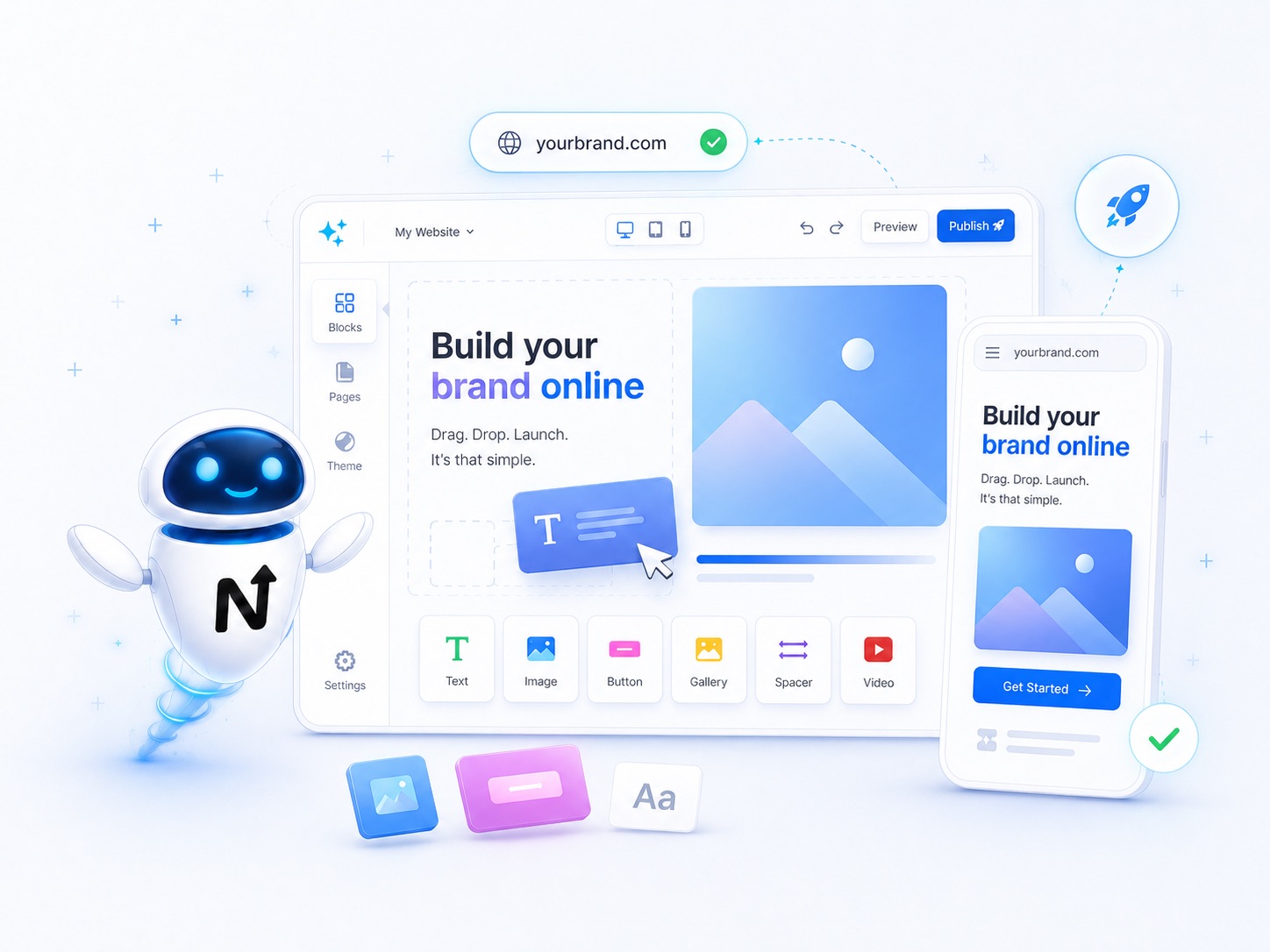
Website builders
AI website builders with drag-and-drop editing turn a simple prompt into a live, mobile-ready brand site in minutes - no developer required.
Build a website
Professional email
you@yourbrand.com on enterprise-grade email, set up the moment you own the domain. Calendar, drive and meetings included.
Set up emailFrequently Asked Questions
Start by deciding which kind of distinctiveness fits your brand, then generate widely within it. You can coin a brand-new word, blend two words or roots into a compound, respell a familiar word, borrow a real word from outside your category, build an acronym with a distinctive expansion, or choose an evocative word for the feeling it carries. The styles in this guide are the main routes, and each one shows real brands that took it. The most important habit is to generate far more options than you need and then narrow ruthlessly, because the first idea is rarely the most distinctive one, and range is what surfaces a name no one else has.
The three overlap but optimize for different things. A catchy name is built for instant recall, a creative name is built on an imaginative leap such as wordplay or invention, and a unique name is built on singularity and ownership: it is the only one of its kind, no competitor shares it, and it can be owned cleanly across a trademark, an exact domain, and matching handles. A name can be catchy and still be shared with rivals, and it can be creative and still be impossible to own. When you are naming for uniqueness, the test you keep returning to is whether the name is genuinely one of a kind and fully yours.
Verify it rather than trusting how it feels. Search the name and see who else appears, especially in your own category, then check whether the exact domain is open and whether the name or something close to it is already registered as a trademark. Look at the major social platforms to see if the handles are free. A name that returns almost nothing across all of those is genuinely yours to own, while a name that turns up several existing businesses is shared, no matter how fresh it sounded at first. The point of a unique name is that every search resolves to you, so do that search before you commit.
You have a few good options, and the right one depends on how attached you are to the exact word. You can lean into a coined or respelled variant, since invented and modified names are far more likely to have an exact match open, which is one of the quiet advantages of distinctive naming. You can choose a relevant alternative extension that genuinely fits your audience and category, so the address still reads as one deliberate, ownable idea. Or, if the exact word truly is the brand, you can consider acquiring a premium domain that someone already holds. What is usually worth avoiding is padding the domain with filler words or hyphens, because that reintroduces the confusion the unique name was meant to remove.
They are the most reliably ownable, but not the only route to a unique name. A coined word has no prior owner, so it is almost always clear for a trademark and an exact domain, which is why so many distinctive brands are built on invented words. That said, a blended compound, a thoughtful respelling, an unexpected real word, or a well-chosen evocative term can be just as distinctive, as long as no competitor shares it and you can own it cleanly. The best choice depends on the feeling you want and how easily customers will say and spell the result, not on invention alone.
Yes, when you borrow a word from outside your category rather than the obvious term inside it. A real word becomes distinctive through the gap between its usual meaning and your unexpected use of it, which is why a material, an element, or an ordinary object can make a memorable brand in software, furniture, or food. The catch is ownership and clarity: common words often have taken domains, and a word that merely describes what you sell is shared by definition. A unique real-word name is one that is both unexpected for your category and still ownable as an exact match.
A distinctive name is worth protecting, and coined and respelled names are usually the easiest to defend because they are unlikely to clash with existing marks. Securing a trademark is part of what turns a unique-feeling name into a genuinely defensible one, since it stops competitors from using the name or something confusingly close. It is wise to check trademark availability early, before you commit, and to consider registering once you settle, because the value of a unique name comes precisely from being the only business entitled to use it. Specific trademark decisions are worth discussing with a qualified professional.
A name does not directly change your search rankings, but a distinctive, ownable name strengthens the indirect signals that matter over time. Because a one-of-a-kind name is unambiguous, people who search it find you rather than a competitor, which lifts your branded search results and your click-through rate. It is more quotable and easier to attribute to a single business, so it tends to earn more links and mentions, and it drives more direct, return visits because people remember exactly where they went. A generic or shared name works against all of those signals by scattering attention across look-alikes.
Yes, and many of the most established companies in finance, healthcare, and industry are built on coined words, blends, and acronyms rather than plain descriptors. Distinctiveness and seriousness are not opposites: a name can feel substantial and credible while still being one of a kind, and the examples throughout this guide span industries where trust is essential. What matters is matching the feeling of the name to the expectations of your audience, so the distinctiveness reads as confidence rather than novelty for its own sake.
They can, but the same originality that makes a name powerful can hide an awkward or unfortunate meaning in another language. A coined word is often the safest for international ambitions because it carries less baggage, while a real word or an evocative term should be checked with native speakers in the markets you plan to enter. The goal is a name that stays distinctive, sayable, and inoffensive everywhere it will appear, so a quick check before you commit can save a costly rename later.
The smartest next step
The fastest way to land on a name no one else can claim is to generate a wide range of distinctive options and check what you can actually own, all in one place. The free, unlimited Unique Business Name Generator uses advanced artificial intelligence and proprietary algorithms to produce original, ownable ideas across every style in this guide, with advanced filters to steer toward coined words, blends, respellings, real words, acronyms, or evocative names. As you browse, it checks exact domains and social handles instantly, shows logo-style previews so you can see each name as a brand, and lets you shortlist, rank, and share your favorites while it learns your preferences. When you find the one, you can claim the name and its domain fast, before anyone else does.
If you want a name that is not just distinctive but already backed by a clean, matching domain, explore the NextBrand high-impact domains collection in the Strategic Domain Marketplace, where every address is a single, ownable idea ready to become a brand.
Ready to find your name?
Pick your path and start exploring.
Related NextBrand Links