
One Word BusinessName Ideas
How to name an one word business -The Complete Guide
Explore one word business name ideas with real brand examples, six naming styles, domain strategy, and a shortlist process to land on a single word you own.
A long-form guide to finding a one-word business name, with real brand examples, domain strategy, and practical patterns you can use to land on a single-word name that is easy to own, easy to remember, and built to carry your whole brand.
A one-word business name is one of the most powerful assets a brand can own. A single word is the cleanest thing a business can stand behind: one word to say, one word to remember, one word to search for, one word to put on a logo, a sign, an app icon, and a social handle. A one-word name reads as a single, confident unit rather than a phrase to parse, and that singularity is exactly what makes it easy to recall, easy to repeat, and hard to confuse with anything else. The brands that lodge themselves most firmly in memory, Apple-style, Nike-style, are almost always the ones that reduced their identity to a single word and then made that word entirely their own.
Here is the distinction worth being clear about from the start: a one-word name is about singularity, not length. A one-word name does not have to be short. "Rippling" and "Qualtrics" are single words, and neither is brief. What unites one-word names is not how few letters they use but that they are a single, unbroken token with no spaces, no second word, and nothing for the eye or ear to break apart. That is a different goal from simply being short, and it opens up more room than you might expect: a one-word name can be a coined word, a compound fused into a single solid word, a respelled word, an everyday word, a set of initials, or an evocative word, as long as the result reads and is owned as one word.
This guide is built for anyone who wants a one-word name for their business, in any field. Whether you are naming a startup, a product, a shop, an app, a service, or a full company, the same principles of single-word naming apply. You want a name that reads as one confident unit, that people can say in a single breath and remember as a single thing, and that you can own cleanly as a domain, a handle, and a trademark. Because being one word is a quality rather than an industry, this guide draws its examples from across the business world, choosing brands that are genuinely one word and breaking down exactly how each one makes a single word carry an entire brand. The point is the move, not the sector each example happens to occupy.
Throughout this guide you will see real brand examples chosen for one reason: they are a single word. Some are short coined words. Some are two words fused into one solid word. Some are respelled words. Some are everyday words used in unexpected ways. What they have in common is that each is one unbroken token that the brand owns completely, which is exactly what you are aiming for. Studying the specific move behind each one, the coined word, the fused compound, the respelling, the single vivid term, is one of the fastest ways to learn how to make your own name work as one word.
By the end, you will have a clear way to evaluate your own ideas as one-word names, a list of naming styles to work through, a realistic view of how to choose a domain for a single word, and a shortlist process for locking in the winner.
At a Glance
A strong one-word business name usually sits at the intersection of three qualities, which together are what make a single-word name worth pursuing.
• Clean ownership.
A single word is the most ownable kind of name there is. One word, with no second word to share or qualify, is the simplest thing to claim as a domain, a social handle, and a trademark, and the simplest thing to defend once you have it. When a brand owns a single word outright, competitors cannot easily crowd in beside it, and the word becomes shorthand for the business in a way a multi-word phrase rarely does. This is the core advantage of a one-word name: it gives the brand a single, ownable thing to be known by.
• Single-unit recognition.
A one-word name is processed as one thing, said in one breath, and remembered as a single unit. There is no phrase to assemble, no order of words to get right, and no risk of someone remembering half the name. That makes a single word easier to recall correctly, easier to pass along by word of mouth without distortion, and easier to type from memory. Where a multi-word name can be misremembered, reordered, or shortened, a one-word name arrives and stays whole.
• Confidence and clarity.
A one-word name reads as the mark of a brand that knows exactly what it is. A single word feels self-assured, focused, and established, while a long descriptive phrase can feel tentative or still-in-progress. That impression of confidence is part of what a one-word name communicates before a customer learns anything else, and it is one of the reasons so many brands work hard to reduce their identity to a single word.
The strongest one-word names pass all three. They are cleanly ownable, recognized as a single unit, and confident in tone. The challenge, which this guide returns to throughout, is that a single word has to carry the entire brand on its own, and the most desirable single words, especially common dictionary words, are also the most contested. Most of this guide walks through how to get a name that is genuinely one word and actually ownable.
Should your domain name match your one word business name?
Yes, and for a one-word name the match is especially important, because a single word is exactly what people will type. The whole advantage of a one-word name is that it is one clean thing to remember and search for, and the first place that memory goes is the address bar. A one-word name that people recall perfectly is wasted if the domain does not match the single word they remember, because they end up on a parked page, a competitor, or a search results list instead of on your site. The cleaner and more memorable the single word, the more direct, type-it-from-memory traffic it generates, and the more it matters that the domain delivers those people exactly where they expect to land.
There is a specific tension with one-word names worth naming directly. A single word is the most memorable and ownable kind of name, but its exact-match domain, particularly when the word is a common dictionary word, is also the most likely to be already taken, precisely because single words are so valuable. This is the central challenge of one-word naming: the very singularity that makes a name easy to remember also makes its exact domain hard to secure. So the domain question is not an afterthought for a one-word name; it is part of choosing the word in the first place. A single word you cannot pair with a usable domain is a one-word name working against you.
The goal is a domain where the one word and the URL are the same, or as close as possible, so that the single word a customer remembers leads straight to you. If the exact .com is out of reach, which is common for one-word names built from real words, the next best options are a coined or respelled single word whose exact match you can still own, or a strong alternative extension that fits the brand, both of which this guide covers later. What matters most is that the one word people remember and the address they type are the same thing.
What you want to avoid is the trap of a strong one-word name paired with a domain that breaks the single word apart. If the only address available adds a hyphen, a number, or an extra word, you lose the very thing that made the one-word name valuable, because a customer who remembers the clean single word will type the clean single word and not the padded version. A one-word name on a multi-word or hyphenated domain is a leaky bucket: the name does its job of lodging in memory as one word, and then the domain fails to capture the visit. In a brand built on a single, ownable word, that mismatch is costly.
The short answer: choose a one-word name whose domain you can actually own, so the single word that sticks in customers' heads leads them straight to your door. If the exact match for a real word is gone, which it often is, a coined or respelled single word you can own cleanly will almost always serve the brand better than a real word you can only pair with a compromised address.
Why a strong one word business name and domain are worth the effort
It is tempting to treat a one-word name as a stylistic flourish rather than a strategic choice. In practice, a single word and a matching domain together drive how cleanly people remember the business, how easily they find it, how well the name holds together as it travels, and how confidently the brand presents itself everywhere it appears, all of which show up directly in how much the business has to spend to grow.
Clean memorability and presence.
A single word people can hold in memory as one unit, paired with a matching domain, means anyone who hears about the business can recall it whole and find it in seconds. The businesses that stick fastest are very often the ones that reduced their name to a single word and secured the matching address, so there is nothing to misremember and nothing to mistype.
Travels without distortion.
A multi-word name can be reordered, shortened, or half-remembered as it passes from person to person, but a single word arrives intact. When the name is one word and the domain matches it, word of mouth carries the exact thing a new customer needs to find you, with none of the drift that multi-word names suffer.
Fits everywhere the brand lives.
A logo, an app icon, a social avatar, a sign, a browser tab, a business card: all of these are cleaner with a single word than with a phrase. A one-word name presents as a single confident mark in any space, while a multi-word name has to be shrunk, stacked, or abbreviated to fit, losing coherence along the way. The single word gives the brand a consistent, unmistakable presence across every surface.
Signals confidence and focus.
A brand that stands behind a single word reads as sure of itself and clear about what it is, while a long descriptive name can feel tentative or unfinished. That impression of confidence is part of what a one-word name communicates before a customer knows anything else about the business, and it is hard to manufacture any other way.
Lasting competitive positioning.
In a crowded market where many businesses compete for the same attention, owning a single word outright is one of the strongest forms of differentiation there is. A business that has reduced its identity to one ownable word, and secured the matching domain, can win recognition and recall against equivalent competitors simply because its name is a single clean thing customers can hold onto and find.
Growth that costs less to earn.
When the name is one word, easy to remember whole, and clean to type, the business does not have to spend as hard on advertising to be remembered and found. A one-word brand gets a compounding return on every impression, because the single word does part of the marketing on its own, while businesses with long, forgettable, multi-word names pay over and over to achieve the recognition a single ownable word delivers more efficiently.
What matters most when naming an one word business
It reads and is owned as one word
The defining quality is that the name is a single unbroken token, with no space, no second word, and nothing the eye breaks apart. A compound counts as one word only when it is fused into a single solid form. Before anything else, confirm the name truly functions as one word in writing, in speech, and in the domain.
Sayability in a single breath
A one-word name should be easy and natural to say as a single unit. Even a longer single word works when it has a clear rhythm and an obvious pronunciation. Say every candidate aloud and keep the ones that come out cleanly as one word, without a stumble in the middle.
Spellability from sound
A single word gets typed from memory after being heard, so it has to be spellable from its sound. A coined or respelled one-word name that people cannot reproduce after hearing it loses much of its advantage the moment someone tries to find it. Test by saying the name and asking people to type the single word they hear.
A clear meaning, image, or sound
The strongest one-word names give memory something to hold: a clear meaning, a vivid image, or a distinctive sound. Because the whole brand rides on a single word, that word benefits from carrying an association rather than being an arbitrary string. A one-word name with a recognizable root or a vivid feel is far stickier than a single word that means nothing.
Distinctiveness as a single word
A one-word name has to stand on its own without a second word to add context, so it needs to be distinctive enough to be unmistakable. The strongest single-word names are either coined to be unique or are real words used in an unexpected category, so the one word does not blend in with similar names. Check that the single word is distinctive, not generic, on its own.
Ownability
This is the defining challenge of one-word naming. A single word, especially a common dictionary word, is the most contested kind of name there is, as a domain, a trademark, and a handle. A one-word name is only an asset if you can actually own that single word across the surfaces that matter, so ownability has to be part of the choice from the start, not a check at the end. A single word you cannot own cleanly will fight you everywhere.
Room to grow
A one-word name should not pin the business to one narrow offering. The best single words tend to be flexible, suggesting a sound or a feeling rather than a specific product, so the brand can grow and evolve without outgrowing its one word. A single word with a little breadth carries a business much further than a single word locked to one thing.
Availability across the surfaces that matter
Because single words are so contested, it is essential to confirm that the one word is available as a domain and as social handles together, along with a quick search and trademark check, before committing. A one-word name whose domain is taken and whose handles belong to someone else will scatter your audience, so confirm you can claim the single word everywhere before falling in love with it.
One word business name ideas by naming style
Six proven approaches to naming your one word business, each with real examples and practical guidance.
Brandable one word business name ideas
Brandable names are invented, coined, or distinctively repurposed words that carry little direct description but function as the whole brand. They are a natural home for one-word naming, because a coined word is a single word by design, built from scratch to be unique and ownable. A coined single word starts with no prior associations, which means the business gets to define the word entirely on its own terms, and it tends to be far easier to own as an exact-match domain than any real word.
Five real examples worth studying
- •Vercel at vercel.com:
is the platform company for building and deploying web applications. The coined single word has a clean, modern, technical sound with no dictionary meaning, which let the company define it from scratch. Because the word is invented, the exact-match .com was ownable outright, giving the single word and the domain a perfect match. The coined word has anchored Vercel's identity in web development, demonstrating how an invented single word can be both distinctive and cleanly ownable in a way a real word rarely is.
- •Klaviyo at klaviyo.com:
is the marketing-automation company. The coined single word is distinctive and abstract, with a sound that feels modern without describing the product, so the business defined its meaning entirely through what it does. Being invented, the single word secured its exact-match domain cleanly. The coined word has anchored Klaviyo's identity in marketing software, demonstrating how a unique invented word gives a brand a single ownable name with no competing associations to fight.
- •Braze at braze.com:
is the customer-engagement platform. The coined single word is short, sharp, and modern, evoking a faint sense of warmth and energy without being a real word, which gave the company full freedom to shape its meaning. The invented word held its exact-match .com cleanly. The coined word has anchored Braze's identity in engagement software, demonstrating how a single coined word can carry a subtle feeling while remaining entirely the brand's own.
- •Algolia at algolia.com:
is the search-and-discovery technology company. The coined single word is distinctive and slightly technical in sound, with no literal meaning, so the brand built the association from nothing. As an invented word, it owned its exact-match domain without compromise. The coined word has anchored Algolia's identity in search technology, demonstrating how an invented single word can sound purpose-built for a category while remaining unique and ownable.
- •Wistia at wistia.com:
is the video-marketing-and-hosting platform. The coined single word has a soft, distinctive, slightly whimsical sound with no dictionary meaning, which let the company define it entirely through what it does. Because the word is invented, the exact-match .com was ownable outright, so the single word people remember and the address they type are identical. The coined word has anchored Wistia's identity in video software, demonstrating how an invented single word can be both distinctive and cleanly ownable on its exact-match domain in a way a real word rarely is.
Brandable names are the most reliable route to a one-word name you can fully own, because an invented single word is unique by design and its exact-match domain is far more likely to be available than any real word. The trade-off is that a coined word starts with no meaning and has to earn its associations through the business itself. They work best when you want a single word that is unmistakably yours from the first day.
Compound one word business name ideas
Compound names fuse two words into a single brand word. They are one of the most useful one-word strategies of all, because when two words are blended or telescoped into one solid form, the result reads and functions as a single new word rather than as two words sitting side by side. The strongest fused compounds do more than drop the space between two words: they overlap, shorten, or merge the parts so the name becomes a distinctive single token that feels coined and ownable in its own right. The move is to take two meaningful words or ideas and fuse them into one unbroken word, which builds in a hint of meaning while giving the brand a single, distinctive word to own.
Five real examples worth studying
- •Instagram at instagram.com:
is the photo-and-video-sharing platform. The single word blends "instant" and "telegram," merging two ideas, instant capture and sending a message, into one new word that reads as a single brand rather than two words placed side by side. Because the parts overlap and fuse, the result is a distinctive token that feels coined and purposeful, and it owns its exact-match .com cleanly. The fused compound has anchored Instagram's identity in social sharing, demonstrating how blending two words into a single new token produces a one-word name that is distinctive, ownable, and memorable in its own right.
- •Walmart at walmart.com:
is the retail giant. The single word fuses "Wal," cut from founder Sam Walton's name, with "mart," shortened from market, merging two trimmed pieces into one solid word rather than two complete words placed side by side. Neither piece stands alone as a full word, so the result reads as a single distinctive brand, not as a phrase. The fused compound has anchored Walmart's identity in retail, demonstrating how cutting two words down to their essential parts and merging them can produce a single ownable name that reads as one word.
- •Comcast at comcast.com:
is the media-and-telecommunications company. The single word fuses "com," cut from communications, with "cast," cut from broadcast, merging two trimmed pieces into one solid word where neither part stands alone as a complete word. The cut-and-fuse is what makes it read as a single distinctive brand rather than two words written together. The fused compound has anchored Comcast's identity in media and telecom, demonstrating how trimming two words to short pieces and merging them produces a single ownable name that reads as one word.
- •Genentech at genentech.com:
is the biotechnology company. The single word fuses trimmed pieces of "genetic," "engineering," and "technology," merging three cut fragments, "gen," "en," and "tech," into one solid word, none of which stands alone as a complete word. The heavy trimming is exactly what turns three long words into a single distinctive, pronounceable brand rather than a phrase. The fused compound has anchored Genentech's identity in biotechnology, demonstrating how cutting several words down to short fragments and fusing them can compress a whole idea into one ownable word.
- •Duracell at duracell.com:
is the battery brand. The single word fuses "durable" and "cell," shortening and merging the two into one solid word that signals long-lasting power while reading as a single distinctive name, not as two words written together. The blend builds the core promise, durability, right into a token that feels coined and ownable, and the exact-match .com matches it exactly. The fused compound has anchored Duracell's identity in batteries, demonstrating how merging a descriptive word and a product word into one new token can produce a one-word name that carries its promise and stands as a distinctive single brand.
Compound names are one of the most practical ways to land a one-word name, because blending, trimming, or telescoping meaningful words and roots into a single solid form can produce a name that feels coined, ownable, and still lightly meaningful. The key is that the result should read as one distinctive brand word, not as two complete words simply placed side by side. They work best when you want a single word that carries a hint of meaning while still feeling like a new, ownable brand name.
Alt Spelling one word business name ideas
Alt spelling names intentionally modify standard spelling to create a distinctive, ownable single word. They are a powerful one-word strategy because reshaping a familiar word, dropping a letter, swapping a vowel, adding a suffix, turns a word that would be impossible to own into a single word that is uniquely the brand's own. The art is keeping the respelled single word instantly recognizable so people can still say it and find it.
Five real examples worth studying
- •Feedly at feedly.com:
is the news-and-content-reading platform. The single word is built by adding "ly" to "feed," reshaping a common word into a distinctive, ownable single token that still clearly signals a feed of content. The modification is light enough that the meaning stays obvious while the word becomes unique. The styled single word has anchored Feedly's identity in content reading, demonstrating how a small respelling can turn an unownable common word into a single distinctive name.
- •Sezzle at sezzle.com:
is the buy-now-pay-later payments company. The single word is a respelled, doubled-consonant take that echoes a light, easy "sizzle" sound while being entirely invented as spelled, giving the brand an energetic, ownable single token. The respelling keeps a pleasant sound while making the word unmistakably the brand's own. The styled single word has anchored Sezzle's identity in payments, demonstrating how a phonetic respelling can produce a single word that sounds familiar yet is wholly ownable.
- •Qualtrics at qualtrics.com:
is the experience-management software company. The single word reshapes and compresses the idea of "quality" and "metrics" into one distinctive, ownable token with a technical, precise feel. The modification produces a single word that hints at measurement while being unique to the brand. The styled single word has anchored Qualtrics's identity in experience management, demonstrating how reshaping familiar roots into one compressed word creates a single name that suggests its purpose and stays ownable.
- •Klook at klook.com:
is the travel-activities and experiences platform. The single word is a playful respelling that plays on "look," reshaped into a short, distinctive, ownable single token with a friendly, global-friendly sound. The light respelling keeps the word easy to say while making it unique. The styled single word has anchored Klook's identity in travel experiences, demonstrating how a small respelling of a common word can yield a single name that is approachable and entirely ownable.
- •Qonto at qonto.com:
is the business-banking platform. The single word reshapes the financial root behind "account" into a distinctive, ownable single token with a clean, modern, European feel. The respelling turns a category-adjacent idea into a single unique word. The styled single word has anchored Qonto's identity in business banking, demonstrating how respelling a familiar root produces a single name that nods to the category while remaining the brand's own.
Alt spelling is a powerful one-word strategy when the respelling keeps a single word recognizable while making it ownable, which matters because plain real words are nearly impossible to claim as exact-match domains. The risk is overdoing it: a respelling so aggressive that people cannot spell or find the single word will cost the business the recognition it was reaching for, so the strongest examples keep the change light and the sound clear.
Real Word one word business name ideas
Real word names use a single common word as the brand. They are the most direct one-word strategy of all, because a single dictionary word is, by definition, one word, and it arrives with instant meaning and recognition. The strength comes from choosing a single word and pairing it with an unexpected category, so the one word is both instantly understood and distinctive as a brand. The catch is ownership: the exact-match domain for a single common word is usually taken, so this style often pairs a real word with a clean domain variant.
Five real examples worth studying
- •Stripe at stripe.com:
is the payments-and-financial-infrastructure company. The single real word "stripe" is a plain, familiar dictionary word used directly as the brand, with a clean, modern sound and an obvious spelling, and its exact-match .com matches the single word people remember letter for letter. The single word arrives with instant recognition and easy recall that a coined word would have to build from nothing. The real word has anchored Stripe's identity in payments, demonstrating how a single everyday word, owned cleanly on its exact-match domain, can give a brand an instantly familiar one-word name.
- •Sentry at sentry.io:
is the application-monitoring company. The single real word "sentry," a guard who watches and warns, maps directly onto software that watches an application and alerts developers to problems, all in one word. The single word communicates the product's role at a glance. The real word has anchored Sentry's identity in monitoring software, demonstrating how a single familiar word can convey exactly what a product does in one instantly understood term.
- •Pilot at pilot.com:
is the bookkeeping-and-finance company for businesses. The single real word "pilot," one who steers and guides, frames the service as the steady hand guiding a company's finances, communicated in one word. The single word lends a sense of expertise and direction with no explanation needed. The real word has anchored Pilot's identity in financial services, demonstrating how a single everyday word with a guiding connotation can give a service a clear, reassuring one-word name.
- •Rippling at rippling.com:
is the workforce-management platform for HR and IT. The single real word "rippling" evokes a change that spreads outward across a system, which fits a platform where one update flows across payroll, devices, and access, expressed in one word. The single word suggests connected, cascading effects in a single term. The real word has anchored Rippling's identity in workforce management, demonstrating how a single descriptive word can capture a product's core behavior in one evocative term.
- •Lattice at lattice.com:
is the people-management platform. The single real word "lattice" evokes a supporting structure, an open grid that holds things together and lets them grow, which fits a platform built around supporting employee growth, all in one word. The single word carries a sense of structure and support without a phrase. The real word has anchored Lattice's identity in people management, demonstrating how a single structural word can give a brand a one-word name that quietly communicates its purpose.
Real word names are the most direct path to a one-word name, since a single dictionary word is instantly meaningful and recognizable, and they work best when that word is paired with an unexpected category and a domain you can actually secure even if the bare single-word match is taken. The challenge is almost always ownability, since the best single words are claimed, which is why many real-word brands pair their single word with a clean domain variant rather than holding out for an exact match that may never be available.
Acronym one word business name ideas
Acronym names compress a longer name into a single set of initials. An acronym is, by its nature, a single token, which makes it a kind of one-word name, but being one word is the easy part. Acronyms become strong names mainly through long, consistent use that builds recognition, or when the letters happen to read or sound like a word. The examples below all read as a single mark, but most earned their recognition over many years rather than by being inherently memorable.
Five real examples worth studying
- •CNN at cnn.com:
is the news-media brand. The single acronym, from Cable News Network, reads as one compact mark, and decades of continuous use have made the three letters instantly recognizable worldwide. The singularity is built in; the recognition was built over time. The acronym has anchored CNN's identity in news media, demonstrating how a three-letter mark can become a globally familiar single name through sustained use, a recognition a brand-new business would have to earn from scratch.
- •BP at bp.com:
is the global energy company. The single acronym compresses a long corporate history into a two-letter mark that functions as a single, sturdy name. The two letters read as one unit, and long presence in the industry made them widely recognized. The acronym has anchored BP's identity in energy, demonstrating how a two-letter mark can serve as a complete single name, with the recognition built over decades rather than designed in.
- •UBS at ubs.com:
is the global banking and financial-services firm. The single acronym reads as one compact mark and has come to stand for the institution through long, consistent use across global markets. The three letters function as a single name with no expansion needed in everyday use. The acronym has anchored UBS's identity in banking, demonstrating how a set of initials can operate as a single recognized name once years of use have built the association.
- •EY at ey.com:
is the professional-services firm. The single acronym, a two-letter mark drawn from the firm's longer name, reads as one clean unit and is widely recognized across business and finance. The brevity of the mark is matched by the recognition built through decades of presence. The acronym has anchored EY's identity in professional services, demonstrating how a two-letter mark can stand as a complete single name when long use has made it familiar.
- •USPS at usps.com:
is the postal service. The single acronym, from United States Postal Service, reads as one functional mark that stands in for a long official name in everyday use. The four letters operate as a single name, recognized through ubiquity rather than through any inherent memorability. The acronym has anchored USPS's identity in mail and logistics, demonstrating how a longer set of initials can still function as a single name when constant use has made it instantly understood.
An acronym is automatically a single token, which makes it one word in form, but being one word is the easy part; the hard part is recognition. The acronyms above read as single marks, but nearly all of them earned their familiarity through decades of consistent use, an advantage a brand-new business does not have. The cross-page standout worth knowing is MS.now, the new name of the news network formerly known as MSNBC, rebranded as part of the Versant spin-off from NBCUniversal. It shows a modern move that is relevant here: pairing recognizable initials with the present-tense .now extension to create a single, current mark. For a brand-new business chasing a one-word name, leading with a set of unfamiliar initials is usually a mistake, because the letters start with none of the recognition that the established acronyms above built over years. If you want a single-word name that is memorable from day one, a coined word, a fused compound, or a single real word will almost always outperform invented initials.
Evocative one word business name ideas
Evocative names create a feeling, an image, or an association without literally describing what the business does. They are a strong source of one-word names because a single evocative word can carry an entire mood or image on its own, giving a brand an emotional identity in one term. The move is to choose a single word whose feeling or image does the work that a longer, descriptive phrase would otherwise need, and to let that one word stand for the experience.
Five real examples worth studying
- •Spindrift at spindrift.com:
is the sparkling-water brand made with real squeezed fruit. The single evocative word "spindrift," the fine sea spray that blows off the crest of a wave, conjures freshness, mist, and the ocean, an image that suits a bright, effervescent drink without describing a flavor, and its exact-match .com matches the single word exactly. The one word carries a whole sensory feeling of lightness and fresh air. The evocative single word has anchored Spindrift's identity in beverages, demonstrating how a single word with a vivid natural image, owned cleanly on its exact-match domain, can give a brand a fresh, distinctive one-word name with no description required.
- •Tonal at tonal.com:
is the connected home-fitness brand. The single evocative word "tonal" suggests tone, resonance, and muscle tone all at once, a fitting feeling for a strength-training product, captured in one word. The single word carries an association with the body and with quality without spelling anything out. The evocative single word has anchored Tonal's identity in fitness, demonstrating how a single word with a layered connotation can give a brand a distinctive one-word name that hints at the experience.
- •Lume at lume.com:
is the personal-care brand known for whole-body deodorant. The single evocative word, suggesting light and a soft glow, lends the brand a clean, fresh, confident feeling with no literal product description. The one word communicates a mood rather than an ingredient list. The evocative single word has anchored Lume's identity in personal care, demonstrating how a single word that evokes light can give a product a fresh, modern one-word identity.
- •Pura at pura.com:
is the smart home-fragrance brand. The single evocative word, suggesting purity and clean simplicity, gives the brand a calm, fresh feeling that fits a scent product without describing a device or a fragrance. The one word carries an association of cleanliness in a single term. The evocative single word has anchored Pura's identity in home fragrance, demonstrating how a single word that evokes purity can give a brand a serene, ownable one-word name.
- •Tula at tula.com:
is the skincare brand. The single evocative word, suggesting balance and calm, gives the brand a gentle, wellness-oriented feeling that fits skincare without naming an ingredient or a product. The one word communicates a sense of equilibrium on its own. The evocative single word has anchored Tula's identity in skincare, demonstrating how a single word that evokes balance can give a brand a soft, distinctive one-word name rooted in feeling rather than description.
Evocative names suit one-word naming well because a single word can carry a vivid feeling or image that a descriptive phrase would need many words to convey, and they leave the business room to grow. The main consideration is balance: a single evocative word usually works best when there is enough context nearby, in a tagline, a description, or the product itself, for customers to connect the feeling to what the business offers, so the one word resonates rather than puzzles.
Domain strategy: standard registration vs. premium domains
Once you have a one-word name in mind, the next real decision is how you acquire the domain that will carry it, and for single-word names this decision is sharper than for almost any other kind, because single-word domains, especially real-word ones, are the most contested of all. The choice comes down to two paths: registering a clean standard domain at registrar prices, or acquiring a premium domain that has already been claimed and is held as a brand-grade asset. Each path has a different cost, a different timeline, and a different long-term effect on a one-word brand, where the whole value of the name depends on a clean, matching domain that customers can type from memory.
When a standard registration is enough
A standard registration is the right call when your one-word name is distinctive enough that the exact match is still freely registerable, when you are launching lean and want to keep costs near zero, or when your business will grow mainly through word of mouth, social media, and direct recall rather than broad paid promotion. A coined single word, a tightly fused compound, or a respelled single word very often still has its exact match available to register cleanly, which lets the one word lead customers straight to you without compromise. This is how most new businesses launch, and it is a sensible choice when the single word itself is doing the marketing and the budget is better spent elsewhere.
When a premium domain is the smarter move
A premium domain is the smarter move when your ideal one-word name is a common dictionary word whose exact-match domain is already owned, which is extremely common precisely because single real words are the most sought-after domains on the internet. It is also the smarter move when the business is built to compete for attention at scale, or when you want the cleanest possible version of a single word so that every person who remembers it lands exactly where they should. Premium domains tend to be clean single words, free of the hyphens or extra words that would otherwise break the single word apart. For a business whose entire strategy depends on a single ownable word, owning the clean version of that word can be worth a great deal, because a one-word name only pays off if the domain captures it.
The tradeoffs in practice
The decision affects almost every dimension of how a one-word brand performs. Trust rises with a clean, single-word, exact-match domain, because customers read a clean one-word URL as the mark of a real, established business. Memorability, the entire reason to choose a one-word name, is protected by a clean matching domain and undermined by a padded one, since a customer who remembers the single word will type the single word. Brand strength compounds over time, and a clean one-word domain lets all of the recognition accumulate around a single word.
Discoverability
in search and direct typing strongly favors clean, exact-match single-word domains. Direct traffic, which a memorable single word generates in abundance through recall, all depends on the domain matching the one word customers remember. Long-term positioning is shaped by whether the business owns the clean single word or a hyphenated, padded variant. Conversion potential from a first-time visitor is higher when the URL is as clean and singular as the name. For a one-word brand, the domain is the bucket that catches everything the single word earns, and a leaky bucket wastes it.
Practical guidance for a one-word brand.
The right call depends on where the business sits on the ambition curve and on how contested the exact match is, which for single real words is often very contested. A small or local business with a distinctive coined single word can frequently register the exact match cleanly and build a strong brand on a standard registration. A business whose ideal name is a single common word, or one built to compete for attention at scale, often benefits from investing in a premium domain, because the cost is one-time and it secures the clean, matching single word that makes a one-word name valuable in the first place. The cost of a premium domain is a single investment in capturing recall; the cost of a compromised domain is a permanent leak in the very memorability your single word was designed to create.
How to choose the right domain extension
Domain extensions are not interchangeable, and for one-word names the extension choice matters even more, because the exact-match single-word .com, especially for a real word, is so often already taken that the right alternative extension can be the difference between owning your single word cleanly and breaking it apart with a hyphen or an extra word. Each extension carries signals that customers pick up subconsciously, and the right choice depends on the brand and on what is actually available as a single word. The .com extension remains the strongest default for businesses that want maximum reach, recognition, and trust across every audience, including customers who still type .com by reflex. Alternative extensions each carry their own meaning, and for a one-word name a clean alternative extension can easily outperform a padded or hyphenated .com. Below we walk through the extensions that matter most, with both real .com pairings worth studying and strong brand-matching alternative TLD pairings worth studying that show how different extensions can keep a name to a single word.
Brand-matching .com pairings worth studying
The most common strategy for a one-word brand is a single-word .com that matches the name exactly, so that the memorable single word and the typed address are identical. This pattern is the safest, most trusted, and most discoverable option for the vast majority of businesses, and the examples below, all single-word .com pairings, show how clean it looks when one word secures its exact match.
• Instagram at instagram.com:
demonstrates how a fused single-word blend can secure the clean exact-match .com that reads as one word with no break. The single-word URL has anchored Instagram's identity in social sharing, showing how a fused one-word name carries cleanly into the address.
• Stripe at stripe.com:
demonstrates how a single real word can hold a clean exact-match .com that reads exactly as the brand is spoken. The single-word URL has anchored Stripe's identity in payments, showing how one memorable word supports a brand across every touchpoint.
• Klaviyo at klaviyo.com:
demonstrates how a coined single word can secure the clean exact-match .com that an invented word makes ownable. The single-word URL reads exactly as the brand is spoken and has anchored Klaviyo's identity in marketing software.
• Tonal at tonal.com:
demonstrates how a single evocative word can hold a clean exact-match .com that reads as one confident word. The single-word URL has anchored Tonal's identity in fitness, showing how one evocative word carries a brand cleanly into its address.
• Spinova at Spinova.com:
captures a fused blend, "spin" and "nova," merged into a single coined word on a clean exact-match .com. The word "spin" suggests motion and energy while "nova" suggests a bright new star, and the two telescope into one distinctive token that reads as a single brand rather than two words side by side. For an energetic tech venture, a fitness or studio brand, a dynamic consumer product, or any business that wants a modern, motion-forward single word, Spinova.com shows how blending two short ideas can produce a coined name that lands cleanly on a single-word .com.
Brand-matching alternative TLD pairings worth studying
Alt TLD adoption is growing across every kind of business, and for one-word names it is especially useful, because a clean alternative extension can let a brand own its exact single word when the .com is taken, rather than breaking the word apart with a hyphen or an extra word. The pairings below show how strong brand-matching domain pairings can keep a name to a single word, with .now examples where the present-tense extension pairs cleanly with a single word, alongside a single word on .ai and a single word on .io, showing how the alt TLD landscape extends well beyond any one extension for one-word brands of any kind.
• Clean.ai:
captures a single real word paired with the .ai extension, a pairing that keeps the brand to one word while signaling a modern, intelligent product. "Clean" is a single, instantly meaningful word that evokes simplicity, order, and freshness, and pairing it with .ai keeps the whole address to one word plus a focused extension. For a cleaning-technology brand, an AI tool built around simplicity, a data-hygiene product, or any business that wants a single clear word paired with an intelligent, modern signal, Clean.ai shows how one real word can stand as a complete brand on a purpose-fitting extension. The .ai extension has become a natural home for artificial-intelligence and technology brands, which makes it a grounded choice when a single word needs an alternative to a contested .com, and the pattern shows how a single everyday word on a focused extension can read as a clean, ownable whole.
• BiG.now:
captures a single, ultra-compact real word standing as a complete one-word brand, paired with the present-tense .now extension. The whole identity here is one short word, "Big," which needs nothing else beside it to make its point, and the .now extension keeps the address to that single word plus a present-tense signal. For an ambitious consumer brand, a bold media or commerce venture, a confident lifestyle brand, or any business that wants its entire name to be a single self-assured word, BiG.now shows how one word can carry a brand with nothing else attached. The lesson for a one-word name is that a single strong word, chosen well, does not need a second word to complete it, and the .now extension lets that one word stand on its own as the full address.
• Support.now:
captures a single real word paired with the immediacy of the .now extension, where the word and the extension reinforce each other. "Support" is a single, instantly understood word that names exactly what a service-oriented brand provides, and pairing it with .now adds a sense of help available in the present moment. For a customer-support platform, a help-desk product, a coaching or services business, or any business built around being there for people, Support.now shows how a single functional word can become a complete brand on a present-tense extension. The pairing is on-message: a single word that means help, on an extension that means now, reads as one clear promise, and the pattern shows how a single descriptive word can stand as a whole brand when the extension reinforces its meaning.
• Papaya.now:
captures a single, unexpected real word paired with the .now extension, showing how a one-word name does not have to be literal to work. "Papaya" is a single vivid word that evokes freshness, brightness, and a touch of playfulness, with no inherent tie to any one category, which gives a brand built on it room to define its own meaning. For a food or beverage brand, a wellness or lifestyle business, a bright consumer app, or any business that wants a warm, memorable single word with personality, Papaya.now shows how one unexpected word can become a distinctive complete brand. The pairing demonstrates a key one-word lesson: a single word chosen for its sound and feeling, rather than its literal meaning, can be both memorable and ownable, and the .now extension keeps the whole identity to that one bright word.
• Sentry at sentry.io:
demonstrates how a single real word can use the .io extension to land a clean, on-message address. Sentry, the application-monitoring brand, pairs a single word that means a watchful guard with the .io extension that is native to developer and technical products, keeping the name to one word while signaling its audience. The single word carries the product's meaning, and the .io extension positions it for the developer world without adding a second word. The .io extension suits software, developer tools, and technical products that want a single-word name with a clear technical signal, and the pattern shows how one real word on a fitting extension can produce a clean, ownable, single-word address.
For a one-word brand, the extension is part of keeping the name to a single word. A present-tense extension like .now can pair with a single word to form a complete identity and add immediacy, a focused extension like .ai can pair a single word with a modern, intelligent signal, and a technical extension like .io can position a single word for a developer audience, all while .com remains the broadest default for a business that can secure the clean, single-word match between the name people remember and the address they type.
Shortlist the strongest names
Once you have explored the naming styles above and generated real candidates, the shortlist is where discipline matters most. Most first-time founders settle on the first one-word name that sounds reasonable and miss the chance to find a single word that is both stronger and more ownable. The goal of the shortlist phase is to narrow ten to fifteen candidates to one or two finalists that are genuinely one word, sayable, and available.
Say-it-aloud test.
Say each candidate out loud several times, the way a customer would when recommending it. Does it come out cleanly as one word, in a single breath, without a stumble in the middle? A one-word name that is also smooth to say is the one that travels in conversation, while a single word built from awkward sounds can be harder to say than its length suggests. Favor the single words that are also easy to say.
Hear-it-once test.
Say the name to several people without showing them the spelling, wait a moment, and ask them to repeat it and type it into a search bar. If they can recall the single word and spell it correctly after hearing it once, the one-word name has the memorability and spellability that make singularity pay off. If they forget it or cannot guess the spelling, the single word is not doing its job, so refine toward something clearer.
Ownability check across surfaces.
This is the decisive test for one-word names. Because single words are the most contested names there are, a finalist needs a usable matching domain and available handles in the same moment, plus a clean trademark search. A one-word name whose exact domain is taken and whose handles belong to someone else will scatter the very recall its singularity generates, so confirm you can actually own the single word before falling for it. For one-word names, this is not a final check; it is often the step that decides which candidates survive.
Stand-alone test.
A one-word name has no second word to lean on, so picture the single word entirely by itself, on a logo with nothing beside it. Does it hold up and feel distinctive on its own, or does it feel incomplete without a descriptor? The strongest one-word names are confident alone. Favor the single word that needs nothing beside it.
Growth test.
A one-word name should not pin the business to one narrow offering. Imagine the single word on the business today and on the broader business you might run in a few years. Does the one word still fit, or is it tied too tightly to one product? The best single words suggest a sound or a feeling rather than a narrow description, which lets them carry the brand as it grows.
Gut check.
Trust your gut on one dimension: is this a single word you would be glad to say, type, and put on everything for years? A one-word name is one you and your customers will use constantly, so it should feel clean and confident every time. If a single word is easy to say, easy to own, distinctive on its own, and still feels right after a day of living with it, that is usually the one. If you hesitate or have to explain it, keep looking.
Common mistakes to avoid
Over years of watching businesses launch, grow, and rebrand, a handful of naming mistakes show up again and again, and several work directly against the goal of a strong, ownable one-word name. Avoiding them does not guarantee a great single-word name, but it removes the most common reasons one-word names underperform.
Choosing a single word you cannot own.
This is the most common and most costly one-word mistake. Single words, especially common dictionary words, are the most contested domains and trademarks, so falling for a single word without checking whether you can own it almost guarantees disappointment. Bring the domain, handle, and trademark check to the very front of the process for one-word names, because availability often decides which single words are even possible.
Padding a one-word name onto a multi-word domain.
When the exact single-word domain is taken, it is tempting to keep the one-word name but bolt it onto a hyphenated address or one with an extra word. That breaks the single word apart at the domain, where it matters most. If you cannot own the clean single word, it is often better to choose a different single word, often a coined or respelled one, that you can own intact.
Picking a single word nobody can spell from sound.
A one-word name only pays off if the single word survives the trip from a customer's ear to a search bar. A coined or respelled single word with an unpredictable spelling loses much of its value the moment someone hears it and guesses wrong. Test every one-word candidate by saying it aloud and asking people to type the single word they hear.
Reaching for a generic single word that blends in.
A one-word name has no second word to make it distinctive, so a bland, common single word can disappear among similar names. A single word needs a hook, a vivid meaning, a distinctive sound, or an unexpected category fit, to stand out on its own. Pair singularity with distinctiveness rather than settling for the most obvious available word.
Treating "one word" as the same goal as "short."
A one-word name does not have to be short, and forcing extreme brevity can lead you to a cramped or awkward single word when a slightly longer, smoother single word would serve better. Focus on whether the name is one clean, sayable, ownable word, not on shaving it to the fewest possible letters.
Choosing a single word that boxes the business in.
A single word tied tightly to one narrow product can constrain the business as it grows. The best one-word names suggest a sound or a feeling with room to stretch, rather than locking in a single offering. Favor a single word that can grow with the business.
Forcing a fused compound that reads as two words.
A compound only counts as a one-word name when it fuses cleanly into a single solid form. If the two words sit awkwardly together and the eye keeps splitting them, the result reads as two words, not one. Fuse two short words tightly, and confirm the result genuinely reads as a single word.
Copying the one-word style of a brand you admire.
It is tempting to model a single word on a brand you love, but doing so tends to produce something derivative that rides on another brand's sound and risks drifting too close to it. Study the one-word move, the coined word, the fused compound, the respelling, the single vivid term, and then apply it to build something distinctly your own.
How to get better results from a name generator
A modern AI name generator can surface hundreds of one-word business name candidates in the time it would take to brainstorm a dozen on your own. But getting the best results requires knowing how to input your goals, how to filter the outputs, and how to iterate toward a final shortlist.
Start with specific inputs about the business and the kind of one-word name you want.
The more the tool knows, the sharper the candidates it returns. Tell the generator what your business does, who your audience is, what tone you want, modern, premium, playful, bold, and that you are prioritizing single-word names, including whether you lean toward coined words, fused compounds, respellings, or real words. Vague inputs produce generic outputs. Specific inputs produce single words with the particular character you are after.
Use the advanced filters rather than scrolling through raw lists.
For one-word names filtering is what makes the search manageable. The strongest tools let you constrain by naming style, by length, by initial letter, by domain availability, and by extension preferences. Filtering to single-word results and to available domains is especially valuable here, since being one word and being ownable are the two constraints that matter most. A tightly filtered shortlist beats a long unfiltered list every time.
Pay attention to the brandable previews.
NextBrand shows how each name would look as a logo mark before you commit, which matters for a one-word name that will live as a single word on an app icon, a sign, a social avatar, and packaging, where a single confident word is a real advantage. A single word that also looks clean as a mark is stronger still.
Use the shortlist feature aggressively.
Save every single-word candidate that reads well on first look, then come back a day later with fresh eyes. One-word names that feel clever in the moment sometimes feel thin the next day, while the single words that still feel strong and ownable in the morning are usually the genuinely good ones.
Run availability checks as you go.
This is non-negotiable for one-word names. The generator's real-time domain and social handle checks remove the single biggest source of wasted effort with single words, which is falling for a one-word name whose domain and handles are already gone. Because single words are the most contested, filtering continuously to single words you can actually own cleanly is what keeps the search realistic.
Share your shortlist with a few people whose judgment you trust.
Read each single word aloud and watch their reaction, since a one-word name's strength shows up in the moment of hearing and repeating it. A single word the right people can say back instantly and spell correctly is showing you its strength in real time, and a quick reaction check from a handful of trusted voices usually surfaces the one or two single words that genuinely work.
Premium domain marketplace
Want to start strong?Secure an unforgettable domain name
The One Word category holds hand-picked one word business brand domains, each chosen for immediate presence, lasting trust, and the market positioning a fresh registration cannot match.
- Immediate online presence
- Signals authority from day one
- Memorable and easy to share
- Strong market positioning
- Builds trust and brand loyalty
- Designed for long-term growth


Beyond the name
Everything you need after the name is yours
Once your brand name is set, we get you live and running with the partners that handle everything else - fast, professional, and ready for customers.

Business formation
Spin up an LLC, Corporation or similar entity through vetted formation partners - paperwork, EIN and registered agent in one flow.
Form your business
Logo design
Hand the brief to professional designers or run a full design contest, whichever fits your budget and timeline.
Design your logo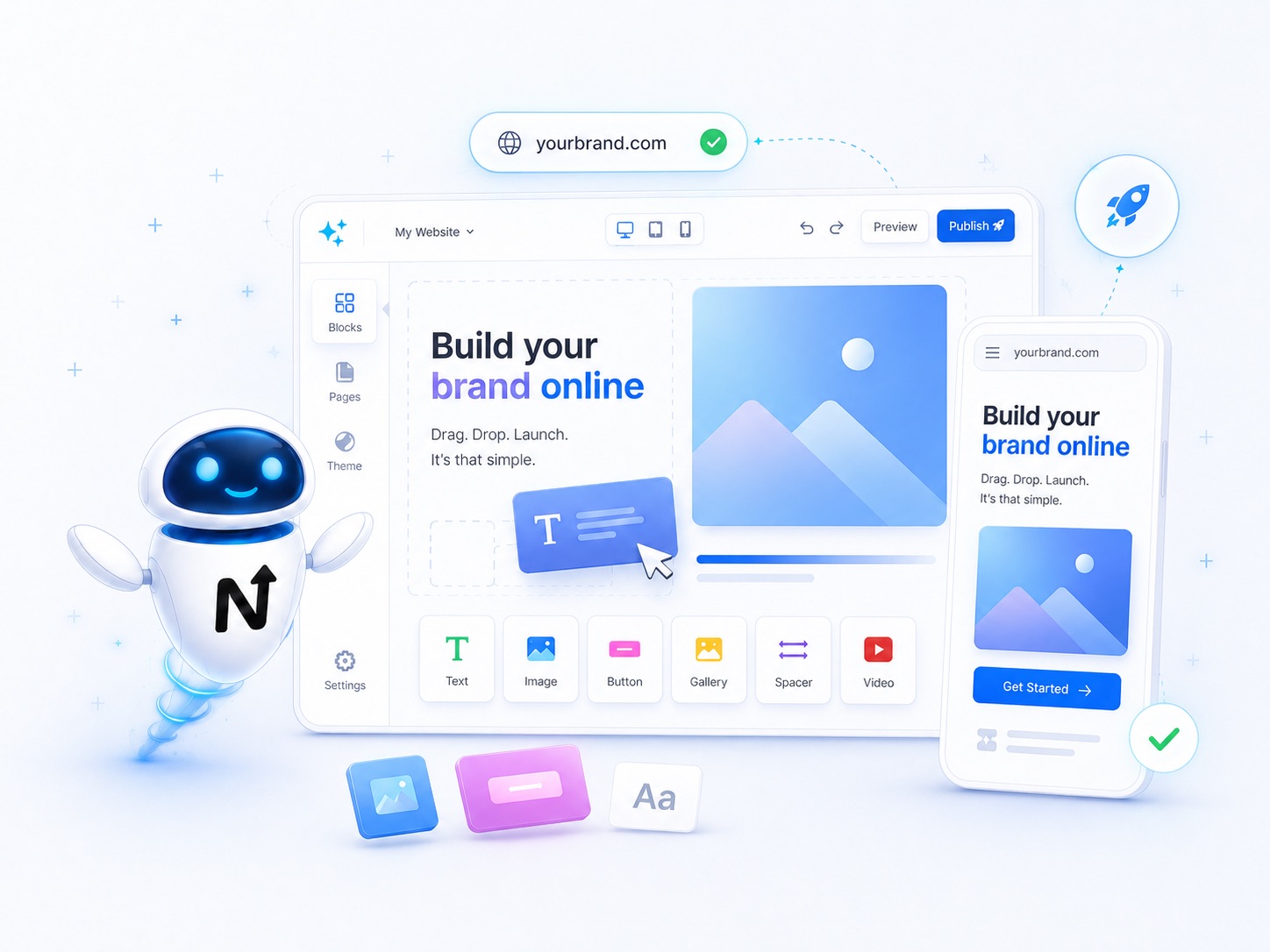
Website builders
AI website builders with drag-and-drop editing turn a simple prompt into a live, mobile-ready brand site in minutes - no developer required.
Build a website
Professional email
you@yourbrand.com on enterprise-grade email, set up the moment you own the domain. Calendar, drive and meetings included.
Set up emailFrequently Asked Questions
No. A one-word name is about being a single word, not about being brief. "Qualtrics" and "Rippling" are both single words and neither of them is short. What matters is that the name is one unbroken token, with no space and no second word, that reads and is owned as one word. A longer single word with a clear rhythm and obvious spelling can work just as well as a four-letter one.
Not always. A one-word name is only an advantage if the single word is sayable, distinctive, and ownable. A bland or hard-to-spell single word can underperform a strong, memorable two-word name. The benefit of one word is clean ownership and single-unit recall, so aim for a single word that is distinctive and available, rather than choosing one word for its own sake.
This is the most common challenge with one-word names, because single words, especially real words, are the most contested domains. Before settling for a hyphenated or padded address, explore a coined single word, a tightly fused compound, a respelled single word, or a strong alternative extension that keeps the name to one word. A clean single word on a strong alternative TLD usually beats a real word on a compromised .com.
Both work; they trade off differently. A coined single word is far easier to own as an exact-match domain and trademark, but it starts with no meaning and has to earn it. A single real word comes with instant recognition and a built-in image, but its exact-match domain is usually taken. The right choice depends on whether ownability or instant meaning matters more for your business, and on what single word you can actually claim.
Give the one word a hook. The most memorable single-word names pair the word with a vivid meaning, a distinctive sound, or an unexpected category fit, rather than reaching for the blandest available word. A single word with a clear image or a sharp sound sticks; a generic single word does not. Then test it by saying it once to people and seeing whether they recall it later.
Yes, as long as it fuses cleanly into a single solid form with no space. "Instagram," "Duracell," and "Comcast" are compounds written as one solid word, and they function as single-word names. Fusing two trimmed words is one of the most practical ways to land a one-word name with a hint of meaning, because the blended single word often remains available as a domain even when each word alone is gone. The key is that the result genuinely reads as one word, not as two words side by side.
A .com is the most familiar default and worth getting if you can secure the clean single-word match, but for one-word names the exact single-word .com is very often taken, especially for real words. A strong alternative extension that keeps the name to a single word, a present-tense .now, a focused .ai, a technical .io, can work very well, especially when it lets you own your exact single word instead of padding it. What matters most is that the single word and the address stay aligned and easy to type.
You can, and some brands do streamline a multi-word name to a single word over time, but it is disruptive once you have built recognition, because customers, search traffic, and word of mouth are tied to the existing name. Moving to a single word means updating everything and re-earning recognition under the new one-word name. It is almost always easier to choose a one-word name from the start than to reduce a multi-word name later.
Because single words, and single real words in particular, are the most useful and most universally desired names, they were claimed early and are held tightly, which is why their domains command premium prices or are unavailable at standard registration. This scarcity is exactly why one-word naming and domain strategy are so intertwined: the singularity that makes a name valuable is the same thing that makes its exact domain contested, so planning for the domain from the start is essential.
The smartest next step
You now have the levers of single-word naming, the real-world examples, the domain logic, and the shortlist discipline to land on a business name that is one clean word, easy to remember, confident on its own, and aligned with a domain you can actually own. The fastest way to turn all of that into a real shortlist is to run your idea through a generator built specifically for this kind of decision.
NextBrand's free and unlimited One Word Business Name Generator combines advanced AI with the naming patterns that produce strong single words, coined words, fused compounds, respellings, and real words, and surfaces candidates in seconds with logo-style previews and real-time domain and social handle availability. You can filter to single-word results and by naming style, shortlist the words that read strong, share the list for feedback with people whose judgment you trust, and claim the one that works before someone else does.
If you find a single word you love but want a ready-to-build identity with the digital presence already in place, NextBrand's strategic domains collection has high-impact, genuinely single-word names available on both .com and high-trust alternative extensions, many of them with the kind of clean, ownable roots that are nearly impossible to register from scratch and that suit a one-word brand precisely because they read as one confident word.
Whichever path you choose, the single most valuable thing you can do right now is move the naming decision out of your head and onto a shortlist you can actually say out loud, test, and check for availability. The cleaner the single word you can genuinely own, the harder it works for you, every time someone hears it, remembers it as one word, and types it from memory.
Claim the single word people will remember whole and type without a second thought. The rest of the business gets easier once that one decision is made.
Related NextBrand Links