
AppName Ideas
How to name an app -The Complete Guide
Explore app name ideas backed by real brand examples, proven naming patterns, and practical domain strategy. Built to help founders choose an app name worth downloading.
An app name has to work harder than almost any other type of business name. It needs to stand out in a crowded app store, look clean as a home screen icon, sound right in conversation, and lead people to the correct download without confusion.
At a Glance
The strongest app names are short, distinctive, easy to spell, and paired with a domain that feels natural and aligned. The best apps match the name and the domain so cleanly that users never have to wonder how to find the product online. You do not need a rare single word .com to launch a credible app. A readable two-word .com, a well-matched .ai, .io, .app, .dev, or .now, or a premium domain that gives the brand more authority from the start can all be the right choice depending on your category and audience. What matters most is that the name is compact enough for a home screen, distinct enough for an app store search, and supported by a domain that reinforces the brand. Once you know the naming direction that fits, explore tailored options with the App Name Generator or browse the NextBrand premium marketplace for stronger ready-made options.
Should your domain name match your app name?
Once you have a strong app name, the domain question becomes the next decision. For apps, this matters because the website is the hub that connects the app store listing, the marketing, the press coverage, and the support. A strong domain ties it all together. A weak one fragments the brand.
There are two main paths.
Standard registration domains
are domains currently available at the normal registration price, typically under $15 per year. This is the most common path and it works well when your app name is distinctive enough that the matching domain has not been claimed. Many successful apps launch on standard registration domains, especially when the name is coined, an unexpected compound, or an alternate spelling nobody else has taken.
Premium domains
are domains priced above standard registration because they are shorter, more memorable, or more closely matched to a high-value brand or category. Premium domains are sold through marketplaces rather than standard registrars. When the fit is strong, a premium domain can compress years of brand building into the first impression. Before a user reads a single word on your landing page, the domain has already shaped how they perceive the app. A clean, strong domain makes that perception work in your favor from the very first moment.
Why a strong app name and domain are worth the effort
In a market with millions of apps competing for attention, the name is one of the few assets that works across every channel. It is the label under the icon, the first word in every app store listing, the thing people type when they want to download, and the signal that tells a potential user whether the product is worth trying. In many cases, the domain is the very first branded touchpoint someone encounters. They start evaluating the app before they even see the product.
Here is what a strong app name and domain actually do in practical terms.
Immediate online presence.
A clean name and domain pairing makes the app feel real and professional the moment someone types it in. There is no awkward redirect, no confusion, and no "is this the right app?" hesitation. The brand simply shows up where users expect it. A strong domain helps the app look polished before the visitor reads a single word on the landing page.
Signals credibility from day one.
When the name sounds intentional and the domain matches, the app looks more established than it is. That perception matters enormously in app stores, where users scroll past hundreds of options and make split-second decisions about what to download.
Memorable and easy to share.
Apps live and die by word-of-mouth recommendations. If the name is easy to say and the domain is easy to type, every happy user becomes a more effective referral channel. If the name is hard to remember or the domain is hard to spell, recommendations die in transit.
Strong positioning in the app store.
The right name helps the app feel like it belongs in its category. A fitness app with an energetic name sounds like a fitness app. A productivity tool with a clean, modern name sounds like a productivity tool. Positioning starts with the name, long before the screenshots and reviews.
Builds trust and retention.
Consistency between the app name, the domain, the email address, and the social handles creates a sense of reliability. Users trust apps that feel cohesive, and that trust starts with the fundamentals.
Reduces user acquisition costs over time.
This is the advantage most founders underestimate. When the name is memorable and the domain is easy to find, you spend less on paid acquisition. Users come back directly instead of needing another ad to remind them the app exists. Every feature launch, every press hit, every social mention carries more momentum when the name itself does part of the work. The budget you save on reacquisition can be redirected into product development, user experience, or growth, giving the app a compounding advantage that starts with the name. A great app name does not just look good on a home screen. It works like a growth asset that keeps earning its value.
A strong name is not a nice-to-have. It is infrastructure. The earlier you invest in getting it right, the more value it creates.
What matters most when naming an app
Short enough for a home screen
App names get truncated on phone screens. If the name is too long, users see only the first few characters under the icon, which can make the app harder to identify and less likely to be tapped. The strongest app names are one or two words, ideally under 12 characters. Every extra character is a potential problem at small sizes.
Easy to say in a recommendation
If someone cannot say the app name confidently in conversation, you have a referral problem. The best app names feel natural when spoken: "Have you tried ___?" should sound smooth and require no spelling explanation. Say any name you are considering out loud in that sentence and listen for friction.
Easy to spell after hearing it once
This test is critical for apps because users often hear about them through voice: podcasts, phone calls, conversations, videos. If someone hears the name and cannot type it correctly in the app store or browser, you lose that download. The strongest app names pass the "hear it once, type it right" test every time.
Distinct enough to own in app store search
If someone searches for your app name and finds five other apps with similar names, that is a discoverability problem you will pay to solve indefinitely. Distinctiveness matters more in app stores than almost any other context because the search results are compact and competitive. A unique name is a major advantage.
Right for the category and audience
The right name for a meditation app is the wrong name for a fintech tool. App naming is not about finding a universally cool word. It is about choosing a name that resonates with the specific users you need to reach. Think about the tone your category expects. Think about whether your users value calm, speed, trust, fun, or precision, and let the name signal that.
Flexible enough to survive updates
Apps evolve faster than most businesses. Features get added, categories shift, and the product you launch may look very different from the product you have in two years. A name that describes one specific feature can become a constraint the moment the app grows. The strongest app names describe the feeling or purpose rather than the current feature set.
Works with an available domain and social handles
The app name does not exist in isolation. It needs a matching website, matching social handles, and a consistent identity across platforms. Check availability before you commit.
App name ideas by naming style
Six proven approaches to naming your app, each with real examples and practical guidance.
Brandable app name ideas
A brandable app name is coined or invented. It does not exist in the dictionary, and that is the advantage. Brandable names give you complete ownership from day one. In app stores, where similar-sounding names are everywhere, a truly unique word is one of the strongest assets you can have.
The trade-off is that a brandable name carries no built-in meaning. Users will not understand what the app does from the name alone. But once the association is built, the brand owns the word entirely, and that ownership makes app store search, social handles, and domain acquisition much simpler.
Five real examples worth studying
- •Shazam at shazam.com:
An exclamatory, magical-sounding word that perfectly captures the moment of recognition when the app identifies a song. The name is fun to say, impossible to confuse with competitors, and the .com is a clean match. Apple acquired the app, and the name never needed to change.
- •Depop at depop.com:
A short, punchy coined name for a fashion resale marketplace. The word sounds youthful and slightly rebellious, which matched the app’s Gen Z audience. The five-letter .com is a clean match, and the name worked equally well as a tiny icon and a brand identity.
- •Miro at miro.com:
A smooth, four-letter name for a collaborative whiteboard app. The name sounds creative and modern without being cold. The .com is a direct match, and the brevity makes it ideal for mobile contexts where space is limited.
- •Vivino at vivino.com:
A coined name that sounds warm and vaguely European, which fits a wine discovery app perfectly. The name carries no category baggage, which let the product expand from a label scanner to a full wine marketplace without the name ever feeling too narrow.
- •Deezer at deezer.com:
A coined name that sounds musical and energetic without directly describing the product. The word is easy to say, easy to spell, and the .com is a clean match. The name works equally well on a home screen icon and in a global context. It carried the music streaming app into markets across the world without ever feeling tied to one genre or format.
When you want complete ownership in app store search, when you plan to build a strong brand identity, or when the category is crowded with descriptive names and you need to stand out.
Brandable names are especially strong for apps because they create clean, ownable identities in crowded stores. Try generating brandable options in the App Name Generator and pay attention to how each one looks at icon size and sounds in a recommendation.
Compound app name ideas
A compound app name combines two recognizable words into a single brand. This is one of the most popular naming strategies for apps because it gives you built-in meaning from both halves while still creating something distinctive. The two-word structure also tends to be self-explanatory, which helps in app stores where users make fast decisions based on the name alone.
The best compound app names pair one descriptive word with one unexpected word, creating a name that communicates and surprises at the same time. The risk is making the compound too generic. Two descriptive words can be clear, but if they are too obvious, the name becomes forgettable and hard to own in search.
Five real examples worth studying
- •Duolingo at duolingo.com:
"Duo" (two, or a pair) plus "lingo" (language) creates a name that communicates the product instantly while feeling branded and fun. The compound is distinctive enough to dominate app store search, and the .com is a clean match. The name works as well on a billboard as it does under an icon.
- •WhatsApp at whatsapp.com:
"What’s" plus "App" creates a compound so natural it sounds like a question: "What’s app?" The name is conversational, easy to remember, and the .com matches directly. It became one of the most downloaded apps in history with a name that explains itself on contact.
- •Evernote at evernote.com:
"Ever" plus "note" promises permanence and organization. The compound is descriptive yet branded, and the .com is a direct match. The name scaled from a simple note-taking tool to a full productivity ecosystem without ever feeling too narrow.
- •Grubhub at grubhub.com:
"Grub" (food, informally) plus "Hub" (a central place) creates a name that is both clear and slightly playful. The compound communicates the product immediately, and the .com matches directly. The informal tone helped the app feel approachable in a category that could easily sound sterile.
- •TaskRabbit at taskrabbit.com:
"Task" is purely functional, but "Rabbit" adds personality, speed, and memorability. The unexpected pairing makes the name impossible to confuse with competitors. The .com is a clean match, and the compound works well at every size from an app icon to a press headline.
When you want instant clarity about what the app does, when the category benefits from a name that explains itself, or when you want a name that feels approachable and easy to remember.
Compound names are one of the strongest starting points for app naming because they combine clarity with personality. Try compound directions in the App Name Generator to see how different pairings change the feel of the brand.
Alternate Spelling app name ideas
An alternate spelling app name takes a familiar word and modifies it just enough to create ownership. The original meaning stays visible, but the new form becomes trademarkable and more distinctive in app store search. This approach is popular for apps because it gives you the instant recognition of a known word with the uniqueness needed to stand out in a store with millions of listings.
The danger is real: if the spelling change is too aggressive, users will search for the wrong name and find the wrong app. The best alternate spellings change as little as possible and keep the pronunciation completely obvious.
Five real examples worth studying
- •Turo at turo.com:
Built from "tour" with a vowel swap. The word sounds adventurous and slightly exotic, which is the right tone for a peer-to-peer car sharing app. The pronunciation is immediately obvious, the .com is a clean four-letter match, and the altered spelling created full ownership in a category where generic names like "car rental" would be impossible to brand.
- •Pixlr at pixlr.com:
Derived from "pixel" with the vowel dropped. The shortened form feels fast, digital, and creator-native. The five-letter .com is clean and the pronunciation stays obvious despite the missing vowel. For a photo editing app, the visual-tech association is perfect.
- •Zynga at zynga.com:
Named after the founder’s dog "Zinga" with a letter swap. The result is a five-letter name that sounds energetic and playful, which fits a mobile gaming company. The .com is a clean match, and the name carried the brand from Farmville through dozens of game titles.
- •Skool at skool.com:
"School" respelled phonetically. The spelling change is bold but the pronunciation is instant. The five-letter .com is much more ownable than any version of "school" would have been. For an online learning and community platform, the playful spelling projects a modern, informal feel.
- •Noom at noom.com:
"Moon" spelled backwards. The reversal creates a short, smooth, completely ownable four-letter name. The .com is a clean match, and the word carries a subtle sense of transformation that fits a health and behavior change app.
When a real word captures your app perfectly but is impossible to own in its original form, or when you want built-in meaning with better trademark and domain options.
Alternate spelling works best when the change is small and the pronunciation stays effortless. If you explore this direction in the App Name Generator, test each option by asking someone to search for it in the app store after hearing the name once. If they find the wrong app, the spelling change is too aggressive.
Real Word app name ideas
A real word app name uses an existing word from the dictionary, applied to an app in a fresh or unexpected way. The strength of this approach is instant familiarity. Users already know the word, already know how to spell it, and already carry emotional associations with it. When the context is right, a real word name can make an app feel both confident and effortless.
The challenge for apps is that common words are extremely competitive in app store search. The apps that succeed with real word names tend to pick words that are slightly unexpected for their category. That gap between the word’s everyday meaning and the app’s actual function creates distinctiveness and recall.
Five real examples worth studying
- •Signal at signal.org:
A word that suggests communication, clarity, and importance. For a privacy-focused messaging app, the name carries both the literal meaning (sending a signal) and the deeper meaning (taking a stand for privacy). The .org extension reinforces the app’s non-profit, mission-driven identity.
- •Yelp at yelp.com:
A short, punchy word that suggests calling out for help or attention. For a review and discovery app, the name captures the act of asking for recommendations in a single syllable. The .com is a clean four-letter match, and the word gave the brand a personality that competitors could not copy.
- •Kayak at kayak.com:
A word that evokes adventure, exploration, and navigating through choices. For a travel search app, the metaphor works naturally. The .com is a clean five-letter match, and the name is distinctive enough to own search results completely despite being a common English word.
- •Stash at stash.com:
A word meaning to store away or save. For an investing and savings app, the name captures the core user action in a single word. The .com is a clean five-letter match, and the informal tone made the app feel more accessible than traditional finance brands.
- •Hopper at hopper.com:
A word that suggests jumping, movement, and catching the right moment. For a flight and travel booking app, the name evokes the excitement of travel and the idea of hopping on a deal. The .com is a direct match and the word has enough energy to feel right in a mobile-first context.
When you find a word that carries the right emotional tone for your app, when the word is unexpected enough for your category to create distinctiveness, or when simplicity and confidence are core to your brand identity.
Real word names reward unexpected word choices. The less obvious the word is for your category, the more distinctive the app becomes. If you explore this direction in the App Name Generator, look for words that carry the right emotional tone rather than words that describe the feature set.
Acronym app name ideas
An acronym app name compresses a longer name into its initials. The result is compact, which is valuable in app contexts where space is limited. But compactness is not the same as memorability, and that distinction matters more in app stores than almost anywhere else.
The honest reality is that acronym naming is usually the weakest path for a new app. In an app store with millions of listings, users scroll fast and make split-second decisions. Expressive, pronounceable names grab attention. A set of unfamiliar initials does not. Every successful acronym app in the examples below either had massive pre-existing brand recognition (IMDb, NPR, MLB) or initials smooth enough to function like a word (VSCO). For a new app launching into a competitive store, a pronounceable name will almost always generate faster downloads and stronger word-of-mouth growth.
That said, acronyms can work in specific app contexts: when the brand already has an audience that recognizes the initials, when the category convention favors letter-based names, or when the acronym sounds natural enough to say out loud.
Five real examples worth studying
- •VSCO at vsco.co:
Stands for Visual Supply Company. The four letters are smooth enough to pronounce as a word ("visco"), which gives them more personality than typical initials. The .co domain keeps the URL short and clean. For a photography and creative app, the name projects an insider, editorial feel.
- •IMDb at imdb.com:
Internet Movie Database compressed into four widely recognized letters. The acronym became so established that most users do not know or care about the original name. The .com matches directly, and the app is the default movie information resource for millions.
- •NPR at npr.org:
National Public Radio shortened to three letters that carry instant trust and credibility. The .org extension reinforces the non-profit identity. The app extends the brand from radio to mobile, and the initials are recognizable enough to need no explanation.
- •MLB at mlb.com:
Major League Baseball compressed into three letters that are universally understood in sports. The .com is a clean three-letter match. The app extends the brand’s reach to mobile with a name that needs no introduction to its audience.
- •MS.now at ms.now:
Formerly MSNBC, the major cable news network rebranded to MS NOW as part of its spin-off from NBCUniversal into the new company Versant. The move to the .now domain was deliberate: it signals urgency, modernity, and a fresh start while retaining the recognizable "MS" initials. When a network with nearly 30 years of brand equity chooses .now for its new identity, it shows that the extension carries real credibility at the highest level.
When the brand already has recognition that makes the initials meaningful, when the acronym is smooth enough to pronounce as a word, or when the category convention supports letter-based names.
If you are considering an acronym for your app, test it head-to-head against pronounceable alternatives. Try both in the App Name Generator and compare side by side. In most early-stage situations, a name people can say and remember will outperform initials in app store search and word-of-mouth growth.
Evocative app name ideas
An evocative app name suggests a feeling, an image, or a promise instead of describing the app directly. When the fit is right, an evocative name creates a deeper emotional connection than any literal description could. The name does not explain the feature set. It communicates the experience.
This naming style is especially effective for apps where the user experience, the community, or the emotional benefit matters as much as the functionality. Consumer apps, lifestyle products, and habit-forming tools often benefit from evocative naming because it gives the brand an emotional identity that competitors cannot replicate.
Five real examples worth studying
- •Audible at audible.com:
A word that directly evokes the experience of listening. For an audiobook app, the name sells the format in a single word. The .com is a clean seven-letter match, and the name creates an emotional connection to the product before the user opens it.
- •Chime at chime.com:
A gentle, pleasant sound. For a mobile banking app, the name transforms a category associated with stress and complexity into something that feels approachable and friendly. The .com is a clean five-letter match, and the name helped Chime stand out in a sea of cold, corporate finance brands.
- •Wish at wish.com:
A word that evokes desire, aspiration, and possibility. For a discount shopping app, the name captures the thrill of finding unexpected deals. The .com is a clean four-letter match, and the word gives the brand an emotional pull that purely descriptive competitors cannot match.
- •Ritual at ritual.com:
A word that suggests daily practice, intention, and mindfulness. For a health and vitamin subscription app, the name communicates the core user behavior (building a daily habit) rather than the product category. The .com is a clean six-letter match.
- •Sweat at sweat.com:
A single, visceral word that captures the physical effort of a workout. For a fitness app, the name is as direct and honest as the product itself. The .com is a clean five-letter match, and the word creates an immediate emotional and physical association.
When the app’s emotional benefit is as important as its functionality, when you want to create a brand identity that competitors cannot copy, or when the category is crowded with literal, descriptive names.
Evocative names give your app an emotional identity that competitors cannot copy. If you explore this direction in the App Name Generator, look for names that make you feel something connected to the app’s purpose, not just names that describe the feature list.
Domain strategy: standard registration vs. premium domains
The decision is not about prestige. It is about which path gives the app more lift from day one. A standard registration domain can be a solid starting point when the name is distinctive and the match is clean. A premium domain is often the stronger investment in specific situations: when the premium option is noticeably cleaner and easier to remember, when the alignment between app name and domain is unusually strong, when user acquisition is expensive in your category, or when the standard registration option would force a weaker name or an awkward workaround. In those situations, founders who invest in the premium path tend to recoup that cost quickly because every direct visit is a user you did not have to acquire through a paid channel.
One way to think about it: when the fit is strong, a premium domain is not just a cost. It is a brand asset that works for the app around the clock. Every user who finds the app directly instead of through a paid campaign is recouping part of that investment. Every time someone remembers it from a recommendation, that is acquisition spend you did not have to make. That freed-up budget can go straight into product, user experience, or growth. For an app where user acquisition costs are high, that efficiency compounds fast.
If you want to explore what is available, the App Name Generator shows real-time domain availability across popular extensions. For premium options, the NextBrand premium marketplace is curated specifically for founders looking for stronger ready-made brand assets.
How to choose the right domain extension
The right extension depends on who your users are and how they discover the app. There is no single correct answer, and the best choice for one app may be wrong for another.
For apps that serve a broad consumer audience, a readable two-word .com is often a strong option. People have typed .com by default for decades, and that habit still carries weight when someone is looking for an app’s website. But "strong option" does not mean "only option." A two-word .com like betterhelp.com or creditkarma.com is far more useful than a single-word .com that costs a fortune and pushes you into a weaker name.
For apps that serve a tech-savvy, developer, or digital-native audience, alternative extensions have real credibility. Extensions like .ai, .io, .app, .dev, and .now are well recognized in app and startup ecosystems, and in some categories they actually signal that the product is more modern and focused than a generic .com would suggest.
Brand-matching .com pairings worth studying
• BetterHelp at betterhelp.com:
A clean compound that communicates the product’s promise in two words. The .com is readable, the name is self-explanatory, and the pairing helped the therapy app establish trust in a category where credibility matters enormously.
• CreditKarma at creditkarma.com:
"Credit" delivers the category. "Karma" delivers the philosophy. The compound is distinctive yet clear, and the .com matches directly. The name scaled from a credit score tool to a full financial wellness platform.
• HelloFresh at hellofresh.com:
A friendly greeting plus a quality signal. The compound communicates warmth and freshness, which is the right tone for a meal kit app. The .com is longer by character count but easy to remember and type.
• OpenTable at opentable.com:
"Open" plus "Table" creates a compound that immediately communicates the product: finding available restaurant reservations. The .com matches directly, and the name has been the category leader for over two decades.
• SeatGeek at seatgeek.com:
"Seat" delivers the category (event tickets). "Geek" delivers the personality (smart, savvy). The compound is distinctive and the .com is a clean match.
Brand-matching alternative TLD pairings worth studying
• Otter at otter.ai:
An AI-powered meeting transcription app where the .ai extension reinforces the core technology. The name is warm and approachable, and the .ai domain makes the product’s focus unmistakable. For AI-powered apps, .ai has become a credibility signal in its own right.
• itch.io at itch.io:
An indie game marketplace where the .io extension signals developer credibility and community. The name is short, distinctive, and the .io domain feels native to the audience of independent game creators and players.
• Shop at shop.app:
Shopify’s consumer shopping app chose .app as its primary domain, making the extension a natural descriptor of the product. The name is a single common word, and the .app extension communicates that this is a mobile-first experience. For apps and digital tools, .app is becoming one of the most natural and trusted extension choices.
• Warp at warp.dev:
A developer terminal app where the .dev extension reinforces that the product is built for and by developers. The name is short, energetic, and the .dev domain adds technical credibility without cluttering the name with extra words.
• TouchGrass at touchgrass.now:
A screen-time blocker that unlocks when you go outside. The name is playful and internet-native, and the .now extension reinforces the urgency of stepping away from your device right now. For apps built around wellness, real-time action, or behavior change, .now is an emerging extension that can do real branding work.
The takeaway is straightforward. Start with the strongest option that fits your app, your audience, and your budget. A clean .com can be a strong option when it fits naturally, but it is not the only path to a credible app brand. A well-matched .ai, .io, .app, .dev, or .now can be equally powerful or even stronger when the extension reinforces what the app does. The worst choice is forcing a weaker name just to get a .com, or settling for a confusing domain just to avoid investing in the right one.
Shortlist the strongest names
Generating app name options is the easy part. Knowing which ones on your list are actually strong enough to build on is harder. Once you have a set of candidates, whether from brainstorming, from the App Name Generator, or a combination of both, run them through this filter.
The icon test.
Type the name in 12-point font and see how it looks at the size of a phone icon label. If it gets truncated, abbreviated, or loses clarity at small size, that is a problem you will face every day on millions of home screens.
The say-it-out-loud test.
Say the name in the sentence "Have you tried ___?" three times. If it sounds smooth and confident every time, it passes. If you hesitate or feel the need to spell it, that friction will follow every referral.
The app store search test.
Search for the name (or something close to it) in the app store. If the first page is dominated by similar names, you have a discoverability problem. A strong app name should give you a realistic path to owning the top result for your own brand.
The phone test.
Tell someone the app name over a phone call and ask them to type it into the app store. If they find the right app on the first try, the name is working. If they find something else, the name needs more distinctiveness.
The memory test.
Share the name with someone and ask them about it two days later. If they remember it unprompted, the name is sticky enough to drive organic downloads. If they cannot, the name may sound fine in the moment but lack staying power.
The domain test.
Check whether the strongest realistic domain is available, whether that is a clean .com, a credible alternative TLD, or a premium domain. The App Name Generator handles this automatically, checking availability across extensions and social platforms in real time.
Names that survive all six tests are the ones worth committing to. If a name fails more than one, keep exploring.
Choosing between your final two or three.
If you have narrowed your options to a small set of finalists, compare each head-to-head on three factors: memorability, app store distinctiveness, and domain strength. Ask which name is easiest to remember after hearing it once. Ask which name gives you the cleanest app store search result. Ask which name has the stronger domain path.
If one name wins on two of those three, that is usually your answer. If the scores are even, go with the shorter name. Shorter app names compound their advantage through better icon display, faster typing, and stronger recall.
When a premium domain tips the decision.
Sometimes the right app name is clear, but the strongest domain version is available as a premium rather than a standard registration. This is where many founders hesitate. Here is a practical way to think about it.
A premium domain is usually the stronger investment when the standard alternative would force a compromise: an extra word, an awkward prefix, or a domain that does not match the app name. If the premium version is noticeably cleaner and more memorable, the gap in daily performance often justifies the upfront cost. Every user who finds the app directly instead of through a paid campaign is recouping part of that investment.
If the gap is small, the standard path may be the smarter move. But if you find yourself adding words or workarounds just to avoid the premium price, that is a signal the premium domain is doing real work for the brand. Browse the NextBrand premium marketplace before you settle.
Common mistakes to avoid
Most app naming mistakes are not failures of creativity. They are practical oversights that become expensive once the app is live.
Choosing a name that is too long for a home screen.
If the name gets truncated under the icon, users may not recognize the app or may confuse it with something else. Keep the name short.
Picking a name too similar to an existing popular app.
This creates confusion in app store search, social mentions, and conversation. Check the app stores thoroughly before committing.
Forcing a creative spelling that confuses app store search.
A subtle twist can help. A confusing one sends users to the wrong listing. If people search for the wrong spelling, you lose downloads to competitors.
Describing a single feature instead of the app.
"QuickScanPDF" might describe the MVP, but what happens when you add signatures, templates, and cloud storage? Feature names trap products. Purpose names scale.
Ignoring the domain until after choosing the name.
The app name and the domain should be evaluated together. Discovering that every reasonable domain is taken after you have already designed the icon and written the app store listing is one of the most expensive mistakes a founder can make.
Assuming only a .com is credible for an app.
Some of the most successful apps in the world use .ai, .io, .app, .dev, and .now. Dismissing alternative extensions can push you into a weaker name. The goal is the strongest realistic option.
Skipping the trademark check.
A name that conflicts with an existing trademark is a legal liability that can force a rebrand at the worst possible time. Check before you invest in design, development, and marketing.
Every one of these mistakes is avoidable. If you are uncertain about a name, keep exploring. The App Name Generator is free and unlimited, so there is no cost to running another round.
How to get better results from a name generator
A name generator produces dramatically better output when you give it a clear direction. The difference between "give me an app name" and a focused brief is the difference between browsing randomly and searching with intent.
The App Name Generator is built to help at every stage of this process, and it is completely free with unlimited generations. Here is how to get the most value from it.
1. Start with a brief, not an empty field.
Before you generate anything, write down three things: the app category, the tone you want (minimal, playful, bold, trustworthy, premium), and which naming style appeals to you based on the patterns earlier in this guide. Even a rough direction produces dramatically better results than starting cold.
2. Use the advanced filters to focus the output.
The generator includes filters that help you narrow results by name style, length, and other attributes. Instead of scanning hundreds of random suggestions, you can focus on the type of name that matches your strategy.
3. Evaluate the visual previews.
Every generated name comes with a logo-style visual preview so you can see how the name looks in context, not just as text. For apps, this is especially valuable because the preview approximates how the name will appear on a screen. Some names look stronger visually than they sound. The preview helps you catch the difference.
4. Check domain and social availability in real time.
The generator checks domain availability across popular extensions and social handle availability across major platforms automatically. For apps, where social presence is often critical, knowing that the name is available everywhere before you commit is a major time saver.
5. Build a shortlist and rank your favorites.
As you browse, add the strongest candidates to your shortlist. Once you have a solid set, rank them against the criteria from the earlier sections. The shortlist feature makes comparison easy, especially if you are evaluating names over multiple sessions.
6. Share with your team.
You can share a single name or your entire shortlist with co-founders, designers, or early users. App naming decisions benefit from outside perspective, and the sharing feature keeps that feedback organized.
7. Let the AI learn your preferences.
As you add names to your shortlist and adjust the filters, the generator’s AI picks up on your style and works to surface more names in the direction you are gravitating toward. The more you interact with it, the more targeted the suggestions become.
The goal is not to find the perfect name on the first click. It is to build a focused shortlist and test each candidate against real-world criteria. The App Name Generator gives you the tools to do that efficiently, and the NextBrand premium marketplace gives you a second path if a premium domain is the stronger move.
Premium domain marketplace
Want to start strong?Secure an unforgettable domain name
The Software Development & Apps category holds hand-picked app brand domains, each chosen for immediate presence, lasting trust, and the market positioning a fresh registration cannot match.
- Immediate online presence
- Signals authority from day one
- Memorable and easy to share
- Strong market positioning
- Builds trust and brand loyalty
- Designed for long-term growth


Beyond the name
Everything you need after the name is yours
Once your brand name is set, we get you live and running with the partners that handle everything else - fast, professional, and ready for customers.
Business formation
Spin up an LLC, Corporation or similar entity through vetted formation partners - paperwork, EIN and registered agent in one flow.
Form your business
Logo design
Hand the brief to professional designers or run a full design contest, whichever fits your budget and timeline.
Design your logo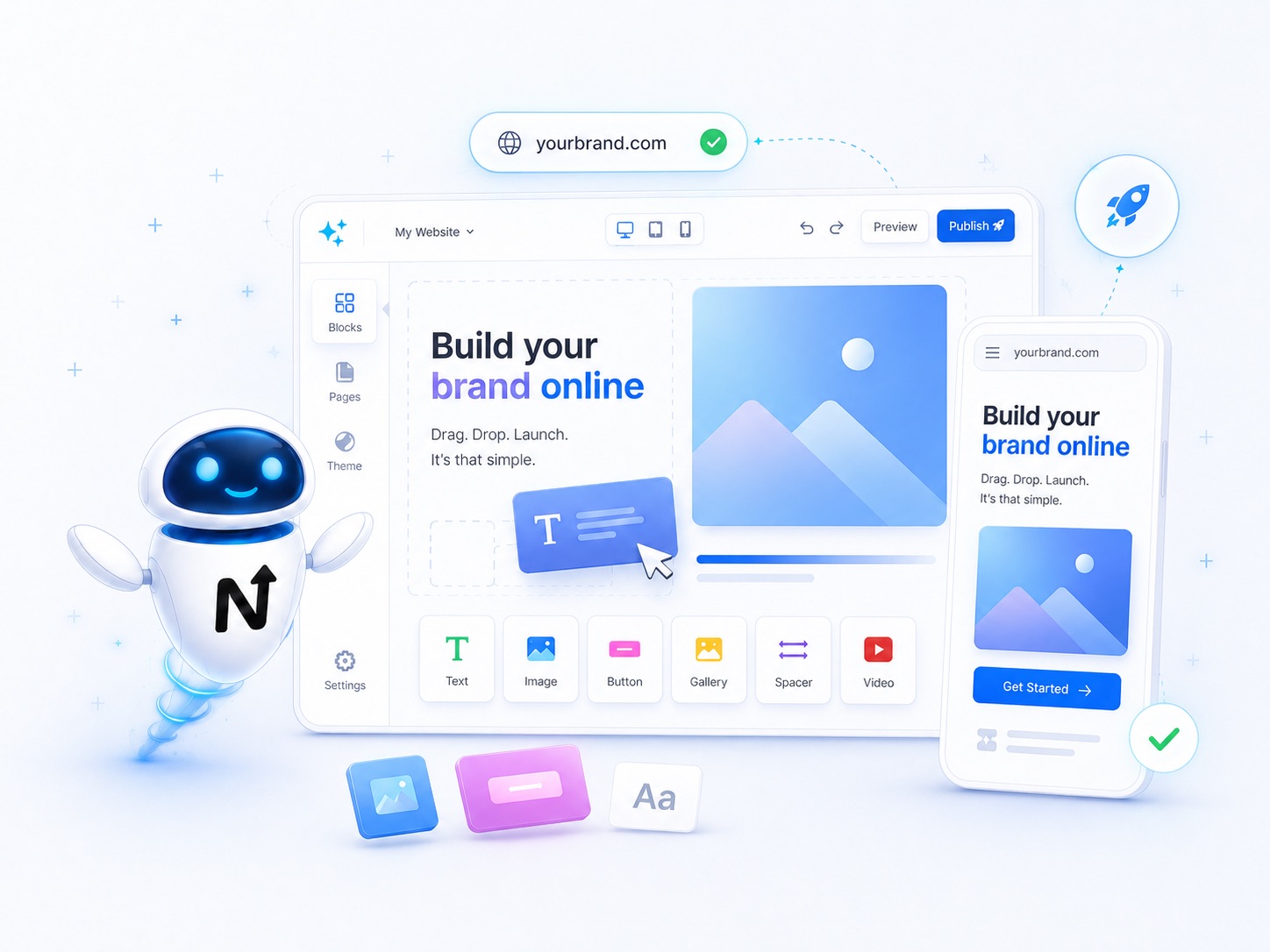
Website builders
AI website builders with drag-and-drop editing turn a simple prompt into a live, mobile-ready brand site in minutes - no developer required.
Build a website
Professional email
you@yourbrand.com on enterprise-grade email, set up the moment you own the domain. Calendar, drive and meetings included.
Set up emailFrequently Asked Questions
A strong app name is short, distinctive, easy to spell, easy to remember, and supported by a clean domain path. It should look good at icon size, sound natural in a recommendation, and be distinct enough to own in app store search. The best app names feel intentional and confident, not generic or improvised.
As short as possible while still being meaningful and distinctive. One or two words is ideal. Names under 12 characters display cleanly on most phone screens without truncation. Every extra character is a potential problem at small sizes.
Very. The domain connects the app store listing, the marketing, the press, and the support. A strong domain that matches the app name makes the product easier to find, easier to trust, and easier to return to. A weak or mismatched domain fragments the brand.
There is no single answer. A .com is still widely recognized. But extensions like .ai, .io, .app, .dev, and .now are increasingly trusted, especially for tech and digital-first products. In some categories, a well-matched alternative TLD can outperform a generic .com because it signals relevance and modernity. The best choice depends on your audience and which extension makes the name and domain feel most natural together.
A standard registration domain is available at the normal annual cost, usually under $15. A premium domain is priced higher because it is shorter, more memorable, or better matched to a valuable brand or keyword. For apps with high user acquisition costs, a premium domain can pay for itself through stronger recall and more direct traffic.
You have several paths. First, check whether the current owner is active or if the domain is parked and purchasable. Second, consider whether a different extension like .ai, .io, .app, .dev, or .now works naturally for your audience. Third, explore whether a different premium domain could give you an even stronger brand. The NextBrand premium marketplace is worth browsing. If none of those paths work, generate fresh options in the App Name Generator with a refined brief.
Yes, when given clear direction. A vague request produces generic output. A focused brief with specific category, tone, and style preferences produces names that are often stronger than what most teams arrive at through brainstorming. The App Name Generator also checks domain and social availability in real time, which eliminates one of the biggest bottlenecks in the naming process.
Most founders do best when they generate a broad initial set (50 to 100 options), narrow to 5 to 10 serious candidates, and then test those against the practical criteria in this guide. A focused shortlist with real criteria always beats an endless list with no decision logic.
Use the App Name Generator to turn the strongest naming direction from this guide into tailored options. The generator is free, unlimited, and built to help you move from strategy to shortlist to decision. If you already know you want a premium ready-made domain, browse the NextBrand premium marketplace.
The smartest next step
You now have a clearer picture of how the strongest app names are built, which naming styles produce the best results, how domain strategy works when app store presence and web presence both matter, and what separates app names that grow from app names that get deleted. That clarity is the real asset. Better app naming decisions do not come from brainstorming longer. They come from knowing what to look for.
If you are ready to turn that knowledge into action, the App Name Generator is the fastest way to explore tailored options. It is free, unlimited, and powered by advanced AI combined with proprietary naming algorithms. You will see logo-style previews, real-time domain and social availability checks, and an AI that learns your preferences as you browse. Once you find names worth considering, shortlist them, rank them, share them with your team, and move forward with confidence.
If you already know that a premium domain would give your app a stronger launch, browse the NextBrand premium marketplace to see what is available.
Either way, the goal is the same: choose an app name that is easier to find, easier to remember, and easier to build on. Start now, while the strategy is fresh.
Ready to find your name?
Pick your path and start exploring.