
Trendy BusinessName Ideas
How to name a trendy business -The Complete Guide
Explore trendy business name ideas backed by real brand examples, current naming patterns, and practical domain strategy. Find a modern, on-trend name with a matching domain.
A trendy business name is the one that feels like it belongs to right now. It taps the look, the sound, and the shape of the names people are drawn to today, so the business reads as current, plugged in, and part of the present moment rather than a holdover from an earlier era. In a market where a dated name can quietly signal that a business is behind the curve, a trendy name does the opposite: it tells people, before they have learned anything else, that the brand is modern, aware, and worth a closer look. That signal does real work, pulling in the customers, the talent, and the attention that gravitate toward whatever feels fresh, long before anyone has tried the product.
It helps to be precise about what "trendy" means here, because it is easy to confuse with merely new. A trendy name is not just recently coined; it is deliberately aligned with the naming conventions and aesthetics that feel current today, the short punchy coined words, the stylized spellings, the unexpected real words, the modern compounds, and the of-the-moment extensions that define how fresh brands present themselves now. There are two things going on at once, and both matter. The first is alignment: a trendy name moves in step with the present, borrowing the shapes and sensibilities that read as modern. The second is timing: a trendy name feels like it arrived at the right moment, in tune with what people find appealing this year rather than a decade ago. The strongest trendy names manage both, so the brand feels unmistakably of its time.
This is also where a trendy name differs from its close relatives. A catchy name is built for instant recall, a creative name for an imaginative leap, a unique name to be one of a kind, a smart name to signal competence, a cool name for lasting style, and a small business name for an approachable, trustworthy fit. A trendy name can be several of those at once, but it optimizes for something specific: feeling current, in step with the naming styles of the moment. There is a real tension to manage, though, and it sits at the heart of trendy naming. Trends shift by definition, so a name chosen only because it is spiking right now can date as fast as the trend that inspired it. The genuinely smart trendy choice rides a current that has staying power rather than a fad that will pass, which is the difference between a name that feels timely for years and one that feels stale in two.
The way to be trendy without paying for it later is to be selective about which trends you follow and disciplined about the fundamentals underneath. Some shifts in how brands are named reflect durable changes in taste and technology, the move toward shorter names, toward modern extensions, toward playful real words, and those are safer to lean into than a passing suffix or a meme spelling that will read as a time stamp. And whatever current shape a name takes, it still has to clear the basics: it has to be easy to say, easy to spell, and easy to own, because a trendy name that no one can repeat or type cannot build the momentum that makes a modern brand grow. Trendy is the lens; sayable, spellable, and ownable are the foundation that keeps the lens from aging badly.
One thing that makes naming for trendy genuinely tricky is that almost any business can pull it off, so the category gives you very little to go on. A coffee shop, a fintech app, a clothing line, a supplement brand, a software tool, a social app, and an AI startup can all have trendy names, and the right one for each is judged by the same question rather than by the field it sits in: does the name feel current, and is the trend behind it one that will last? Trendy does lean naturally toward consumer, technology, and lifestyle brands, where being of the moment is part of the appeal, but the right execution can make almost any business feel modern, which is why the real examples ahead deliberately span fintech, beauty, social apps, wellness, watches, presentation software, drones, and AI. What carries across all of them is never the category but the approach, a name built to feel current and to stay that way. As you read, keep your attention on the decision behind each name rather than the business it belongs to, because the decision is the part that transfers to yours.
At a Glance
A trendy business name competes on feeling current and on-trend: it makes the brand read as modern, aware, and in step with the present moment, the kind of name that signals a business is plugged in rather than dated.
• It feels of the moment.
A trendy name borrows the shapes and sensibilities that read as modern right now: short punchy coined words, stylized spellings, unexpected real words, modern compounds, and of-the-moment extensions.
• It rests on a durable shift.
A trendy name can be catchy, creative, unique, smart, or cool, but what it really has to be is current, aligned with the naming styles of the moment, while resting on a trend with enough staying power to last.
• It pairs with a clean matching domain.
The name and a clean matching domain work together, and a coined, respelled, or compound name often makes that match easy to own, while a current, well-chosen extension can make the whole address feel modern.
• It stays usable.
However trendy the name sounds, it still has to be easy to say, easy to spell, and easy to find, because a name no one can repeat or type cannot build the momentum that keeps a modern brand growing.
• It is found fast.
The fastest path is to generate a wide range of options, narrow them with a few simple tests, avoid the common mistakes, and secure the name and its domain early.
Should your domain name match your trendy business name?
For a trendy name, a matching domain is part of feeling current. A name chosen to read as modern loses some of that freshness the moment its address does not line up, because a mismatch reads as an afterthought, and an afterthought is exactly the dated, behind-the-curve impression a trendy name is meant to avoid. When the name a person hears is the address they type, the brand presents as one coherent, modern idea, the kind of tidy detail that quietly signals the business is on top of things, and none of the attention the name earns is lost to a near match or a clumsy workaround.
The good news is that trendy names tend to make a clean match achievable, because the qualities that make a name feel current also tend to make it ownable. Coined words, blends, and respellings usually have no prior owner, so a clean matching domain is far more likely to be open, and a distinctive modern name paired with a clean address simply looks sharper than a generic phrase ever could. That is part of what makes choosing a fresh, distinctive name a sound move in the first place: the same originality that makes the name feel trendy also keeps the domain and the social handles within reach, so the whole brand can be secured cleanly from the start.
When an exact match is not within reach, the modern response is to adjust the approach rather than reach for filler. You can lean into a coined or respelled variant, which often opens up a clean match while keeping the current feel. You can pair the name with a second word into a tidy address that still reads as one modern idea. Or you can choose a current extension that genuinely suits the brand, where the ending itself becomes part of what makes the name feel of the moment. What rarely works is padding the address with extra words, extra letters, or hyphens, because a cluttered domain looks dated and undercuts the modern impression the name was chosen to create. Treat the name, the domain, and the handles as one decision, and choose the path that keeps the whole brand looking as current as the name sounds.
Why a strong trendy business name and domain are worth the effort
A name is the first and most repeated thing a business owns. It appears before the product, the pitch, or the storefront, and it shows up everywhere the brand does, on the site, the app icon, the receipts, the ads, and in every conversation about the business. For a brand that wants to feel current, that makes the name the single highest-leverage decision in how modern the business appears, because a name that reads as fresh sets the tone for everything that follows, while a name that feels dated forces every other part of the brand to work harder to seem current.
A trendy name earns attention because it signals that the business belongs to the present. People make fast judgments from a name alone, and a name shaped like the brands they already find appealing reads as modern, aware, and worth exploring, while a name shaped like an earlier era reads as a business that has not kept up. That first read matters most exactly when a brand is new and the name is all anyone has to go on, and a current name buys the benefit of the doubt that a dated one has to earn back.
A current name also travels, which is how modern brands grow. A name that feels fresh and of the moment is the kind people are happy to mention, post, and pass along, because sharing something that feels current reflects well on them too. That word of mouth is the engine behind almost every brand that seems to appear everywhere at once, and a trendy name feeds it, while a dated name quietly slows it, because few people are eager to recommend something that feels behind the times.
The matching domain is part of the same modern impression, not a separate technical errand. When the address matches the name exactly, the brand reads as one current, well-built idea, and the person who hears the name finds the business on the first try. When the address is a near match padded with extra words or an awkward ending, the brand loses a little of its modern polish at the very moment a curious person is trying to reach it, and a clumsy address quietly contradicts the in-step impression the name was chosen to create.
A trendy name also gives the brand a clear position from the start. A name chosen to feel current tells people how to think about the business before they know anything else: modern, fresh, aware, in tune with the moment. That positioning becomes the seed of the whole brand identity, the thing the logo, the voice, and the visual world build on, and because it was a deliberate choice rather than a placeholder, everything downstream has a strong foundation to stand on. A vague or dated name forces the rest of the brand to work overtime to seem current, while a trendy name does that lifting up front.
It is worth being precise about how a name helps a business get found, because it is easy to overstate. A name and its domain do not, on their own, push a business up the search rankings. What a current, memorable, ownable name does is strengthen the indirect signals that compound over time. A trendy, memorable name brings more people searching for it directly by name. It earns a higher click-through rate when people recognize it in a list of results and read it as the fresh option. It attracts more links and mentions because it feels modern and is more fun to talk about. And it drives more return visits because people remember where they went. Those are the real mechanisms, and a current name feeds every one of them.
A trendy name also pulls in more than customers. The people a modern business wants to hire, partner with, and be covered by tend to be drawn to brands that feel current, so a fresh name quietly helps with recruiting, press, and the kind of attention that compounds. Talented people want to work for a brand that feels of the moment, partners take a current, confident brand more seriously than a forgettable one, and writers find a modern, well-built name easier to feature, all of which does real work in rooms the founders are not in, long before anyone has used the product.
All of that upside comes with one condition that is specific to trendy naming: the trend behind the name has to last long enough to be worth it. A name built on a fad will deliver the modern feeling at launch and then become a liability as the fad fades, so the effort is only repaid when the name rides a durable shift rather than a passing one. Put it together and the case is straightforward. A trendy name and a clean matching domain make a brand feel current, help it spread, and pull in attention from every direction, and when the trend underneath has staying power, that advantage lasts for years rather than months. The effort of choosing a name that is both genuinely modern and genuinely durable, and securing its address before anyone else does, is small next to the compounding return of a brand that feels of its moment and stays that way.
What matters most when naming a trendy business
It feels current and in step with now
A trendy name borrows the shapes and sensibilities of the moment, the short coined words, the stylized spellings, the unexpected real words, the modern compounds, so the business reads as plugged in rather than dated. Alignment with how brands are named right now is what makes a name feel modern at first sight.
It arrives at the right time
A trendy name feels like it landed now rather than a decade ago, in tune with what people find appealing today. Timing is part of the impression: the name should sound like it belongs to the present moment, not to an earlier era of branding.
It rests on a durable shift
A name built on a lasting change in taste ages far better than one built on a passing fad, and durability is what separates a name that is trendy this year from one still trendy in five. Lean into the shifts with staying power, not the suffix or spelling that is briefly everywhere.
It stays easy to say and spell
A trendy name still has to travel in conversation and survive being heard once. It has to be easy to say, easy to spell from sound, and easy to find, because a name no one can repeat or type cannot build the momentum that keeps a modern brand growing.
It holds up small
A current name has to work as a logo, an app icon, a profile photo, and a single line of text on a phone, because that is where most people will meet it. A name that is current and usable is an asset; one that looks current but cannot be said, spelled, or found is a liability dressed up as fashion.
Trendy business name ideas by naming style
Six proven approaches to naming your trendy business, each with real examples and practical guidance.
Brandable (coined words) trendy business name ideas
A brandable name is a coined word, an invented term with no prior dictionary meaning, created specifically to be a brand. For trendy naming, this is one of the most current routes there is, because the short, punchy coined word is one of the defining shapes of modern branding. Walk through the names of today's most-talked-about startups and consumer brands and a large share of them are invented words, which means a well-made coined name reads as contemporary almost automatically, before it has said anything about what the business does.
The strategic strength of a coined word is that it is a blank, modern canvas you own completely. Because the word did not exist before you made it, you are not competing with any existing meaning or any other business for the association, and you get to define what it stands for from scratch. That blank slate is also what makes the shape so current: a brand-new word with no baggage feels fresh by default, and the clean, often two-syllable forms that dominate modern naming are easy to make and easy to wear.
Five real examples worth studying
- •Kosas at kosas.com:
Kosas is a coined name for a clean-beauty brand whose makeup is formulated to double as skincare. The invented word is short, soft, and a little exotic, easy to say and pleasant to read, and it carries a modern, elevated feel without describing cosmetics at all, which is exactly what lets it read as a contemporary brand rather than a product label. Being coined, it owns its exact domain and handles outright across platforms. Kosas demonstrates how a short invented word can feel modern and elevated while staying completely ownable, a trendy pattern worth studying for beauty and lifestyle brands.
- •Monzo at monzo.com:
Monzo is a coined name for a digital bank known for its bright, app-first approach. The invented word is short, soft, and friendly, the opposite of the formal language traditional banks use, which is exactly what makes it feel current and approachable to a younger audience. As an invented term it secures a clean matching domain and consistent handles. Monzo shows how a coined word can make even a serious category feel modern and human, a trendy pattern worth studying for brands trying to refresh an established industry.
- •Casetify at casetify.com:
Casetify is a coined name for a brand of customizable phone cases and tech accessories. The word builds on "case" and the modern "-ify" ending, so it hints at what the brand does while still reading as an invented, contemporary term rather than a plain description. Being coined, it owns its exact domain and handles cleanly across platforms. Casetify demonstrates how a coined word can fold a familiar root into a current shape, a trendy pattern worth studying for consumer brands that want a name that hints without describing.
- •Zelle at zelle.com:
Zelle is a coined name for a peer-to-peer payments service. The invented word is short, crisp, and quick to say, with a faint echo of "gazelle" that suggests speed, and that brisk, modern feel suits a product built around sending money in an instant. As a coined term it anchors a clean matching domain. Zelle shows how a coined word can suggest a quality like speed through sound alone while staying completely ownable, a trendy pattern worth studying for brands built on a single clear benefit.
- •Cometeer at cometeer.com:
Cometeer is a coined name for a brand of frozen, capsule-based specialty coffee. The invented word carries a faint echo of "comet," which lends a sense of energy and a slightly futuristic feel that fits a product reinventing how coffee is made and shipped. Being coined, it owns its exact domain and handles outright. Cometeer demonstrates how a coined word can hint at energy and novelty while staying fully its own, a trendy pattern worth studying for brands bringing a modern twist to a familiar product.
A coined name is also one of the most ownable choices there is, which is part of why it feels so modern. Because the word is yours, the exact matching domain is far more likely to be open, the trademark is far easier to clear, and the handles tend to be free across every platform, so the whole brand can be secured cleanly and presents as one current idea.
To generate coined options like these, the NextBrand business name generator can invent pronounceable, brandable words to your brief and check the matching domain and social handles as you browse.
Compound (blended words) trendy business name ideas
A compound name fuses two words, or two roots, into a single new term. For trendy naming, this is one of the most current routes there is, because a well-built compound can pack a whole idea into one ownable word, and many of the apps and platforms that feel most of-the-moment are named exactly this way. It can name the world a business lives in and add a modern twist at the same time, which is an economical thing for a name to do, and that economy itself reads as contemporary.
The strategic strength of a compound is that it manufactures a new, ownable term out of parts that may be perfectly common on their own. "Be" and "real" are ordinary words, but "BeReal" belongs to one brand. That means a compound can be clear enough to set a tone and yet distinctive enough to own, which resolves the usual tension between a name that says something and a name that can be protected. It is also where an attainable domain often lives, because a clean two-word .com is far more likely to be open than a single common word.
Five real examples worth studying
- •BeReal at bereal.com:
BeReal fuses "be" and "real" into a name for a social app built around unfiltered, in-the-moment photos. The compound is also an instruction, an invitation to be authentic, which captures the entire premise of the product in two short words and reads as fresh against the polish of older social networks. The two everyday words form one clean, ownable address. BeReal demonstrates how a compound can double as a statement of values, a trendy pattern worth studying for brands defined by a clear point of view.
- •Letterboxd at letterboxd.com:
Letterboxd fuses "letter" and a stylized "boxd" into a name for a social platform where people log and review films. The compound nods to the letterboxing of widescreen movies while the clipped, vowel-light second half gives it a modern, internet-native feel that its film-loving audience recognizes instantly. The parts lock into one distinctive, ownable address. Letterboxd shows how a compound can carry insider meaning while reading as current, a trendy pattern worth studying for community and culture brands.
- •Whatnot at whatnot.com:
Whatnot fuses "what" and "not" into a name for a live-shopping marketplace covering collectibles and much more. The everyday phrase "and whatnot" suggests an endless, eclectic range of things to discover, which fits a platform where almost anything can turn up in a live auction, and the single-word result feels playful and modern. The two words run together into one clean, ownable address. Whatnot demonstrates how a compound can turn a casual phrase into a fresh, ownable brand, a trendy pattern worth studying for marketplaces and discovery-driven brands.
- •Goodreads at goodreads.com:
Goodreads fuses "good" and "reads" into a name for a social network built around books and reading. The compound says exactly what the platform offers, good reads, in a warm, everyday way that feels approachable rather than corporate, which suits a community of readers sharing recommendations. The two words form one clean, ownable address. Goodreads shows how a compound can be plainly descriptive and still feel friendly and current, a trendy pattern worth studying for community brands built on a shared interest.
- •Clubhouse at clubhouse.com:
Clubhouse fuses "club" and "house" into a name for a social app built around live audio conversations. The compound evokes an exclusive, members-only space to gather and talk, which captured the drop-in, invite-only feel the app launched with, and the familiar word reads as warm and current at once. The two parts lock into one clean, ownable address. Clubhouse demonstrates how a compound can set a social mood in a single familiar word, a trendy pattern worth studying for community and gathering-based brands.
The craft of a trendy compound is in the fit. The two parts should lock together without an awkward seam, the result should stay easy to say, and the second word should add meaning or energy rather than just syllables. When a compound is built well, people absorb its idea without effort and repeat it without trying, which is how a modern brand spreads.
The NextBrand business name generator is built to combine words like these into clean compounds, then show you which pairings have a matching domain and open handles.
Alternate spelling (respelled words) trendy business name ideas
An alternate-spelling name takes a familiar word and respells it, dropping a vowel, swapping a letter, or reshaping the ending, to turn something common into something ownable. For trendy naming, this is one of the most recognizable modern moves there is, because the vowel-light, internet-native respelling is a signature shape of the current era of branding. A respelled word keeps the meaning and the easy recognition of the original while reading as distinctly contemporary, which is a lot of work for a single edit to do.
The strategic strength of a respelling is that it makes a common word ownable without losing what made it appealing. The plain word "built" is generic and hard to own, but "Bilt" is distinctive, modern, and far more likely to be open across the domain and handles. A respelling lets a brand keep the instant familiarity of an everyday word while gaining the distinctiveness it needs to be protected and found, which is exactly the balance a modern brand wants.
Five real examples worth studying
- •Bilt at bilt.com:
Bilt is a respelling of "built" for a rewards program centered on rent and housing payments. Dropping the "u" turns a plain past-tense verb into a short, modern brand word that still reads instantly as "built," which fits a program about building credit and rewards from where you live. The respelling opens up a clean matching domain. Bilt demonstrates how dropping a single letter can turn an everyday word into a current, ownable name, a trendy pattern worth studying for brands that want familiarity with an edge.
- •Bubly at bubly.com:
Bubly is a respelling of "bubbly" for a brand of flavored sparkling water. Trimming the word to "bubly" keeps the cheerful, fizzy feeling of the original while giving it a short, playful, modern shape that pops on a can, which suits a fun, casual beverage. The respelling anchors a clean matching domain. Bubly shows how a respelling can keep the personality of a word while making it brighter and more ownable, a trendy pattern worth studying for upbeat consumer brands.
- •MUD\WTR at mudwtr.com:
MUD\WTR is a stylized respelling of "mud water" for a coffee alternative made with cacao and functional mushrooms. Stripping the vowels and styling it in capitals turns a plain, almost unappealing phrase into a bold, modern wordmark that reads as deliberate and current, which suits a brand built on a contrarian take on the morning ritual. The respelling matches a clean domain. MUD\WTR demonstrates how aggressive vowel-dropping can turn an ordinary phrase into a striking modern brand, a trendy pattern worth studying for brands with a bold point of view.
- •MNTN at mntn.com:
MNTN is a respelling of "mountain" for a connected-television advertising platform. Removing the vowels leaves a compact, all-consonant wordmark that still reads as "mountain" and signals scale and ambition, while the stripped-down form feels modern and technical, which fits a software brand. The respelling lines up with a clean matching domain. MNTN shows how dropping vowels can give a familiar word a sleek, technical edge, a trendy pattern worth studying for modern software and platform brands.
- •MVMT at mvmt.com:
MVMT is a respelling of "movement" for a brand of minimalist watches and accessories. Compressing the word to four consonants creates a clean, fashion-forward wordmark that reads as "movement" and doubles as a nod to both watch movements and a cultural movement, which suits a style-driven brand. The respelling secures a clean matching domain. MVMT demonstrates how a vowel-free respelling can feel sleek and on-trend, a trendy pattern worth studying for fashion and lifestyle brands.
The craft of a trendy respelling is in keeping it legible. The twist should be small enough that a person can still hear the original word, still say it without hesitation, and still guess the spelling after seeing it once, because a respelling that has to be explained breaks the word of mouth a modern brand grows through. The best respellings feel inevitable in hindsight, an obvious modern take on a familiar word.
The NextBrand business name generator can take words like these and suggest clean respellings, then check which versions have a matching domain and open handles.
Real word (familiar words used in fresh ways) trendy business name ideas
A real-word name takes an existing dictionary word and uses it for a business with no literal connection to its meaning. For trendy naming, this is one of the freshest routes there is, because using a familiar word in an unexpected place is a hallmark of modern branding. A common word like "pitch" or "wise," lifted out of its usual context and attached to a software product, feels current precisely because of the surprise, and it arrives with built-in familiarity that a coined word has to earn.
The strategic strength of a real word is that it is instantly known and easy to remember, so the brand starts with a head start on recognition. The modern twist comes from the gap between the word and the business: when the meaning does not literally describe what the company does, the word stops being a category label and becomes a brand, which is what makes it feel contemporary rather than generic. A short, familiar word carrying a fresh association is one of the most current shapes a name can take.
Five real examples worth studying
- •Pitch at pitch.com:
Pitch is a real word used for a presentation-software company built for fast, collaborative decks. The word already lives in the language of presenting an idea, a "pitch," so it fits the product neatly while still reading as a confident, modern brand rather than a description. Pitch shows how a familiar word can sit close to what a business does and still feel like a current brand, a trendy pattern worth studying for software and tools that want instant clarity with a modern edge.
- •Framer at framer.com:
Framer is a real word used for a design-and-publishing tool for building websites. "Framer" suggests both framing a design and constructing something, which fits a product for assembling polished sites, and the short, active word reads as modern and creative. Framer demonstrates how a familiar word with a making-and-building sense can suit a creative tool while feeling current, a trendy pattern worth studying for design and builder brands.
- •Wise at wise.com:
Wise is a real word used for an international money-transfer and multi-currency account service. The single, confident adjective signals smart, sensible money decisions without describing the mechanics, and shortening the brand to one clean word was itself a modern move for a company that had grown beyond its original, longer name. Wise shows how a short, familiar adjective can carry a clear feeling while reading as current, a trendy pattern worth studying for brands that want a simple, confident one-word identity.
- •Tome at tome.app:
Tome is a real word used for an AI-powered tool for building presentations and documents, paired with the .app extension that matches what it is. "Tome" means a large, weighty book, an ironic, knowing choice for a product that creates short, modern decks, and the unexpected word plus the current extension reads as distinctly of-the-moment. Tome demonstrates how an unexpected real word can pair with a fitting modern extension to feel fresh, a trendy pattern worth studying for software brands that want a name with a wink.
- •Granola at granola.ai:
Granola is a real word used for an AI note-taking tool for meetings, paired with the .ai extension that signals its category. Naming a focused work tool after a breakfast food is a deliberately offbeat, modern choice, the kind of unexpected real word that feels fresh and human in a category full of technical names, and the .ai ending places it squarely in the current wave of AI products. Granola shows how a playful, unexpected real word can humanize a technical product while feeling current, a trendy pattern worth studying for AI and productivity brands.
The craft of a trendy real-word name is in the choice of word and the fit of the association. The word should be short and easy to say, common enough to feel familiar yet unexpected enough in context to feel fresh, and its tone should suit the brand even when its meaning does not describe the product.
The NextBrand business name generator can surface real words that fit your brand, including unexpected ones, and check the matching domain and handles for each as you browse.
Acronym (initials with a modern feel) trendy business name ideas
An acronym name builds a brand from initials, turning a longer phrase or a descriptive string into a short set of letters. For trendy naming, the appeal is the clean, compact shape: a few sharp letters can read as modern and efficient, especially for technology, hardware, and platform brands where a sleek initialism feels at home. The challenge is that letters alone carry no meaning, so a trendy acronym has to earn its currency through a crisp shape and a clear story behind it.
The strategic strength of an acronym is compression. A name that would be long, generic, or hard to own as a full phrase becomes short, distinctive, and easy to place on a product when it is reduced to initials, and a tight three- or four-letter set can feel modern and confident in a way the spelled-out version never would. The same brevity that makes an acronym easy to say and display is what lets it read as contemporary.
Five real examples worth studying
- •Vrbo at vrbo.com:
Vrbo is an acronym for "Vacation Rentals By Owner," used by a vacation-rental marketplace. Compressing the descriptive phrase into four letters turned a clear but clunky mouthful into a short, ownable brand, and the unusual letter cluster has become distinctive through sheer familiarity. The acronym holds a clean matching domain. Vrbo demonstrates how an acronym can rescue a useful but unwieldy descriptive phrase, a trendy pattern worth studying for brands with a clear but long literal name.
- •DJI at dji.com:
DJI is an acronym for "Da-Jiang Innovations," used by a leading maker of drones and camera-stabilization gear. The three crisp letters are easy to say worldwide and read as sleek and technical, which suits a brand at the front of consumer drone technology, and the short form travels far more easily than the full company name. The initialism anchors a clean matching domain. DJI shows how a three-letter acronym can feel modern and global, a trendy pattern worth studying for technology and hardware brands.
- •MSI at msi.com:
MSI is an acronym for "Micro-Star International," used by a maker of gaming laptops, components, and peripherals. The compact letters are quick to say and have become a recognized mark in gaming and PC-building circles, where a tight initialism reads as technical and current. The acronym lines up with a clean matching domain. MSI demonstrates how an initialism can become a strong modern brand within an enthusiast community, a trendy pattern worth studying for hardware and gaming brands.
- •TCL at tcl.com:
TCL is an acronym used by a consumer-electronics company known for televisions and connected devices. The three letters are simple, balanced, and easy to recognize across markets, which suits a global brand competing in a crowded category, and the clean initialism reads as modern next to longer competitor names. The acronym matches a clean domain. TCL shows how a simple three-letter mark can feel contemporary and globally legible, a trendy pattern worth studying for consumer-technology brands.
- •MS at MS.now:
MS uses the .now extension for the news brand formerly known as MSNBC, rebranded as part of the Versant spin-off from its former parent company. The two-letter mark paired with ".now" reads as immediate and current, which fits a news brand, and the short address makes the whole identity feel modern and of-the-moment. It demonstrates how a compact initialism can pair with a current extension so the ending becomes part of the name, a pairing worth studying for brands that want to feel immediate.
The craft of a trendy acronym is in making the letters easy to say and worth remembering. The strongest initialisms are short, pronounceable or rhythmic, and backed by a real phrase that gives them substance, so the name has a story even though the letters are abstract. A modern acronym also needs a clean matching domain, which a short letter string can sometimes still secure.
The NextBrand business name generator can build and test initialisms from a longer name or phrase, checking the matching domain and handles as you go.
Evocative (words chosen for a feeling or image) trendy business name ideas
An evocative name is a word chosen for the feeling or image it conjures rather than for any literal description of the business. For trendy naming, this is one of the most current routes there is, because so many modern brands lead with a feeling, a mood, or a piece of imagery instead of explaining what they do. An evocative name gives a business an emotional shape from the first word, and the wave of contemporary brands, especially in AI and consumer technology, that pick warm, human, or natural words shows how current this approach feels right now.
The strategic strength of an evocative name is that it sets a tone instantly and leaves room to grow. A word picked for its feeling rather than its meaning does not box the business into a single product or category, so it can carry the brand into new areas while still reading as one idea, and the right image can make a modern company feel approachable and human rather than cold and technical. Choosing a feeling over a description is itself a contemporary move, a sign the brand is confident enough to lead with mood.
Five real examples worth studying
- •Friend at friend.com:
Friend is an evocative name for an AI companion device and app built around everyday conversation. The single warm word names the feeling the product is reaching for, companionship, rather than the technology behind it, which makes an unfamiliar kind of product feel approachable and human. The plain, emotional word on an exact .com reads as confident and current. Friend demonstrates how a single feeling-word can make new technology feel warm rather than cold, a trendy pattern worth studying for brands that want to lead with emotion.
- •Sierra at sierra.ai:
Sierra is an evocative name for an AI customer-experience company, paired with the .ai extension that signals its category. The founders chose a word for a mountain range deliberately, to counter the cold, mechanical imagery that often surrounds artificial intelligence, so the name conjures something natural and grounded while the .ai ending keeps it current. Sierra shows how a natural, evocative word can warm up a technical field while reading as modern, a trendy pattern worth studying for AI and enterprise brands that want a human feel.
- •Lovable at lovable.dev:
Lovable is an evocative name for an AI tool that builds software from plain-language prompts, paired with the .dev extension that fits its developer-adjacent world. The adjective names a feeling, affection, and a goal, making things people love, rather than describing the technology, which gives a technical product an unusually warm and human character. Lovable demonstrates how an emotional adjective can give a developer tool real warmth while feeling current, a trendy pattern worth studying for technical brands that want to feel approachable.
- •Cohere at cohere.com:
Cohere is an evocative name for an AI company focused on language models for businesses. The word suggests things coming together, holding together, and making sense, an apt, slightly abstract feeling for a company built around understanding language, and the clean single word on an exact .com reads as modern and assured. Cohere shows how a quietly evocative verb can suggest a quality without describing a product, a trendy pattern worth studying for technical brands that want a name with meaning beneath the surface.
- •Cursor at cursor.com:
Cursor is an evocative name for an AI-assisted code editor used by software developers. The word names a small, universal piece of the digital world, the blinking cursor where work begins, which gives a developer tool an image that is both familiar and quietly evocative of creation and possibility. The plain word on an exact .com reads as modern and focused. Cursor demonstrates how a small, everyday image can carry a sense of where the work happens, a trendy pattern worth studying for software brands that want a grounded, evocative name.
The craft of a trendy evocative name is in matching the feeling to the brand and keeping the word easy to live with. The image the word conjures should fit the character the business wants, the word should be easy to say and spell, and a current extension can reinforce the modern feel when the exact .com is out of reach.
The NextBrand business name generator can suggest evocative words that match the feeling you want, then check the matching domain and handles for each.
Domain strategy: standard registration vs. premium domains
Once you have a trendy name you believe in, you face a practical decision about its address: register a standard domain, often by pairing the name with a modern extension or adding a second word, or acquire a premium domain, typically a short, exact-match address that someone already holds. Both can serve a modern brand well, and the right call depends on your budget, how early you are, and how central the exact address is to the brand you are building.
• Trust:
An exact-match premium domain, especially a clean .com, signals that a business is established and serious, and people extend more confidence to a brand whose address looks deliberate and complete. A standard registration can earn the same trust when it matches the name cleanly and looks intentional, while an address padded with extra words or an awkward ending quietly subtracts from it, which matters for a trendy brand because a clumsy domain can make a modern name feel less current than it is.
• Memorability:
A short address that matches the name exactly is easy to remember and easy to pass along by word of mouth, which is the channel modern brands grow through. A premium exact match is the easiest of all to recall, and a clean standard domain on a distinctive coined or respelled name is nearly as memorable, because a name nobody else uses is hard to confuse.
• Brand strength:
A premium domain that exactly matches the name reinforces the sense that the brand is singular and complete, and it makes the business look like the obvious, official version of itself. A standard registration built on a distinctive name reaches a similar place by a different road, because an original modern name is inherently hard to confuse with anyone else.
• Discoverability:
When the name and address line up, there is one obvious place to find the business, so a person who hears the name finds it on the first try. A premium exact match makes this effortless, and a distinctive standard domain achieves much the same thing because a unique name is easy to search and hard to mistake.
• Direct traffic and conversion:
A short, premium exact-match domain captures the people who simply type a remembered name into the browser, and its instant credibility can lift the rate at which visitors become customers. A clean standard domain converts well too when it matches the name and looks sharp, while a cluttered or off-brand address quietly costs trust and conversions at the worst possible moment.
• Long-term positioning:
A premium domain is a lasting asset that signals permanence, scales naturally as the brand grows into new products and markets, and is difficult for competitors to rival once it is yours. A standard registration on a strong, ownable name also positions a brand well, and it leaves the door open to acquiring a premium address later if the business grows into it.
None of this points to a single right answer, which is the point. Plenty of modern brands launch on a clean standard domain and revisit the question once they have momentum, while others decide a premium address is worth securing from day one. What separates a strong outcome from a regretted one is making the decision on purpose, with a clear view of the trade-offs, rather than settling for whatever is free. If you decide a high-impact, brand-matching domain is right for your brand, it helps to browse a curated selection rather than searching at random. The NextBrand strategic domains collection brings together high-impact, brand-matching domains across a range of categories and extensions, so you can find a current address to pair with a trendy name and the confidence that it was chosen rather than settled for.
How to choose the right domain extension
When the exact .com you want is out of reach, a modern domain extension is a strong route, and for a trendy brand the right ending can become part of what makes the name feel current. The extension is the last thing people read in your address, so a well-chosen one can reinforce the brand's modern character, while a careless one can undercut it. The aim is an ending that feels as intentional and of-the-moment as the name in front of it.
The guiding principle is fit with the brand and its audience. Technology, creative, and AI brands often wear extensions like .ai, .io, .app, and .dev naturally, because those endings signal exactly what the business is and read as current to the people who matter, which is why so many of the most modern-feeling brands now live on them. A .xyz can feel forward-looking and a little experimental, which suits a brand that wants an edge, and a .org fits a mission or community at the heart of the work. The point is to choose an ending that matches the brand's world so the whole address reads as one deliberate, current idea.
The .now extension can work well for a trendy brand in either of two ways. It can carry a sense of immediacy, suggesting a business that is current and of the moment, which fits the entire spirit of a name chosen to feel on-trend. Or it can act as a clean, modern suffix where the ending simply reads as contemporary alongside the name. Either way it is short and current, and it lets the domain itself become part of how the brand signals that it belongs to right now.
Other concise endings exist too, but they should be treated as case by case options rather than default recommendations. The test is always whether the extension genuinely fits the brand, audience, and category. What is worth avoiding is a long or novelty ending that fights the current feel a trendy name is meant to project, since a clumsy extension makes even a fresh name feel like a workaround. Whatever you choose, keep the pairing clean and clearly matched to the name.
Brand-matching .com pairings worth studying
• Arrae at arrae.com:
Arrae, a brand of natural supplements aimed at everyday wellness, pairs its coined name with an exact matching .com. The invented word is short, soft, and modern, with a vaguely soothing sound that suits a wellness brand, and because it is coined the exact .com is clean and fully owned. It demonstrates how a coined wellness name can hold a tidy, current .com, a pairing worth studying.
• Omsom at omsom.com:
Omsom, a brand of Asian cooking sauces and pantry kits, pairs its coined name with an exact matching .com. The short, punchy invented word is easy to say and feels fresh and playful on a bright package, and as a coined term it owns its exact .com cleanly. It shows how a distinctive coined name can carry energy and personality while staying tidy and ownable, a pairing worth studying.
• Bearaby at bearaby.com:
Bearaby, a brand of knitted weighted blankets, pairs its coined name with an exact matching .com. The invented word is warm and soothing, with a faint echo of a hug or a lullaby that suits a product built around comfort and calm, and the coined form keeps the exact .com clean. It demonstrates how a soft, coined name can match its product's feeling on a tidy .com, a pairing worth studying.
• Smalls at smalls.com:
Smalls, a brand of fresh, high-quality cat food, pairs its name with an exact matching .com. The short, affectionate word reads like a nickname for a pet, which gives a modern direct-to-consumer brand a warm, current feel, and the clean single-word .com keeps the whole identity tidy. It shows how a short, friendly real word can feel fresh and ownable on a clean .com, a pairing worth studying.
• Blueland at blueland.com:
Blueland, a brand of refillable home-cleaning products, pairs its compound name with an exact matching .com. Joining "blue" and "land" suggests a cleaner planet without stating it outright, which fits a sustainability-minded brand, and the two words run together into one clean, ownable address. It demonstrates how a compound can carry a value quietly while staying tidy on a matching .com, a pairing worth studying.
Brand-matching alternative TLD pairings worth studying
• Fab at Fab.now:
Fab at Fab.now shows how a short, upbeat word can pair with a modern extension to feel current and energetic. The word "fab," shorthand for fabulous, reads as playful and confident, the kind of name that could suit a fashion, beauty, events, or lifestyle brand, and the .now ending adds a sense of right-now immediacy that matches the energy. The exact .now keeps the whole identity tidy and easy to remember, a pairing worth studying.
• Plunge at Plunge.now:
Plunge at Plunge.now shows how a single vivid word can pair with a modern extension to feel bold and immediate. The word "plunge" suggests diving in and taking the leap, the kind of name that could suit a wellness, fitness, swim, or experience brand built on commitment and energy, and the .now ending reinforces the sense of acting in the moment. The exact .now keeps the identity in one place and simple to recall, a pairing worth studying.
• Romeo at Romeo.ai:
Romeo at Romeo.ai shows how a familiar, characterful name can pair with a current extension to feel modern and personable. The name "Romeo" carries warmth, charm, and a hint of personality, the kind of name that could suit an AI assistant, a companion product, or a consumer-facing technology brand that wants to feel human, and the .ai ending places it clearly in the world of artificial intelligence. The pairing reads as one current idea, a pairing worth studying.
• Magnus at Magnus.bot:
Magnus at Magnus.bot shows how a strong, classic name can pair with a niche modern extension to feel both substantial and current. The name "Magnus," meaning great, conveys scale and authority, the kind of name that could suit an automation tool, an AI agent, or a bot-driven product, and the .bot ending states plainly what the product is. The extension becomes part of the name rather than an afterthought, a pairing worth studying.
Shortlist the strongest names
Once you have a long list of candidates, the work shifts from generating to judging, and a few simple tests will quickly separate the names that merely sound current in the moment from the ones that will keep a brand feeling modern for years. Start with the currency test, and make it a test of lasting currency rather than passing novelty. Said out loud and seen written down, does the name feel genuinely of the moment, and is the trend behind it a durable shift rather than a fad that will pass? A name that leans on this season's hottest suffix or spelling can come off the list early, because nothing dates a brand faster than a trend everyone has already moved on from.
Then apply the ownership test. Can you actually own this name, a clean matching domain and the handles you need, without overspending? For most trendy brands that means checking whether the name works as a coined or respelled word on an exact .com, as a tidy two-word .com, or on a fitting current extension, rather than discovering you would need an expensive single word. Favor candidates you can secure cleanly, because a modern name you cannot fully own is one a competitor can crowd in on later, and a half-owned brand never looks as current as a fully owned one.
Next come the usability tests, which catch the names that look current but fail in the real world. Say each candidate out loud and have someone else spell it back from hearing it, since a stylish respelling that gets misspelled sends people to the wrong place and quietly kills the word of mouth a modern brand grows through. Picture it small, as a logo, an app icon, a profile photo, and a single line of text on a phone, because that is where most people will meet it and where a current look either holds up or falls apart. And check that the feeling the name creates actually matches the brand, so the modern impression works for you rather than against you.
Finally, think about room to grow, then narrow the field and live with your favorites for a day or two before deciding. Ask whether the name will still feel right in a few years and whether it still fits if you add a product line, a new audience, or a direction you have not planned yet, and set aside any candidate that locks the brand into a single passing trend. Test your finalists on a few people who resemble your actual audience rather than only friends and family, whose feedback tends to be kind rather than useful. When one name clears every test, move quickly to secure the name, the matching domain, and the handles together, because the freshest name in the world does little good if someone else claims its address first.
Common mistakes to avoid
Chasing a fad that will date fast.
A name built on the hot suffix of the moment, a passing meme, or a spelling that is spiking right now can feel current the week you launch and look tired a year later, which is the exact opposite of what a trendy name is supposed to do over time. The fix is to tell a durable shift from a momentary one and build on the former: lean into the lasting moves in how brands are named, shorter words, modern extensions, fresh real words, rather than whatever is briefly everywhere. The names that stay current are the ones built on a trend with real staying power.
Following a trend so closely the name disappears into the crowd.
When a particular shape is hot, a wave of businesses adopts it at once, and a name that copies the pattern too faithfully ends up sounding like every competitor that did the same thing, which is current but not distinctive. The stronger move is to take a current shape and add something of your own, a twist, a meaning, an unexpected pairing, so the name feels modern and unmistakably yours. Being on-trend is only an advantage if people can still tell you apart from everyone else riding the same trend.
Letting stylization break usability.
Respellings, dropped letters, and clever symbols can look current on a screen, but a name that cannot be said out loud, spelled from hearing, or typed without hesitation breaks the single channel most modern brands grow through, which is people telling other people. A name that constantly has to be explained or corrected is not trendy, just inconvenient, so keep any twist legible enough that a stranger can find the business after hearing the name once. A stylish look that costs you word of mouth is a bad trade.
Borrowing a trend that does not fit the business.
A naming shape that feels current for a fashion label can feel wrong on a law firm, and a playful respelling that suits a snack brand can undercut a brand meant to feel trustworthy, so a trend adopted only because it is popular can leave a name modern but mismatched. The fix is to choose current shapes that suit the brand's character and audience, since a name that feels of the moment and right for the business will always beat one that is merely fashionable. Trendy is a means to the right feeling, not an end in itself.
Playing it so safe the name already feels dated.
Faced with the fear of seeming to chase trends, some founders retreat to the most generic, conventional option on the list, reasoning that a neutral name at least cannot look like it is trying. But a name that ignores the present entirely projects no energy and no sense that the business is current, and it forces every other part of the brand to work harder to seem modern. The goal is not to chase every trend but to feel deliberately of the moment, current and distinctive enough to read as fresh and clear enough to be usable. For a brand that wants to feel trendy, looking like it arrived a decade late is the costliest miss of all.
How to get better results from a name generator
A name generator is the fastest way to do the part of naming that people are slow at: producing a large volume of current options and checking, on the spot, whether each one can actually be owned. The trick to getting trendy results is to give it a clear brief. Tell it what your business does, who it is for, and the exact feeling you want the name to project, since a generator pointed at a specific vibe returns far sharper candidates than one asked for names in general. If you are naming for trendy, lean toward briefs that ask for current, modern, distinctive names that will be easy to say and own.
From there, explore widely across styles before you narrow. A good generator can produce coined words, compounds, respellings, real words, acronyms, and evocative names, and the most current candidate often comes from a style you would not have tried on your own. Use the advanced filters to steer by length, style, and domain extension so you can focus on the shapes that fit your brand, and let the tool generate in volume so you are choosing from a deep pool rather than the first few ideas, including the coined, respelled, and current-extension options that so often produce the most modern, ownable names.
This is also where the practical features earn their place. Logo-style previews let you see a name as a brand rather than a word in a list, which makes it far easier to judge whether it actually looks as current as it sounds. Instant checks on matching domains and social handles tell you immediately which names you can own cleanly, so you never fall for a fresh name you cannot secure. You can shortlist and rank your favorites as you go, and share your shortlist with the people whose taste you trust to gather honest reactions before you commit.
The NextBrand business name generator brings all of that together. It is free and unlimited, it pairs advanced AI with proprietary algorithms to generate current, ownable names to your brief, and it learns what you are drawn to as you browse, so the suggestions sharpen the longer you explore and claiming the right name is quick once you find it.
Premium domain marketplace
Want to start strong?Secure an unforgettable domain name
The Featured category holds hand-picked trendy business brand domains, each chosen for immediate presence, lasting trust, and the market positioning a fresh registration cannot match.
- Immediate online presence
- Signals authority from day one
- Memorable and easy to share
- Strong market positioning
- Builds trust and brand loyalty
- Designed for long-term growth


Beyond the name
Everything you need after the name is yours
Once your brand name is set, we get you live and running with the partners that handle everything else - fast, professional, and ready for customers.

Business formation
Spin up an LLC, Corporation or similar entity through vetted formation partners - paperwork, EIN and registered agent in one flow.
Form your business
Logo design
Hand the brief to professional designers or run a full design contest, whichever fits your budget and timeline.
Design your logo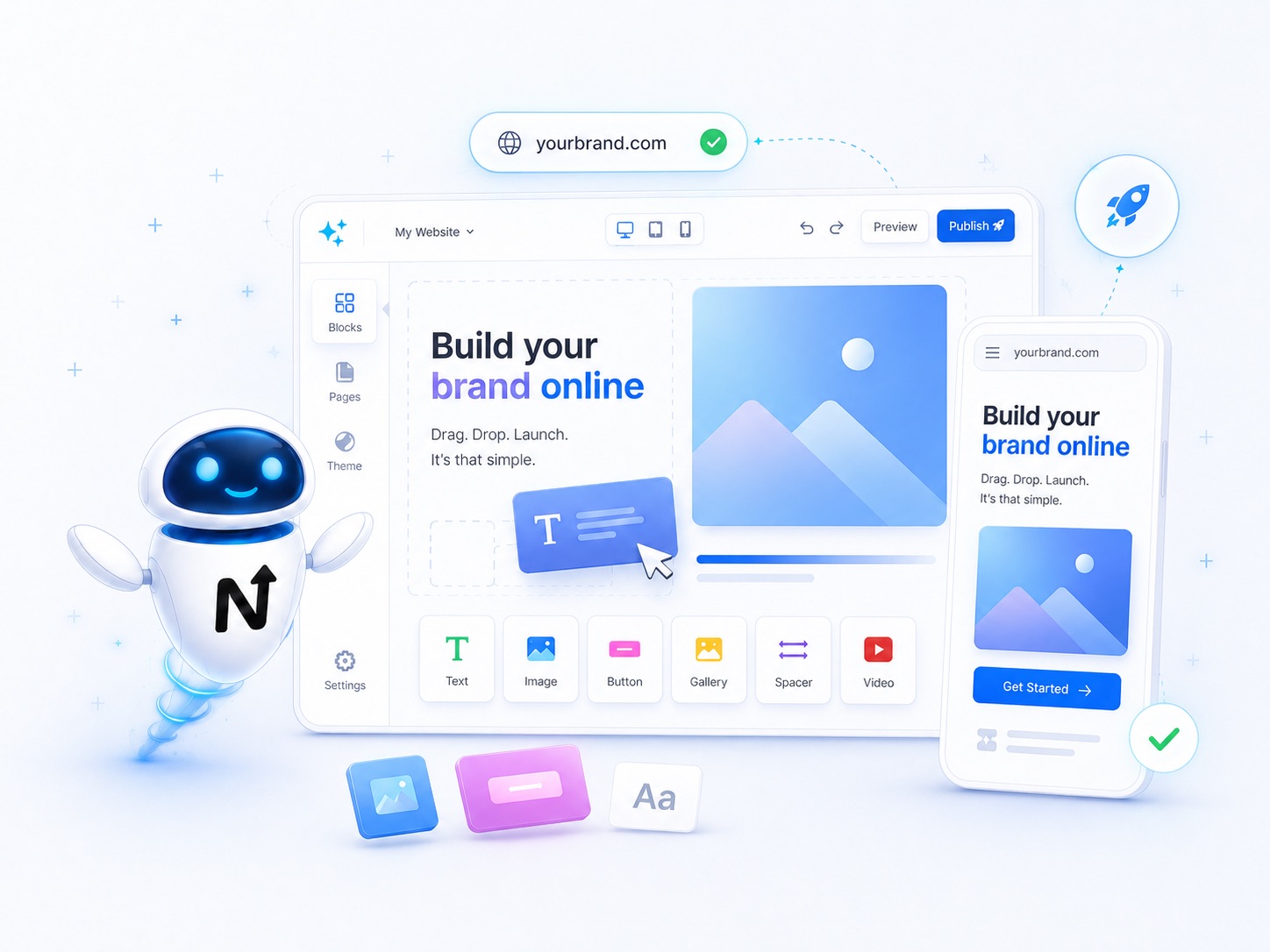
Website builders
AI website builders with drag-and-drop editing turn a simple prompt into a live, mobile-ready brand site in minutes - no developer required.
Build a website
Professional email
you@yourbrand.com on enterprise-grade email, set up the moment you own the domain. Calendar, drive and meetings included.
Set up emailFrequently Asked Questions
A trendy business name feels current and on-trend: it borrows the shapes and sensibilities, short coined words, stylized spellings, unexpected real words, modern compounds, and of-the-moment extensions, that read as modern right now, so the brand seems plugged in rather than dated. The best trendy names also rest on a trend with staying power rather than a passing fad, and they stay usable, easy to say, spell, and find, so the current feel actually works for the business. Feeling of the moment, built on a durable shift, and genuinely usable together are what make a name trendy in a way that lasts.
They overlap, but they aim at different things. A catchy name is built for instant recall, a creative name for an imaginative leap, a unique name for being one of a kind, a smart name for signaling competence, and a cool name for lasting style, while a trendy name is built to feel current, in step with the naming styles of the moment. A single strong name can be several of these at once, but when you are naming for trendy, the test is always whether the name feels modern now and rests on a trend that will last.
They can, and avoiding that is the central challenge of naming for trendy. A name built on a passing fad, a momentary meme, or a spelling that is spiking this season will usually feel dated within a few years, while a name built on a durable shift in how brands are named tends to stay current far longer. The way to keep a trendy name from dating is to ride a lasting trend rather than a momentary one, and to keep the fundamentals sound, easy to say, spell, and own, so the name still works even as fashions move on.
Choose the trend carefully and keep the basics solid. Favor the durable shifts, shorter names, modern extensions, fresh real words, over the suffix or spelling that is briefly everywhere, because a name built on a lasting move ages far better than one built on a fad. Then make sure the name is easy to say, easy to spell, and easy to own, since a name with strong fundamentals stays usable regardless of what is fashionable, and add a distinctive twist of your own so the name does not blend in with every other business chasing the same trend.
Yes, a matching domain is part of feeling current, because a mismatch reads as an afterthought and undercuts the modern impression a trendy name is meant to create. For most brands, though, "match" means a clean coined or respelled word on an exact .com, a tidy two-word .com, or a fitting current extension, rather than an expensive bare single word. What matters is that the address looks intentional and clearly belongs to the name, not that it is the shortest possible string.
You have several good options that keep the name current. You can lean into a coined or respelled variant, which often opens up a clean exact .com while keeping the modern feel. You can pair the name into a tidy two-word .com that still reads as one fresh idea. Or you can choose a fitting current extension where the ending becomes part of what makes the name feel of the moment. What rarely works is padding the address with filler words, extra letters, or hyphens, because a cluttered domain looks dated and undoes the modern impression the name was chosen to create.
Shorter is usually more current, because brevity is one of the defining trends in modern naming, and a brief name is easier to say, spell, remember, and fit on a logo or an app icon. One or two short words tends to be the sweet spot, though a slightly longer name can still work if it is easy to pronounce and reads as one clean idea. The real test is usability and feel, not a strict letter count.
Yes, because feeling current comes from the approach, not the industry. A coffee shop, a fintech app, a clothing line, a supplement brand, a software tool, and an AI startup can all have trendy names, and the same naming styles, coined, compound, respelled, real word, acronym, and evocative, apply across every one of them. What changes is which current shapes fit the brand's character and audience, which should always guide the choice.
Usually not, at least not literally, because a purely descriptive name is rarely distinctive and is often generic and hard to own. The stronger move for a trendy brand is a coined, respelled, or evocative name that feels modern and leaves room to grow, with at most a light hint of what you do. Many of the most current brands lead with a feeling or an invented word rather than a description, which reads as fresher and more ownable than a literal label.
Not directly, and it is worth being precise about this. A name and its domain do not, by themselves, raise your search rankings. What a current, memorable, ownable name does is strengthen the indirect signals that compound over time: more people searching for your brand by name, a higher click-through rate when they recognize it as the fresh option, more mentions and links because it feels modern and worth talking about, and more return visits because it is easy to remember.
More than you might expect, because the best trendy names usually appear only after you move past the obvious ones. Generating a wide range across several styles, then narrowing with a few simple tests, produces a far better final choice than settling on the first name that sounds current. A generator helps here by producing volume quickly, so you can explore widely before you commit.
The smartest next step
Your name is the first thing people will judge how current your brand feels by, so it is worth choosing one that feels genuinely of the moment and that you can own cleanly. The NextBrand trendy business name generator is free and unlimited, and it pairs advanced AI with proprietary algorithms to generate current, ownable names to your brief, complete with filters for length, style, and extension, logo-style previews so you can see each name as a brand, and instant checks on matching domains and social handles. You can shortlist and rank your favorites, share them with the people whose taste you trust, and the more you browse, the better it learns what you are drawn to, so claiming the right name is quick once you find it.
If you already have a name in mind and want an address that feels just as current, you can browse the NextBrand strategic domains collection to explore high-impact, brand-matching domains across categories and extensions, and secure an address as modern as the name itself.
Ready to find your name?
Pick your path and start exploring.
Related NextBrand Links