
Locksmith BusinessName Ideas
How to name a locksmith business -The Complete Guide
Explore locksmith business name ideas backed by real heritage manufacturer and modern smart-lock examples, six proven naming styles, and practical domain strategy for mobile, commercial, automotive, and multi-location locksmith founders.
A long-form guide to naming a locksmith business, with real brand examples, domain strategy, and practical patterns you can use to find a name that earns trust at the door, signals security and reliability, and scales from a single mobile van into a recognized residential, commercial, and automotive security brand.
Naming a locksmith business is one of the most consequential branding decisions in modern security services. The name appears on every van wrap, every uniform, every invoice, every key tag, every business card handed to a locked-out homeowner at midnight, every Google Business Profile, every review a customer leaves after an emergency call, and every conversation a property manager has when they recommend a reliable locksmith to a colleague. A stranded driver reads the name before they trust someone to touch their car. A homeowner locked out at night reads the name before they let a technician near their front door. A facilities manager reads the name before they hand over a master key system for an entire building. A new customer reads the name before they decide whether this is a legitimate, bonded, trustworthy operation or a fly-by-night that will overcharge them at their most vulnerable moment. The name is the locksmith brand's first argument to a category built entirely on trust, security, and the deeply personal act of granting a stranger access to your home, your car, or your business, and in a service where customers are often anxious, urgent, and wary of scams, that argument has to land flawlessly the first time.
Locksmith businesses compete in one of the most trust-sensitive and locally-driven categories in all of commerce. The broader lock and security category spans mobile and storefront locksmiths, residential rekeying and lockout services, commercial master key systems, automotive key cutting and transponder programming, safe and vault work, access control installation, smart lock integration, and emergency lockout response, alongside the manufacturers and technology brands whose products locksmiths install and service every day. Heritage manufacturers like Master Lock and Medeco have anchored generations of physical security, while modern brands like Latch, Level, Vivint, and August have rewritten the playbook for how locks, access, and home security get marketed and installed. If your locksmith business name is generic, confusing, or easy to mix up with the dozens of other locksmiths competing in the same city, you lose business at the moment customers are deciding who to call in an emergency. If your name is distinctive, confident, and clearly tied to the kind of trustworthy, professional security work you actually deliver, it starts compounding equity from the day your first van hits the road, your first storefront opens, or your first commercial account signs on.
This guide is built specifically for locksmith business founders. Whether you are launching a mobile residential locksmith service, a commercial locksmith and access control company, an automotive locksmith specializing in key programming, a storefront key shop, a safe and vault technician business, a smart lock installation service, an emergency lockout response operation, a multi-location locksmith franchise, or any other operation in the broader lock and security services category, the same naming principles apply. You need a name that reads as trustworthy on a van parked outside someone's home at night, looks right on a uniform and an invoice, works for a property manager recommending you to another building owner, and pairs with a domain that customers can actually find on the first try when they are searching in an emergency.
Throughout this guide you will see real brand examples from across the lock and security category. Some are heritage iconic manufacturers like Master Lock and Medeco that anchored entire categories of physical security across decades. Others are modern brands like Latch, Level, Vivint, SimpliSafe, and August that built devoted followings in the smart lock and home security era using distinctive names and clear brand positioning. A third group includes evocative security and access brands like Guardian, Nuki, and Kisi that defined modern positioning in the connected-access space. And a fourth group includes industry organizations like ALOA and SAVTA that built decades of institutional trust in the locksmith profession itself. Studying how each group named itself is one of the fastest ways to learn what actually works in locksmith and security branding, because the names that earned trust in a category where trust is everything are the ones that passed every test you will eventually face on your own.
By the end, you will have a clear way to evaluate your own ideas, a list of naming styles to work through, a realistic view of how to choose a domain, and a shortlist process for locking in the winner.
At a Glance
A strong locksmith business name usually sits at the intersection of three qualities.
The first is trust and legitimacy signal. Locksmith customers are, almost by definition, granting a stranger access to something they need to protect: their home, their car, their business, their safe. Many of them are calling in a moment of stress, locked out and anxious, and the category has a real and well-documented problem with scam operators who advertise low prices and then overcharge vulnerable customers on site. A name that reads as established, professional, bonded, and locally rooted does enormous work to separate a legitimate locksmith from the fly-by-night operations that have damaged the category's reputation. A name that feels generic, anonymous, or interchangeable with a hundred other listings loses the call at the exact moment trust matters most.
The second is local discoverability and memorability. Most locksmith business comes from local search, map listings, and word-of-mouth referrals within a service area. A customer locked out of their house types a few words into a phone and calls one of the first names they recognize and trust. A name that is easy to remember, easy to spell, easy to find in a local search, and easy to recommend to a neighbor compounds every time someone needs a locksmith and thinks of yours first. A name that blends into a sea of identical-sounding listings, or that customers cannot recall or spell after seeing it once, quietly loses business to whichever competitor is easier to find and remember.
The third is service-range fit. A locksmith business that grows will often expand across residential, commercial, automotive, safe work, and access control. The name has to work across all of those service lines without boxing the business into one. A name built narrowly around a single service ("[X] Car Keys") will fight the business when it expands into commercial master key systems or smart lock installation. The strongest locksmith names either signal the trustworthy security service broadly or carry no service limitation at all, leaving room for the business to grow into whatever the market rewards.
The strongest locksmith brands pass all three. They signal legitimacy and trust to an anxious customer, they are easy to find and remember in local search and referrals, and they leave room for the business to grow across every security service line. Most of this guide walks through how to get there.
Should your domain name match your locksmith business name?
Yes, and the bar is high in locksmithing because so much of the business depends on a customer finding you fast, in an emergency, and trusting what they find. A homeowner locked out at night types a name into a phone and needs to land on the right site immediately. A driver stranded with a dead key fob searches for the locksmith a friend mentioned and needs to find the exact match, not a competitor or a lookalike. A property manager researching a commercial locksmith for a building account checks the website before making a call that could be worth thousands of dollars in recurring work. A customer who got a business card after a good service experience types the name in later when they need another job done. Every one of those moments ends with someone typing a name into a phone or a computer. If the domain does not match the business name, you lose most of that traffic to competitors, directory aggregators, or simple confusion.
Locksmith businesses also operate in a category where the domain is part of the trust signal, and trust is the entire product. A clean, matching domain tells an anxious customer that this is an established, professional operation that has invested in itself, not a fly-by-night running off a free listing. A compromised, awkward, or obviously-second-choice domain sends the opposite signal at exactly the moment a wary customer is deciding whether to trust you with access to their property. In a category already burdened by scam operators, the credibility a clean domain provides is worth more than in almost any comparable local service.
The goal is a domain where the locksmith business name and the URL are the same words, or as close as possible. If the exact .com is out of reach, the next best options are a clean two-word .com that keeps the brand intact, a localized variant that pairs the brand with a city or region, or a clean alternative extension like .now that matches the immediacy and modern positioning of the business. The alt TLD section later in this guide walks through when each one fits for locksmith businesses specifically.
What you want to avoid is the trap of a distinctive locksmith name paired with a compromised domain. If the only URL you can get requires hyphens, numbers tacked on the end, or an awkward suffix like "locksmithservices" or "official," the brand will fight you every time a customer tries to type it after a service call, a property manager tries to reference it, or a referral tries to look you up. In a business where so much depends on quick, confident discovery by an anxious customer, that friction turns into real lost calls and real lost trust over the life of the business.
The short answer: if you can own the domain that exactly matches your locksmith business name, do it. If you cannot, reshape the name so you can.
Why a strong locksmith business name and domain are worth the effort
It is tempting to think of locksmith business naming as a small detail next to the real work of running vans, training technicians, and answering emergency calls. In the locksmith category, the name and the domain together drive outcomes that show up directly in call volume, local search ranking, referral frequency, commercial account wins, and how much it costs to acquire every new customer over the life of the business.
A strong name creates immediate online presence. When a customer hears about a locksmith from a neighbor, sees a van in the neighborhood, or gets a business card after a job, a clean matching domain means they can find the business in seconds when they need it. Established security brands like Master Lock, ADT, and Medeco anchored generations of customer trust partly because their names and their presences were instantly recognizable and easy to find.
A strong name signals authority from day one. A name that reads as professional and established on a van, an invoice, and a commercial proposal earns the benefit of the doubt from homeowners, property managers, and facilities directors alike. That benefit of the doubt converts into emergency calls answered, commercial accounts won, and customer trust that weaker-named operations would never even be considered for in a category where customers are screening hard for legitimacy.
A strong name is memorable and easy to share. Locksmith discovery travels heavily through word-of-mouth: a neighbor who had a good experience, a property manager who recommends a reliable vendor, a car dealership that refers customers for key work. A name a customer can text to a friend without misspelling, or mention confidently to a colleague, compounds every time someone needs a locksmith and thinks of yours. Names that require spelling, correction, or explanation quietly die in the gap between "I know a good locksmith" and actually passing along the name.
A strong name builds trust and brand loyalty over the full arc of a customer relationship. A homeowner who trusts a locksmith for a lockout calls the same company for a rekey when they move, a deadbolt upgrade, a safe installation, and a smart lock years later. A property manager who trusts a commercial locksmith routes every building in their portfolio to the same vendor. The business becomes the household's or the property manager's default for anything lock-related, and that is one of the strongest retention mechanics in local services.
A strong name also creates strong market positioning. In a category where dozens of locksmiths compete for the same local searches and the same emergency calls, the name is often the single most important differentiator at the moment a customer is deciding who to trust. A locksmith with a confident, professional, memorable name can win calls against equivalent competitors simply because the name reads as more legitimate, more established, or easier to remember and recommend.
All of this compounds into reduced marketing spend and lower customer acquisition cost. When your name does some of the work for you in local search, on the van, and in word-of-mouth referrals, the business does not have to spend as hard on paid local ads, directory placements, and lead-generation services to keep the calls coming. Locksmith businesses with weak, generic names spend more per customer to reach the same call volume, year after year. Over the life of a growing locksmith business, that gap becomes enormous.
What matters most when naming a locksmith business
Service-range clarity or service-range flexibility
Decide early whether your brand is single-service (automotive keys only, safes only) or full-service (residential, commercial, automotive, access control). A name like "[Brand] Auto Keys" will fight the business if it expands into commercial master key systems, while a broader name leaves room to grow. Pick a name that matches the service range you actually plan to grow into, not just the
service you happen to launch with. Most successful locksmith businesses eventually broaden, so a name that can carry the full range is usually the safer long-term choice.
The van test
Picture your proposed name on the side of a service van and on a technician's uniform shirt. Does it read cleanly from across a parking lot or a driveway? Does it look like an established, professional, trustworthy operation that a homeowner would feel safe letting through the door? A locksmith van is a rolling billboard and a trust signal at the same time, and a name that looks cluttered, amateur, or hard to read works against the business every time it is parked outside a customer's home.
The midnight lockout test
Picture an anxious customer, locked out of their home or car at night, scrolling a phone and deciding who to call. Does your name read as legitimate, local, and trustworthy at a glance? Does it stand apart from the generic, anonymous listings that customers have learned to distrust? Locksmith customers in an emergency are screening hard and fast for legitimacy, and a name that signals an established, professional operation wins the call over names that read as interchangeable or fly-by-night.
The local search test
Picture your name in a list of local locksmith results on a map or a search page. Does it stand out and read as trustworthy among a dozen competitors? Is it easy to spell so customers can find it again, and distinctive enough that it does not blur together with similarly-named operations? Most locksmith business starts with local search, and a name that is easy to find, easy to spell, and memorable has a structural advantage over generic names in every search a potential customer runs.
The commercial account test
Picture your name on a proposal for a commercial master key system, an office building access control project, or a property management vendor agreement. Does it read as credible and professional enough for a facilities director to hand you the keys to an entire building? Residential lockouts pay the bills, but commercial accounts and recurring work often drive the real growth, and a name that carries professional weight in a B2B proposal opens doors that a too-casual name cannot.
Trust and legitimacy cues
The locksmith category has a genuine reputation problem with scam operators, and customers are wary. A name that reads as established, local, and professional helps, while a name that sounds generic, anonymous, or like a directory placeholder can inadvertently trigger the same suspicion customers have learned to apply to the bad actors. Lean toward names that feel rooted, credible, and human rather than generic or interchangeable.
Pronounceability and spelling
A locksmith name gets spoken over the phone, recommended in conversation, and typed into a search bar by a stressed customer. A name that depends on an unusual spelling, a hard-to-pronounce word, or a clever twist that customers cannot reproduce will cost the business in every referral and every search. Test the name by saying it to someone over the phone and asking them to spell it and type it back.
Trademark and domain availability together
The strongest locksmith business names are the ones where the name, the .com or a strong alternative TLD, the social handles, and the local business listings are all clean in the same moment. A name whose matching .com is taken, whose Google Business Profile name collides with an existing local competitor, and whose trademark conflicts with a nearby operation is a name you will fight every day. Check the full package before committing.
Local collision check
Before committing, search your proposed name plus "locksmith" across Google, Google Maps, your state business registry, the USPTO trademark registry, and the major review platforms. Locksmith businesses are intensely local, and a name that reads as original in your head may already belong to a competitor in your own city or a nearby market, which would create both customer confusion and potential legal conflict. A fifteen-minute check up front can save months of rebrand pain later.
Locksmith business name ideas by naming style
Six proven approaches to naming your locksmith business, each with real examples and practical guidance.
Brandable locksmith business name ideas
Brandable security business names are invented or coined single words that carry no direct descriptive meaning but function as the whole brand. They are powerful in the lock and security category because the best coined names become shorthand for an entire product or service experience, and the distinctive single word does enormous work on a van, a uniform, a product label, and a local search listing where standing apart from generic competitors is half the battle.
Five real examples worth studying
- •Vivint at vivint.com:
is the American smart home and security company founded in 1999 in Provo, Utah, focused on professionally installed and monitored home security, automation, and smart access. The single-word coined brandable carries no prior meaning in English but functions as a distinctive six-letter mark across the brand's portfolio of security panels, cameras, smart locks, and monitoring services. The distinctive coined word has anchored Vivint's growth into a widely recognized home security brand, with the invented name giving the company an ownable identity that generic "home security" descriptors could never provide.
- •Allegion at allegion.com:
is the global security products company headquartered in Dublin, Ireland, spun off as an independent company in 2013 and home to leading door-hardware and lock brands including Schlage, LCN, and Von Duprin. The single-word coined
brandable, suggesting allegiance and protection without literally describing either, functions as a distinctive corporate mark across a portfolio sold in roughly 130 countries. The distinctive coined word has anchored Allegion's positioning as a serious global security manufacturer, demonstrating how an invented corporate name can unify a house of established product brands under one credible identity.
- •Abloy at abloy.com:
is the Finnish lock and access brand, now part of the global ASSA ABLOY group, known for high-security disc detainer cylinders and durable commercial locking hardware. The single-word coined brandable, derived from an abbreviation of the original Finnish company name, functions as a distinctive five-letter mark with strong engineering and high-security connotations across professional locksmith and commercial channels. The distinctive coined word has anchored Abloy's reputation as a premium high-security brand among professional locksmiths and security specialists worldwide.
- •Lockly at lockly.com:
is the American smart lock brand focused on keyless entry products featuring patented anti-peep keypads, fingerprint readers, and connected access. The coined brandable joins the category root "lock" with a soft "ly" suffix to create a distinctive, approachable mark that signals exactly what the product secures while still functioning as an ownable brand name rather than a generic descriptor. The distinctive coined word has anchored Lockly's positioning in the consumer and luxury smart lock market, showing how a category root can be shaped into a brandable mark with a light, modern suffix.
- •Igloohome at igloohome.com:
is the smart lock and access brand known for offline-capable keyless entry products that generate time-sensitive PIN codes without requiring constant connectivity. The coined brandable joins the shelter-and-security image of "igloo" with the universal "home" word into a distinctive, memorable mark that signals protection and domestic security in a single coined identity. The distinctive coined word has anchored igloohome's positioning in the smart access market, demonstrating how an unexpected but evocative root can produce a brandable name that stands apart from a sea of literal lock-and-key descriptors.
Brandable names in locksmith and security businesses are slower to build recognition for than descriptive names, but deeply valuable once established, because they give the business an ownable identity that no competitor can copy and no directory can dilute. They work best for security businesses with ambitions beyond a single local market, where the invested brand-building pays off over time, rather than for a single-van operation relying entirely on local search where a clearer, more descriptive name may convert faster in the early days.
Compound locksmith business name ideas
Compound security business names pair two or more words into a readable brand. This is one of the most common and effective styles in the lock and security category, because the
format signals exactly what the business does or protects while still creating an ownable, memorable mark that reads naturally on a van, an invoice, a product, and a local listing.
Five real examples worth studying
- •Master Lock at masterlock.com:
is the iconic American padlock and security products manufacturer founded in 1921 by locksmith Harry Soref in Milwaukee, Wisconsin. The two-word compound joins the authority-signaling word "Master" with the category word "Lock" into a mark that has become almost synonymous with padlocks themselves across more than a century of commerce. The compound has anchored Master Lock's position as one of the best-known names in physical security, with the combination of mastery and locking communicating both expertise and exactly what the product does in two simple words.
- •SmartRent at smartrent.com:
is the American smart home and access technology company focused on enterprise smart access and home automation for multifamily rental properties and property managers. The two-word compound joins the technology-signaling "Smart" with the real-estate word "Rent" to communicate exactly which market the company serves and what it delivers. The compound has anchored SmartRent's positioning in the multifamily proptech and access control market, demonstrating how a compound can target a specific vertical clearly while still functioning as a distinctive brand.
- •LiftMaster at liftmaster.com:
is the American brand of garage door openers, gate operators, and access control products widely installed and serviced across residential and commercial properties. The two-word compound joins the action word "Lift" with the authority-signaling "Master" to communicate both the product function and a sense of expertise. The compound has anchored LiftMaster's position as a leading access-and-entry brand in the garage and gate category, showing how pairing a function word with a mastery word produces a name that signals both capability and category.
- •SentrySafe at sentrysafe.com:
is the American brand of fire-resistant and security safes for home and office, protecting documents, valuables, and firearms. The two-word compound joins the guardian image of "Sentry" with the category-and-reassurance word "Safe," which does double duty as both the product (a safe) and the promise (keeping things safe). The compound has anchored SentrySafe's positioning in the consumer safe market, demonstrating how a compound can carry both a vivid protective image and a literal product description at once.
- •FrontPoint at frontpointsecurity.com:
is the American home security company focused on do-it-yourself professionally-monitored security systems with a customer-service-led brand positioning. The two-word compound joins "Front" with "Point" to suggest a forward guard position and a first line of defense, creating an ownable mark that signals protection without resorting to generic security vocabulary. The compound has anchored FrontPoint's positioning in the DIY home security market, showing how two ordinary words can combine into a defensive image that feels both professional and memorable.
Compound names are the safest, most broadly effective default for new locksmith and security businesses, because they communicate exactly what the business does or protects while still producing an ownable, memorable mark. They are also among the easiest to secure matching domains around, because the two-word combination often produces an available URL when a single descriptive word would be long gone.
Alt Spelling locksmith business name ideas
Alt spelling security business names intentionally modify standard spelling to create a distinctive, ownable, trademark-friendly mark. In the lock and security category this often shows up as phonetic respellings, dropped or swapped letters on category words, and stylized constructions that keep the meaning recognizable while making the name uniquely the brand's own.
Five real examples worth studying
- •Kwikset at kwikset.com:
is the iconic American residential lock and door hardware brand founded in 1946, known for affordable, widely-available deadbolts, knobs, and rekeyable lock technology. The alt-spelled compound respells "Quick" as "Kwik" and joins it with "set" to create a distinctive, phonetic mark that signals fast, easy installation while standing apart from any literal spelling. The styled mark has anchored Kwikset's position as one of the most widely-installed residential lock brands in North America, with the deliberate misspelling making the name instantly ownable and trademarkable.
- •SimpliSafe at simplisafe.com:
is the American home security company founded in 2006, focused on wireless, self-installed, professionally-monitored security systems. The alt-spelled compound respells "Simply" as "Simpli" and joins it with "Safe" to communicate exactly the brand promise (simply safe) while creating a distinctive, ownable mark. The styled mark has anchored SimpliSafe's growth into a widely recognized DIY home security brand, demonstrating how a phonetic respelling of a common adverb can turn a plain promise into a distinctive brand name.
- •Mul-T-Lock at mul-t-lock.com:
is the Israeli-founded high-security lock manufacturer, now part of the ASSA ABLOY group, known for patented high-security cylinders and key control systems used in commercial and high-end residential applications. The alt-spelled construction renders "Multi-Lock" as "Mul-T-Lock," using the hyphenated, capital-T styling to create a distinctive mark that signals multiple security features while standing apart visually. The styled mark has anchored Mul-T-Lock's reputation as a premium high-security brand among professional locksmiths, showing how a stylized respelling of a descriptive term produces a distinctive, protectable identity.
- •Ultraloq at ultraloq.com:
is the American smart lock brand by U-tec, focused on keyless entry products with fingerprint, code, and smartphone access. The alt-spelled compound joins the intensifier "Ultra" with "loq," a respelling of "lock," to create a distinctive, modern mark that keeps the category meaning while making the name uniquely ownable. The styled mark has anchored Ultraloq's positioning in the consumer smart lock market,
demonstrating how respelling the category word itself can produce a contemporary, trademarkable brand.
- •eufy at eufy.com:
is the smart home and security brand under the Anker family of companies, focused on cameras, video doorbells, and smart locks with local-storage, no-subscription positioning. The alt-spelled coined mark, styled in all-lowercase and built from an invented, euphonious construction, creates a distinctive, modern identity that signals approachable consumer technology. The styled mark has anchored eufy's positioning in the smart home security market, showing how an invented, deliberately-styled spelling can produce a clean, ownable brand in a crowded category.
Alt spelling in locksmith and security businesses works best when the respelling keeps the meaning instantly recognizable while making the name uniquely the brand's own, which is especially valuable in a category where generic descriptive terms are impossible to trademark or own. The risk is overdoing it: a respelling so aggressive that customers cannot spell or pronounce the name will cost the business in referrals and searches, so the strongest examples keep the deviation light and the meaning clear.
Real Word locksmith business name ideas
Real word security business names use a single common English word as the brand. The upside is instant recognition and a strong, clear image. The downside is that the most valuable single words are long gone, and the brand has to work hard to own a common word in search and in customer memory. In the lock and security category, the strongest real-word brands choose words that carry a built-in security, access, or protection association and pair the word with serious product execution.
Five real examples worth studying
- •Latch at latch.com:
is the American smart access and building technology company founded in 2013 in New York City, focused on smart locks, intercoms, and access management for residential and commercial buildings. The single real-word brand uses the everyday word for a door fastening, which carries an immediate, literal access-and-security association while still functioning as a clean, ownable brand. The distinctive mark has anchored Latch's positioning in the enterprise and multifamily access market, demonstrating how a perfectly on-category real word can become a distinctive brand when paired with a clear product focus.
- •Level at level.co:
is the American smart lock company founded in 2016 in Redwood City, California, known for "invisible" smart locks that fit inside a standard deadbolt with no external hardware. The single real-word brand uses a common word suggesting balance, sophistication, and a flush fit, which complements the brand's design-led, hidden-hardware positioning. The distinctive mark has anchored Level's positioning in the premium smart lock market, showing how a real word with the right connotations can reinforce a brand's design philosophy while remaining clean and ownable.
- •Ring at ring.com:
is the American home security company known for video doorbells and connected security cameras, now part of Amazon. The single real-word brand uses the everyday word for both the action of a doorbell and a circle of protection, a double meaning that perfectly fits a doorbell-centered security brand. The distinctive mark has anchored Ring's growth into a widely recognized home security brand, demonstrating how a real word that captures both a product action and a protective image can become a category-defining identity.
- •August at august.com:
is the American smart lock brand, now part of the ASSA ABLOY group, known for retrofit smart locks that fit over existing deadbolts. The single real-word brand uses a word that means both a month and, in its adjective sense, "respected and impressive," lending the brand a sense of quality and dignity beyond the literal. The distinctive mark has anchored August's positioning in the consumer smart lock market, showing how a real word with an elevated secondary meaning can give a security product a premium, trustworthy feel.
- •Canary at canary.is:
is the American home security brand operated by Canary Connect, Inc., known since 2015 for all-in-one indoor security cameras with motion alerts, a built-in siren, and connected monitoring. The single real-word brand uses the everyday word for the small bird historically carried into coal mines as a living early-warning system, a built-in association with vigilance and threat detection that fits a security product perfectly. The distinctive mark has anchored Canary's positioning in the consumer home security camera market, demonstrating how a real word carrying a deep cultural association with early warning can become a memorable, on-category security brand.
Real word security business names work best when the chosen word carries a built-in protection, access, or vigilance association and the business can invest in owning that word in its market over time. The challenge is almost always availability and distinctiveness, since the most on-category single words have been claimed, which is why many strong real-word security brands pair the word with a category descriptor or a strong alternative extension when the bare single-word .com is out of reach.
Acronym locksmith business name ideas
Acronym security business names compress a longer descriptive or institutional name into a short, portable set of initials. In the lock and security category this pattern is unusually common among manufacturers, monitoring companies, and the professional trade associations that certify and represent locksmiths, where long formal names have been compressed into marks that carry decades of institutional credibility.
Five real examples worth studying
- •ADT at adt.com:
is the American security and monitoring company whose initials derive from American District Telegraph, the nineteenth-century messenger and alarm signaling business it grew from. The three-letter acronym has become one of the most recognized names in home and commercial security monitoring, with the short, memorable mark appearing on yard signs, window decals, and monitoring contracts across millions of properties. The acronym has anchored ADT's position as a household name in security, demonstrating how a set of initials from a long historical name can become a trusted, instantly-recognizable brand.
- •ALOA at aloa.org:
is the Associated Locksmiths of America, now operating as ALOA Security Professionals Association, a major locksmith trade organization in North America, founded in 1955 and based in Dallas, Texas. The four-letter acronym represents thousands of locksmiths and security professionals and conducts the proficiency certifications, continuing education, and the major industry convention that anchor the profession. The acronym has anchored ALOA's role as the institutional backbone of the locksmith trade, showing how a professional association's initials become a credibility marker that members display to signal legitimacy.
- •HID at hidglobal.com:
is the global access control and secure identity brand, part of the ASSA ABLOY group, known for card readers, credentials, and physical access control systems used across commercial, government, and institutional facilities. The three-letter acronym, derived from the company's origins in identification technology, functions as a tight, technical mark trusted by security integrators and facilities managers worldwide. The acronym has anchored HID's position as a leading access control brand, demonstrating how a compact set of initials can carry serious institutional and technical credibility in the commercial security space.
- •Medeco at medeco.com:
is the American high-security lock manufacturer founded in 1968, known for patented high-security cylinders and key control used in demanding commercial, government, and institutional applications. The brand name is itself a compressed construction from Mechanical Development Company, functioning as a portable, ownable mark with strong high-security connotations among professional locksmiths. The mark has anchored Medeco's reputation as a premium high-security brand, showing how compressing a descriptive company name into a coined, acronym-style word produces a distinctive professional identity.
- •SAVTA at savta.org:
is the Safe and Vault Technicians Association, the professional organization for safe and vault specialists, now operating as a division within the ALOA family of organizations. The acronym represents the technicians who specialize in safes, vaults, and safe-deposit work, and anchors the certifications and the dedicated convention that serve this specialty within the broader locksmith profession. The acronym has anchored SAVTA's role as the institutional home for safe and vault specialists, demonstrating how a focused professional association's initials become a credential marker within a specialized trade.
A note on acronyms:
Acronyms are a strong naming pattern for security businesses with a real institutional history, a long descriptive company name to compress, or a professional-credentialing role to signal. The five acronym brands above all earned their marks through genuine history and institutional credibility. The cross-page standout is MS.now, the new name of the news network formerly known as MSNBC, rebranded as part of the Versant spin-off from NBCUniversal. MS.now is not a security brand, but it is worth studying as a pattern for how a .now extension can refresh an older acronym and signal a modern repositioning, which is exactly the kind of move a legacy security or locksmith acronym could consider if it ever needed a more contemporary feel. For a new locksmith business starting from scratch without an institutional history or a long name to compress, leading with an acronym is usually a mistake, because a set of initials with no story behind it is hard for customers to remember, hard to find in local search, and carries none of the trust signal that the established acronyms earned over decades.
Evocative locksmith business name ideas
Evocative security business names create a feeling, image, or association of protection, vigilance, or trust without literally describing locks or keys. This is one of the most effective patterns in the security category, because a name that evokes safety and guardianship communicates the brand's core promise emotionally, which matters enormously to customers who are deciding whom to trust with access to what they value most.
Five real examples worth studying
- •Guardian at guardianprotection.com:
anchors a brand built around the image of a protector standing watch, one of the most resonant guardianship words available in the security space. The evocative word communicates protection, vigilance, and trust without describing any specific product or service, which lets the brand span monitoring, alarms, and broader security. The evocative mark has anchored the Guardian name's positioning in the home and commercial security market, demonstrating how a single guardianship word can carry a security brand's entire emotional promise.
- •Nuki at nuki.io:
is the Austrian smart lock brand, recognized as a leading European keyless-access company, known for retrofit smart locks and a strong design and privacy focus. The coined evocative mark is short, friendly, and approachable, signaling ease and modern convenience rather than the heavy, institutional tone of traditional lock brands. The evocative mark has anchored Nuki's positioning as a design-led consumer smart lock brand, showing how a soft, evocative coined name can make security feel accessible and human rather than industrial.
- •Kisi at kisi.com:
is the American cloud-based access control company focused on mobile and cloud-managed door access for offices and commercial spaces. The coined evocative mark, short and phonetically playful on the idea of a "key," signals modern, frictionless access while reading as approachable and contemporary. The evocative mark has anchored Kisi's positioning in the cloud access control market, demonstrating how a short, evocative name that gestures lightly at "key" can feel both on-category and refreshingly modern.
- •Salto at saltosystems.com:
is the Spanish-founded global access control and electronic locking company, known for keyless, wire-free smart locking systems for commercial, hospitality, and institutional use. The evocative mark uses a word meaning "leap" or "jump," suggesting a leap forward in access technology, which positions the brand as forward-looking without describing locks literally. The evocative mark has anchored Salto's positioning as a leading commercial electronic access brand, showing how an evocative word suggesting progress can differentiate a security company in a technical, competitive category.
- •Verisure at verisure.com:
is the European-founded professionally-monitored alarm company, launched under the Verisure brand in 2009 and operating across many countries in Europe and Latin America with monitored security for homes and small businesses. The coined evocative mark fuses the sense of "verify" with "sure," evoking certainty and confirmed protection rather than describing any single product. The evocative quality has helped anchor Verisure's positioning as a widely recognized monitored-security brand, demonstrating how a name built from the feeling of certainty and reassurance can communicate a security brand's core emotional promise without naming a lock, alarm, or camera at all.
Evocative names are especially effective for locksmith and security businesses with a clear emotional positioning around protection, trust, or modern convenience, because the security category is fundamentally about how safe a customer feels. For a local locksmith relying heavily on search, an evocative name usually works best when paired with enough context that customers still understand it is a locksmith, so the emotional signal of the name reinforces rather than replaces clarity about the service.
Domain strategy: standard registration vs. premium domains
Once you have a name in mind, the next real decision is how you actually acquire the domain that will carry it. In locksmith businesses specifically, this comes down to a choice between two paths: registering a clean standard domain at registrar prices, or acquiring a premium domain that has already been claimed and is held as a brand-grade asset. Each path has a different cost, a different timeline, and a different long-term effect on the locksmith business's brand.
When a standard registration is enough.
A standard registration is the right call when you have invented a distinctive enough name that the exact match is still freely registerable, when the locksmith business is launching as a single mobile van or local shop where every dollar of startup capital matters, or when you are building a primarily local operation whose customers come through map listings, local search, and neighborhood word-of-mouth rather than broad cold-traffic discovery. If your name is a coined brandable, an unusual two-word compound, or a stylized variant that has not been registered before, a clean standard registration can carry the locksmith business through every important brand surface without compromise. This is how most independent local locksmiths launch, and it is a perfectly sensible choice when the trust-building work is happening through reviews, referrals, and local reputation rather than national brand awareness.
When a premium domain is the smarter move.
A premium domain is the smarter move when the locksmith business is being built to dominate a metro market or expand across multiple locations, when the founders want a name that competes credibly with the most established and trusted security brands in the area, or when the exact name you genuinely want is already registered, which is common for short, memorable, security-relevant names. Premium domains tend to be short, easy to spell, easy to say over the phone (which matters enormously for a business that takes emergency calls), and immediately recognizable as a real, established brand rather than a registrar-grade compromise. For a locksmith competing for trust against entrenched local competitors and wary customers, a premium domain can close the credibility gap quickly in a way that is hard to achieve otherwise.
The tradeoffs in practice.
The decision affects almost every dimension of how the locksmith business will be perceived and how it will perform commercially. Trust rises sharply with a clean, short, exact-match domain because customers, especially anxious ones screening for legitimacy, read the URL as a signal of how established and professional the business is, which carries enormous weight in a category plagued by scam operators. Memorability is a function of length and simplicity, and premium domains are almost always shorter and cleaner than what is still available as a standard registration, which matters when a customer is trying to recall your name later or pass it to a friend. Brand strength compounds over the life of the business, and a strong domain becomes inseparable from the brand on every van, invoice, and proposal. Discoverability in local search and direct typing favors short, exact-match domains. Direct traffic from word-of-mouth, business cards, and van impressions all routes through whatever URL the customer can guess or recall. Long-term positioning in a competitive local market is permanently shaped by the domain customers associate with the business. Conversion potential from a worried first-time caller to a booked job is meaningfully higher when the URL itself signals an established, trustworthy operation rather than a fly-by-night.
Practical guidance for locksmith businesses.
The right call usually depends on where the locksmith business sits on the ambition curve. A single-van local operator or a part-time mobile locksmith can often build a strong, trusted local brand on a clean standard registration of a distinctive enough name, leaning on reviews and referrals to build credibility. A locksmith business aiming to dominate a metro market, win major commercial accounts, or expand across multiple locations almost always benefits from investing in a premium domain upfront, because every year the business operates without one is a year of compounded credibility cost in a category where trust is the entire product. The cost of a premium domain is a one-time investment. The cost of operating on a compromised domain is a recurring tax on every anxious customer who has to decide, in a few seconds, whether to trust you with access to their home.
How to choose the right domain extension
Domain extensions are not interchangeable. Each one carries signals that customers pick up subconsciously, and the right choice depends on the positioning of your locksmith business. The .com extension remains the strongest default for locksmith businesses that want maximum reach, recognition, and trust across every audience, including anxious first-time callers, commercial account decision-makers, and conservative customers who treat .com as the default for an established business. Alternative extensions like .now and others each carry their own meaning, and the right alt TLD can outperform a compromised .com when the extension matches the locksmith business's positioning and the brand-matching exact words are available there. Below we walk through the extensions that matter most for locksmiths, with both real .com pairings worth studying and strong brand-matching alternative TLD pairings worth studying that show how different extensions can communicate distinct brand positions in the modern security landscape.
Readable .com pairings worth studying
• Master Lock at masterlock.com:
Demonstrates how a heritage security manufacturer can hold a clean exact-match .com that reads exactly as the brand is spoken. The ten-letter URL anchors the brand's position as one of the most recognized names in physical security and has been central to Master Lock's consumer, commercial, and retail presence across more than a century of commerce.
• SimpliSafe at simplisafe.com:
Demonstrates how a modern security brand can secure an exact-match .com built around a distinctive, ownable styled name. The URL reads exactly as the brand is spoken and has been central to SimpliSafe's direct-to-consumer growth in the DIY home security market.
• Latch at latch.com:
Demonstrates how a brand built on a perfectly on-category real word can secure the clean single-word .com that matches it exactly. The five-letter URL reads exactly as the brand is spoken and has anchored Latch's positioning in the enterprise and multifamily access market.
• Vivint at vivint.com:
Demonstrates how a coined brandable secures a clean exact-match .com that gives the company a fully ownable identity. The six-letter URL reads exactly as the brand is spoken and has been central to Vivint's growth into a widely recognized home security brand.
• SwiftControl at SwiftControl.com:
A strong example of the access-control-positioning .com worth studying for locksmith and security businesses specifically. The compound joins the speed-signaling word "Swift" with the security-and-access word "Control" into a brand-and-URL combination that signals rapid, reliable command over access, fitting either an emergency-response locksmith promising fast service or a modern access control installation business. For a commercial locksmith and access control company, a rapid-response mobile locksmith, a smart access integration business, a gate and entry automation service, or any modern security business positioning around fast, dependable control of access, the pattern shows how a tight, professional compound on a clean .com can carry an entire security brand identity without resorting to hyphens, numbers, or generic "locksmithservices" suffixes.
Strong alternative TLD pairings worth studying
• SmartLock.now:
Captures the modern smart-lock and connected-access positioning with the immediacy signal of the .now extension. For a smart lock installation and integration business, a connected-access locksmith modernizing from traditional hardware, a keyless-entry specialist, a smart home security installer, or any locksmith business positioning around the shift from mechanical keys to smart, app-controlled access, SmartLock.now does enormous positioning work before a customer reads a single line of copy. The pairing reads as modern, technical, and built for the keyless-access era, while the .now extension signals both immediacy (smart access, right now) and a clean, contemporary brand suffix that sets the business apart from traditional locksmith naming. For a locksmith leaning into the smart-lock transition, the pattern is one of the most direct ways to signal modern positioning in the URL itself.
• MySecurity.now:
Captures the personal, protective relationship at the heart of the security category, with the possessive "My" paired with the immediacy of .now. For a residential security and locksmith business, a personal-protection-focused service, a home security installation company, a monitoring-and-access business, or any security operation whose positioning leans into the personal, my-home-my-safety relationship that anchors every customer's emotional connection to security, MySecurity.now reads as personal, reassuring, and built for how customers actually think about protecting what is theirs. The phrase "my security" is one of the most natural possessives in the category, and pairing it with the immediacy of .now produces a brand-matching URL that signals personal ownership of safety, modern convenience, and present-tense protection all at once.
• Protection.now:
Captures the entire security promise in a single real word paired with the immediacy of .now. For a full-service security and locksmith business, a home and commercial protection company, a monitoring-and-response service, a broad security brand spanning locks, alarms, and access, or any security operation whose positioning leans into protection as the core promise rather than any single product, Protection.now reads as broad, reassuring, and immediately clear about what the business delivers. "Protection" is one of the most powerful and universal words in the security category, and pairing it with the immediacy of .now produces a brand-matching URL that signals comprehensive safety and present-tense readiness. For a security business that wants the broadest possible positioning under one memorable word, the pattern is one of the most direct emotional signals available on the alt TLD landscape.
• ALOA at aloa.org:
Represents the locksmith profession's most important industry .org, hosting the Associated Locksmiths of America (now ALOA Security Professionals Association), a major locksmith trade organization in North America. Founded in 1955 and based in Dallas, Texas, ALOA represents thousands of locksmiths and security professionals, conducts the proficiency certifications and continuing education that define professional standards in the trade, and runs the major industry convention and security exposition. The .org extension signals the non-profit, standards-setting, professional-credentialing role that ALOA plays across the entire locksmith profession, and it carries the exact right signal for any locksmith trade organization, certification body, professional association, or non-commercial entity operating inside the broader security profession. For locksmiths, ALOA membership and its credentials are among the clearest legitimacy signals available in a category where proving legitimacy is half the battle.
• Blocked.io:
Captures the protection and access-control side of the security category with a short, memorable word on a technical .io extension. For a smart access platform, a lockout prevention product, an access control dashboard, a locksmith software tool, a security monitoring product, or any modern security business focused on preventing unauthorized entry, Blocked.io reads as sharp, protective, and technology-forward. The word "blocked" naturally signals stopping access, preventing entry, and protecting what should stay closed, while the .io extension gives the pairing a modern software and security-infrastructure feel that suits a tech-driven security brand. It is a clean example of how a single decisive word on a technical extension can communicate an entire access-and-protection positioning in one short, ownable pairing.
Locksmithing is a category where most businesses default to .com and a localized name, which is exactly why a clean, modern alt TLD can stand out. For a locksmith business positioning itself around smart access, personal security, or broad protection, the right alt TLD can carve out a memorable, modern identity that sets the business apart from a sea of generic local listings, while a technical extension like .io can signal a software-and-infrastructure edge and the profession's .org institutions remain the anchor of trade-level credibility.
Shortlist the strongest names
Once you have explored the naming styles above and generated real candidates, the shortlist is where discipline matters most. Most first-time locksmith business founders settle on the first name that sounds reasonable and miss the chance to find something genuinely stronger and more trustworthy. The goal of the shortlist phase is to narrow ten to fifteen candidates to one or two finalists that pass every test you care about.
Start by writing each candidate on a mock van, a mock uniform shirt, and a mock invoice. Names that look professional and trustworthy across all three are the ones worth keeping. Names that only work in one format, or that look cluttered or amateur on a van, are rarely worth the compromise over the life of a locksmith business whose vehicles are its most visible marketing.
Then run each candidate through the spoken-and-spelled test. Say the name to several people over the phone, the way an emergency customer would hear it, and ask them to spell it and type it into a search bar. If they can reproduce it accurately, the name will travel through phone referrals and searches without friction. If they hesitate, mishear, or misspell it, take it off the list, because a locksmith name that customers cannot reproduce loses calls.
Third, check the domain, the Google Business Profile name, and the social handles simultaneously. A name where the .com is gone, the Google Business Profile collides with an existing local locksmith, and the social handles are taken is a name you will fight every day in the exact channels where locksmith customers find you. Finalists should have a realistic path to owning their presence across local search, maps, and the web.
Fourth, run the local collision check hard. Search your finalist candidates plus "locksmith" across Google, Google Maps, your state business registry, the USPTO trademark registry, and the major review platforms. Locksmith businesses are intensely local and trust-driven, and a name too close to an existing competitor in your market creates customer confusion and potential legal conflict. A fifteen-minute collision check before commitment saves months of rebrand pain and protects the local reputation you are about to start building.
Fifth, test the fit with the actual customer and service range. Imagine the name answering the phone at midnight for a lockout, appearing on a commercial access control proposal,
and being recommended by a property manager. Does it set the right tone of trust and professionalism across all of those moments? Does it leave room for the service lines you plan to grow into? Names that are clever but cold, or that box the business into a single service, fail this test and quietly cost trust and flexibility over time.
Finally, trust your gut on one dimension: would you be proud to put this name on a van and say it to a customer for the next fifteen years? A locksmith business is a long relationship between the brand and the community it serves, built one trusted job at a time. The best locksmith brands belong to founders who are proud to say the name and confident it earns trust on sight. If you hesitate, or feel the need to explain or apologize for the name, it is not the right one.
Common mistakes to avoid
Over years of watching locksmith and security businesses launch, grow, and rebrand, a handful of naming mistakes show up again and again. Avoiding them does not guarantee a great name, but it removes the most common reasons locksmith brands underperform.
Sounding generic or interchangeable.
The locksmith category is full of names built from the same small pool of words: lock, key, safe, secure, fast, pro, 24-hour. A name assembled from these alone blends into a sea of identical listings and, worse, can read like the generic placeholder names that scam operators use, triggering the exact suspicion you want to avoid. The strongest locksmith names find a distinctive angle, whether a coined brandable, an evocative protective image, or a memorable compound, rather than stacking generic security words.
Boxing the business into one service.
A name like "[Brand] Car Keys" or "[Brand] Lockouts" will fight the business the moment it expands into commercial work, safes, or access control. Most successful locksmith businesses broaden their services over time, so a name that locks you into a single line should be avoided in favor of one that can carry the full range, unless you are genuinely committed to a narrow specialty for the long term.
Choosing a name customers cannot spell or say.
A locksmith name gets heard over the phone by stressed customers and typed into search bars from memory. A name with an unusual spelling, a hard-to-pronounce word, or a clever twist that customers cannot reproduce will quietly cost the business in every referral and search. Test every finalist by saying it aloud and asking people to spell it back.
Triggering scam-wariness with an anonymous name.
Customers have been trained to distrust generic, anonymous-sounding locksmith listings because of widespread scam operations. A name that sounds like a directory placeholder, with no human, local, or distinctive quality, can inadvertently read as untrustworthy. Lean toward names that feel rooted, established, and human rather than generic and faceless.
Ignoring the local and trademark landscape.
Locksmith businesses are intensely local, and a name too similar to a competitor in your own market creates both customer confusion and legal risk. A clean search across Google Maps, your state registry, and the USPTO trademark database should be table stakes before committing, and consulting a trademark attorney is worthwhile before you invest in branding, signage, and van wraps.
Leaving the domain question to the end.
By the time the locksmith business has ordered van wraps, printed uniforms, and set up the phone line, the domain situation is often locked in. Founders who leave the URL decision to the end usually end up with compromised domains they regret, which matters in a category where anxious customers judge legitimacy partly by the web presence. Bring the domain check to the front of the process, not the back.
Overusing numbers and symbols for "24/7" signaling.
Many locksmiths cram "24," "247," or "365" into the name to signal availability, but these often create awkward, hard-to-recall domains and generic-feeling brands. Availability is better communicated in the tagline and the listing than baked into a name that will feel dated and cluttered as the business grows.
Picking a name that cannot scale beyond the founder's town.
A name built tightly around a single neighborhood or town ("[Specific Suburb] Locksmith") can limit the business if it expands to nearby markets or a whole metro area. If you have any ambition to grow beyond one locality, choose a name that can travel, and let the local search optimization, rather than the brand name itself, handle the geographic targeting.
How to get better results from a name generator
A modern AI name generator can surface hundreds of viable locksmith business name candidates in the time it would take to brainstorm a dozen on your own. But getting the best results requires knowing how to input your goals, how to filter the outputs, and how to iterate toward a final shortlist.
Start with specific inputs about the locksmith business. The more the tool knows about your positioning, the sharper the candidates it returns. Tell the generator what kind of locksmith business you are launching (mobile residential, commercial and access control, automotive, safe and vault, smart lock installation, full service), what your service area looks like, who your target customer is (homeowners, property managers, businesses, drivers), what tone you want (established and traditional, modern and tech-forward, friendly and local), and whether you plan to stay local or expand. Vague inputs produce generic outputs. Specific inputs produce names that actually fit the locksmith business you are building.
Use the advanced filters rather than scrolling through raw lists. The strongest tools let you constrain by naming style, by syllable count, by initial letter, by domain availability, and by
extension preferences. A shortlist filtered by style and domain is far more useful than a long unfiltered list, especially in a category where the name has to pass the van test, the local search test, and the trust test all at once.
Pay attention to the brandable previews. NextBrand shows how each name would look as a logo mark before you commit to anything, which is especially useful for a locksmith business where the brand will live on van wraps, uniform shirts, key tags, yard signs, and invoices. A name that does not render well as a clean, trustworthy mark is a name that will work against the business on every physical surface, no matter how it sounds.
Use the shortlist feature aggressively. Save every candidate that passes your first read, then come back a day later with fresh eyes. Most names that feel clever on first read lose their shine overnight, while the ones that still feel trustworthy and professional in the morning are usually the ones worth pursuing.
Run availability checks as you go. The generator's real-time domain and social handle checks remove the biggest single source of wasted effort, which is falling for a name whose domain or local listing is unavailable. Filtering the shortlist to names with clean availability saves weeks of rework, especially for a locksmith business where the domain and the Google Business Profile are both essential to getting found.
Share your shortlist with a few people whose judgment you trust. A fellow tradesperson, a property manager who hires locksmiths, a customer who fits your target, or a local business owner will spot issues a generator cannot catch, from a name that sounds untrustworthy to one that echoes a local competitor. A quick gut check from two or three trusted voices usually surfaces the one or two names that feel genuinely right and trustworthy.
Premium domain marketplace
Want to start strong?Secure an unforgettable domain name
The Security & Protection category holds hand-picked locksmith business brand domains, each chosen for immediate presence, lasting trust, and the market positioning a fresh registration cannot match.
- Immediate online presence
- Signals authority from day one
- Memorable and easy to share
- Strong market positioning
- Builds trust and brand loyalty
- Designed for long-term growth


Beyond the name
Everything you need after the name is yours
Once your brand name is set, we get you live and running with the partners that handle everything else - fast, professional, and ready for customers.
Business formation
Spin up an LLC, Corporation or similar entity through vetted formation partners - paperwork, EIN and registered agent in one flow.
Form your business
Logo design
Hand the brief to professional designers or run a full design contest, whichever fits your budget and timeline.
Design your logo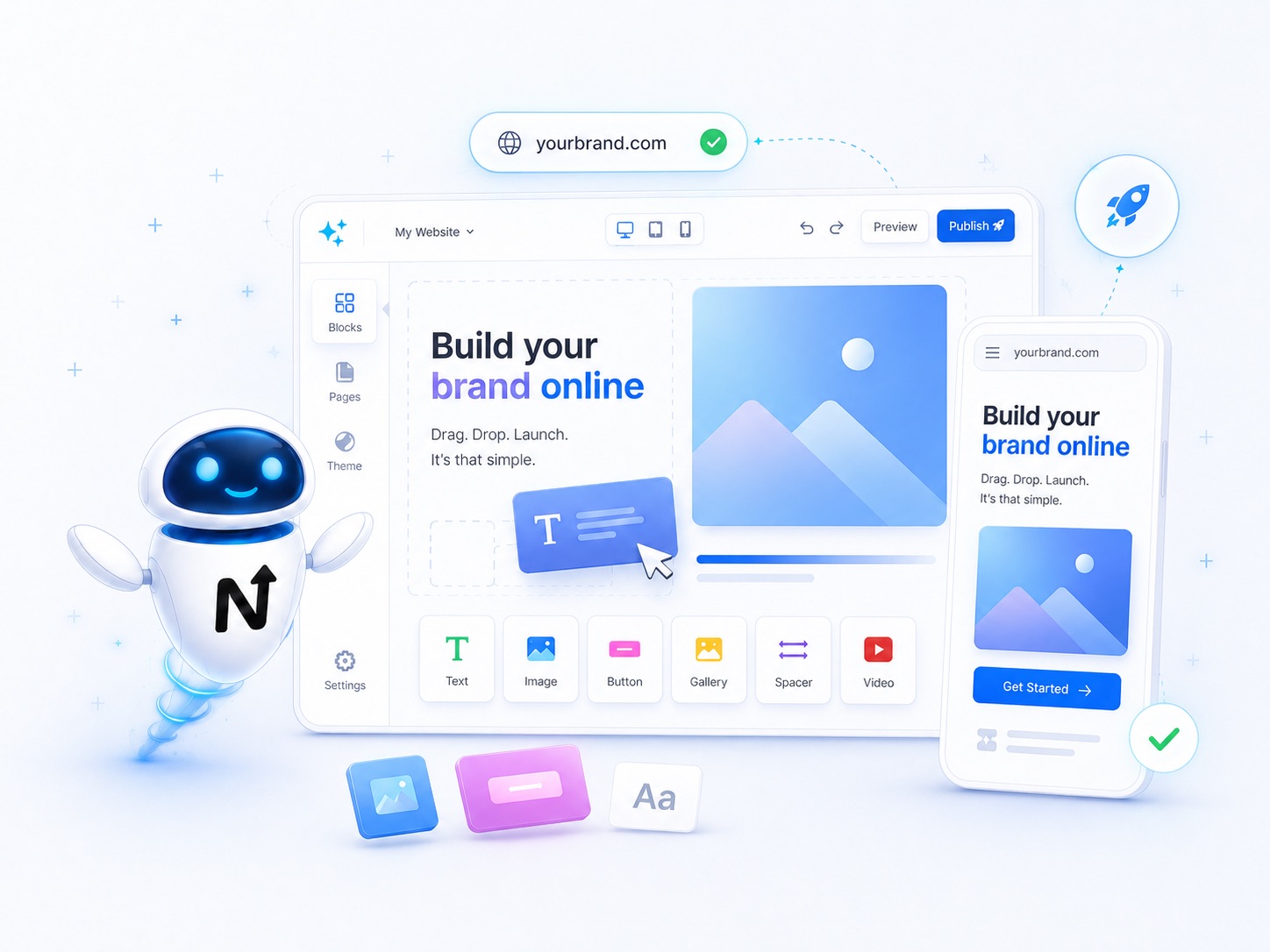
Website builders
AI website builders with drag-and-drop editing turn a simple prompt into a live, mobile-ready brand site in minutes - no developer required.
Build a website
Professional email
you@yourbrand.com on enterprise-grade email, set up the moment you own the domain. Calendar, drive and meetings included.
Set up emailFrequently Asked Questions
The strongest locksmith and security business names range from one short word (Latch, Level, Ring, Vivint) to a clean two-word compound (Master Lock, SentrySafe, FrontPoint). Shorter is generally better for a locksmith, because the name has to be easy to say over the phone, easy to read on a van, and easy for a stressed customer to recall and spell. Aim for a name that fits cleanly on a uniform shirt and a key tag without crowding.
It depends. A category word like "lock" or "security" can help customers and local search immediately understand what you do, which is valuable for a local business that lives on search. But stacking generic words ("Fast Lock Key Security") produces a forgettable, scam-adjacent name. The strongest approach is usually one category-signaling word paired with something distinctive, or a memorable brandable or evocative name supported by clear local listings and taglines that communicate the locksmith service.
Yes, and a founder name can work well for a locksmith because it signals a real, accountable person behind the service, which builds trust in a category full of anonymous operators. The tradeoff is that a personal name can be harder to scale across multiple locations or sell later, and it offers less brand distinctiveness. If you expect to grow significantly or eventually sell, weigh a founder name against a more brandable identity.
Before settling for an awkward variation, explore a clean two-word compound, a localized version that pairs the brand with your metro area, or a strong alternative extension like .now that signals modern, immediate service. A clean, memorable name on a strong alternative TLD often beats a compromised, hyphenated .com for a locksmith, especially when the name still reads as trustworthy and is easy to say over the phone.
Run collision checks against Google, Google Maps, your state business registry, the USPTO trademark registry, and the major review platforms. Locksmith businesses are intensely local, so a name that seems original may already belong to a competitor in your city or a nearby market, creating customer confusion and legal risk. A fifteen-minute check before commitment saves months of rebrand pain.
Generic, descriptive names built from common security words are very hard to trademark and own, while distinctive brandables, evocative names, and stylized constructions are far easier to protect. A clean USPTO search before you commit is essential, and because locksmith businesses are local and trademark conflicts often arise with nearby operations, consulting a trademark attorney before investing in branding and van wraps is almost always worth it.
You can, but it is costly and slow, especially for a locksmith whose reputation, reviews, and local search ranking are tied to the name. Rebranding means rewrapping vans, reprinting uniforms and key tags, rebuilding the website, re-earning local search ranking, and re-establishing the reviews and referrals that drive the business. Because so much locksmith equity is local and reputation-based, it is almost always cheaper to invest the time to get the name right upfront than to rebrand later.
Often yes, especially for a locksmith aiming to dominate a metro market or win commercial accounts, because anxious customers judge legitimacy partly by the web presence, and a clean, short, exact-match domain signals an established, trustworthy operation. A premium domain is a one-time cost that pays for itself through higher trust and lower acquisition cost over time. For a small single-van operator staying purely local, a clean standard registration of a distinctive name is often sufficient.
The smartest next step
You now have the styles, the real-world examples, the domain logic, and the shortlist discipline to find a locksmith business name that will earn trust on a van, in a local search, and at a customer's door for years to come. The fastest way to turn all of that into a real shortlist is to run your positioning through a generator built specifically for this kind of decision.
NextBrand's free and unlimited Locksmith Business Name Generator combines advanced AI with naming patterns drawn from across the lock and security category, spanning residential, commercial, automotive, safe work, smart locks, and access control, and surfaces candidates in seconds with logo-style previews and real-time domain and social handle availability. You can filter by naming style, shortlist the names that feel right, share the list for feedback with people whose judgment you trust, and claim the one that fits before a competitor does.
If you find a name that moves you but want a ready-made brand with the digital presence already built, NextBrand's strategic domains collection has high-impact security and locksmith names available on both .com and high-trust alternative extensions, many of them with the kind of short, memorable, trustworthy roots that would take years to build from scratch.
Whichever path you choose, the single most valuable thing you can do right now is move the naming decision out of your head and onto a shortlist you can actually evaluate. The locksmith business you will run for the next fifteen years deserves a name you chose with intention, not a name you settled on because you ran out of time.
Claim the name that will still earn trust on your thousandth midnight lockout call. The rest of the locksmith business gets easier once that one decision is made.
Ready to find your name?
Pick your path and start exploring.
Related NextBrand Links