
GymName Ideas
How to name a gym -The Complete Guide
Real gym brand examples, naming patterns, and domain strategy to help you name a fitness business that scales from first tour to tenth location.
Naming a gym is one of the highest stakes creative decisions a fitness operator ever makes. The name sits on the signage, the waiver, the class schedule, the app icon, the t-shirt, and the tag under every member check-in. Members repeat it to friends. Landlords underwrite leases based on it. Franchise candidates evaluate it before they even tour a location. And every time a potential member Googles their city plus the word gym, dozens of names compete for the same three seconds of attention.
This guide is built to help you find a name that wins that three seconds and holds up over years of growth. We will walk through the real brands that shape how members think about gyms, break down the naming patterns they use, and show you how to apply the same logic to your own concept. You will see how Peloton, Equinox, CrossFit, Orangetheory, and Barry's Bootcamp each chose names that made them bigger than their categories, and where each style works best. We will cover domain extensions you can actually secure, common mistakes that quietly cap a gym's growth, and how to shortlist the strongest names you generate so you can move from browsing ideas to claiming the one that fits.
Throughout this guide you will see real fitness and gym brand examples from every corner of the industry. Some are big-box household names like Planet Fitness, LA Fitness, and Life Time. Others are boutique studio leaders like SoulCycle, Orangetheory, and Barry's Bootcamp that redefined what group fitness could look like. A third wave comes from connected fitness and AI-driven gym tech platforms building the next generation of the category. Studying how each group named itself is one of the fastest ways to learn what actually works in gym naming, because the names that held up at scale are the ones that passed every test you will eventually face on your own.
By the end, you will have a clear way to evaluate your own ideas, a list of naming patterns to work through, a realistic view of how to choose a domain, and a shortlist process for locking in the winner.
At a Glance
A gym name has three jobs. If any one of them fails, growth gets harder than it needs to be.
Energy and intent.
A gym name has to carry the feeling of the workout it delivers. Barry's Bootcamp, Rumble, and CrossFit all signal intensity before a member walks in. SoulCycle and Pure Barre signal something different. Neither approach is better in the abstract. What matters is that the name matches the experience so tightly that members who would love the gym recognize it the moment they hear it.
Readability at a glance.
A gym brand has to work on a storefront sign, an Instagram handle, a class schedule app, and a referral text from a friend. Names with tight spacing, crisp letterforms, and easy pronunciation travel further than names stuffed with syllables or unusual characters. Peloton and Tonal work partly because they read cleanly at any size.
Searchability.
Members search for gyms constantly, by neighborhood, by workout style, by member pricing. A name that is easy to type, easy to remember, and easy to spell after hearing it once wins the discovery phase before a tour is ever booked. Orangetheory, Anytime Fitness, and Planet Fitness all score high on this dimension, which is one reason they scaled so fast.
The strongest gym brands pass all three. They sound like the workout, they read at any size, and they are easy to find online.
Should your domain name match your gym name?
The naming style you choose will shape the domain strategy you can actually execute. In fitness specifically, single-word .coms are almost all taken, which means most new gyms end up in one of four patterns. Understanding the tradeoffs upfront will save you months of wasted effort on names whose domains are structurally impossible to get.
Pattern one: two-word readable .com.
This is the most common and most reliable pattern for new gyms. A brandable or real-word gym name paired with a fitness category word produces clean URLs like ironforgegym.com, rebelstrength.com, or studiopulse.com. Members hear the gym name, add the obvious category word, and land on the site.
Pattern two: strategic alternative TLD.
When the .com is gone but the brand-only domain on a high-trust alternative TLD is available, it can be the better choice than stretching to an awkward two-word .com. Extensions like .now, .ai, and .org all carry specific meaning in the fitness landscape. A tight one-word name on the right alt TLD often outperforms a compromised .com over the life of the business.
Pattern three: brand plus modifier .com.
A longer but still readable option, where the gym name is combined with a city, a location descriptor, or a service term. Brooklynbarbell.com or eastsideboxing.com both read cleanly and work well for single-location studios. This pattern is weaker for gyms that plan to expand regionally or nationally, because the geographic tag becomes a limiter.
Pattern four: plural or possessive variation.
Occasionally adding an s or an apostrophe-s makes a great domain available where the singular is not. Barry's, McFit, and The Maids all work partly because the possessive or plural form gives the brand a distinctive signature without changing the core name.
Domains that look quick and clever but fail members in practice include heavily abbreviated spellings, number-letter substitutions like fitn3ss, hyphenated domains, and domains that require explanation every time they come up. All four patterns bleed traffic and referrals over time. Spend the extra creative energy upfront to find a name whose domain just works.
Why a strong gym name and domain are worth the effort
It is tempting to think of naming as a branding exercise separate from the business. In fitness, it is not. The name and domain together drive outcomes that show up directly in membership growth, retention, and how much you have to spend to acquire each new member.
A strong name creates immediate credibility.
When a prospective member hears your gym name and checks the site, a clean brand signals that the operator is serious. Tonal, Hydrow, and Peloton all established premium price points partly because their names and web presences looked like premium companies from day one.
A strong name signals authority in a specific corner of fitness.
Equinox does not try to sound like an affordable big-box gym, and Planet Fitness does not try to sound like a luxury club. Each name anchors a position, and members self-select into the one that matches their identity.
A strong name is memorable and easy to share.
Gyms live or die on word of mouth. The phrase 'my CrossFit' or 'my Orangetheory' gets said thousands of times per day across the country, and every mention is free marketing. Names that are hard to pronounce or spell lose that multiplier completely.
A strong name builds trust and loyalty over time.
Members who invest months of their lives into a fitness habit tend to stay loyal to the brand that helped them build it. Gold's Gym, the YMCA, and Life Time have all compounded this loyalty for decades. The name becomes part of the member's identity, and that is one of the most durable business moats in consumer services.
All of this compounds into lower marketing spend. When your name does some of the work for you in searches, in shared Instagram posts, in neighborhood conversations, you do not have to pay as hard to keep the top of the funnel full. Gyms with weak names spend more per member to reach the same growth rate, year after year. Over a ten-year window that gap becomes enormous.
What matters most when naming a gym
Energy match
The name has to feel like the workout. Rumble sounds like a boxing class. Barry's sounds like a bootcamp. Pure Barre sounds like precision and poise. If your name signals the wrong energy, members who would love the gym will filter themselves out before ever visiting, and members who might not love it will show up expecting something else.
The storefront test
Read your name out loud and picture it on a twenty-foot sign above your entrance. Is the lettering clean? Does it read from across the parking lot? Does it look like a gym a confident person would want to walk into? Planet Fitness and LA Fitness both chose names that work as signage at any scale. Names that depend on clever spellings, inside jokes, or long phrases tend to fail this test.
The app icon test
Most modern gyms live partly in a mobile app for class booking and check-in. Can your name live comfortably on a phone home screen? Short, distinctive names like Tonal, Rumble, and Zwift handle this beautifully. Long or clunky names get clipped and lose their identity.
Pronounceability in member conversation
Gyms run on community. Members describe their workouts to coworkers, family, and friends constantly. If the name requires spelling, repeating, or correcting every time it comes up, the friction compounds quickly. Short, clean, easy-to-say names win. Crunch, Peloton, and Equinox work because they are one or two confident syllables that almost anyone can pronounce after hearing once.
Searchability and domain availability together
The strongest gym names are the ones where the name, the .com or strong alternative TLD, and the social handles are all available in the same moment. If you fall in love with a name but the domain is taken by a squatter and the Instagram handle belongs to someone in an unrelated industry, you will fight that battle forever. It is almost always better to choose a slightly different name where the full package is clean.
Gym name ideas by naming style
Six proven approaches to naming your gym, each with real examples and practical guidance.
Brandable gym name ideas
Brandable gym names are invented words or repurposed terms that carry no prior meaning in fitness but sound natural as a brand. They are among the hardest to create and the most valuable once established, because they own their own mental real estate completely.
Once established, brandables are almost impossible to copy. They own the mental real estate completely and let the brand define what the word means in fitness.
Five real examples worth studying
- •Peloton at onepeloton.com:
Repurposed a technical cycling term for the main pack of riders into a connected fitness brand that now owns the word.
- •Aaptiv at aaptiv.com:
Invented from the feeling of being active; the double-A start and soft ending make it easy to say after hearing once.
- •Hydrow at hydrow.com:
Pairs a hydro root with a row suffix into something that sounds simultaneously athletic and modern.
- •Tonal at tonal.com:
Repurposes a real English word so completely as a strength training brand that members think of the product before the adjective.
- •Zwift at zwift.com:
Invented for a connected cycling and running platform; the crisp consonants read as speed and tech before any feature is explained.
Best for gyms building a category-defining product or experience, or serving an underserved niche with a distinctive approach.
Generate Brandable Gym Names
Compound gym name ideas
Compound names pair a descriptive word with a category word, joining them into a single brand that immediately communicates what the gym does. This style is the workhorse of fitness naming because it scales well, reads cleanly, and telegraphs the workout type without leaving the member guessing.
Compounds telegraph the workout type and category without explanation, and the two-word strings are far more likely to have clean matching domains available.
Five real examples worth studying
- •SoulCycle at soul-cycle.com:
Joined Soul with Cycle to create a cycling brand that signaled energy and emotion on top of a physical workout, and dominated indoor cycling for over a decade.
- •CrossFit at crossfit.com:
Paired Cross-training with Fit into a name members now use as shorthand for the entire methodology.
- •Anytime Fitness at anytimefitness.com:
Paired the twenty-four seven access promise with the category word to power one of the largest gym franchise systems in the world.
- •ClassPass at classpass.com:
Compounded Class with Pass into a fitness marketplace name that made the value proposition immediately obvious.
- •Planet Fitness at planetfitness.com:
Paired the aspirational scale word Planet with the category word Fitness to create a welcoming brand that became the largest gym chain in the United States by member count.
A reliable default for gyms that want clarity over cleverness, and an easy path to a matching .com.
Generate Compound Gym Names
Alt Spelling gym name ideas
Alt-spelling names intentionally break standard spelling conventions to create a distinctive brand mark. This can mean joining words without spaces, using camelCase, adding numbers, or using brackets and lowercase in unusual ways. Done well it creates a visually distinctive brand. Done poorly it creates confusion at every touch point.
Visual distinctiveness on signage, in app stores, and on social handles makes the brand instantly recognizable as a single visual unit, often easier to trademark in a crowded market.
Five real examples worth studying
- •Orangetheory at orangetheory.com:
Joined Orange and Theory into a single word without a space, making the brand instantly recognizable as a single visual unit.
- •StretchLab at stretchlab.com:
Joined Stretch with Lab in camelCase style, making the assisted-stretching concept feel clinical and modern.
- •CycleBar at cyclebar.com:
Used the camelCase compound approach to create an indoor cycling brand that signaled a premium, design-forward studio experience.
- •9Round at 9round.com:
Used a numeral in place of nine to anchor the brand around its nine-round kickboxing circuit, making it memorable and easy to search for.
- •[solidcore] at solidcore.co:
Lowercased the brand and wrapped it in brackets to signal a boutique, design-led identity in the reformer category.
Use only when the spelling choice is simple enough that anyone who hears the name once can still find the gym online.
Generate Alt-Spelling Gym Names
Real Word gym name ideas
Real word gym names take a single common English word and use it as the brand. The word usually carries energy, strength, or motion in its meaning, and the directness gives the brand a confident, minimalist feel.
When the word itself carries the right energy, the brand needs less marketing to convey what kind of workout it delivers.
Five real examples worth studying
- •Crunch at crunch.com:
A single muscular word that evokes both the core exercise and the friendly irreverence of one of the most recognizable gym chains in America.
- •Equinox at equinox.com:
A word usually associated with astronomy, repurposed as a luxury fitness brand whose sophistication signals premium positioning from the first read.
- •Rumble at rumble.fitness:
Evokes boxing, thunder, and fighting spirit in a single word that needed no explanation to scale.
- •Tempo at tempo.fit:
Turned a musical and training term into a connected fitness brand whose name conveys the cadence of the workouts.
- •Sweat at sweat.com:
Became one of the largest women's fitness apps in the world using a single honest word every member knows is the real currency of the workout.
Best when the word is short, evocative, and not already overused in fitness, and when you can secure either the .com or a strong alt TLD.
Generate Real-Word Gym Names
Acronym gym name ideas
Acronym gym names use initialism or abbreviation to compress a longer phrase into something tight and memorable. In fitness this approach often comes out of the original full name of a franchise or organization, and over time the acronym becomes the brand while the full phrase fades.
When the acronym comes from a meaningful underlying phrase, the three letters become a tight, memorable mark that scales well across signage and apparel.
Real examples worth studying
- •F45 at f45training.com:
Stands for Functional forty-five, a reference to the forty-five-minute functional training sessions at the core of the workout.
- •TRX at trxtraining.com:
Stands for Total-body Resistance eXercise, now a globally recognized suspension training system used in NFL locker rooms and garage gyms alike.
- •YMCA at ymca.org:
One of the oldest acronyms in fitness, anchoring a global network of community fitness centers for over a century and a half.
- •UFC Gym at ufcgym.com:
Pairs the acronym of Ultimate Fighting Championship with the category word to extend a combat sports media brand into a physical gym footprint.
- •EoS Fitness at eosfitness.com:
Stands for Energy, Optimum Value, and Serious Fitness; the three-letter mark anchors a chain with over two million members and more than two hundred locations.
- •MS.now at ms.now:
Formerly MSNBC, the major cable news network rebranded to MS NOW as part of its spin-off from NBCUniversal into the new company Versant. The move to the .now domain was deliberate: it signals urgency, modernity, and a fresh start while retaining the recognizable "MS" initials. For gyms, pairing initials with a modern extension like .now could work for on-demand classes, drop-in memberships, or real-time class booking.
Fits established or well-funded gyms with the marketing budget to teach members what the letters mean, or where the acronym is intuitive (F45, 9Round).
Generate Acronym Gym Names
Evocative gym name ideas
Evocative gym names create a feeling, image, or association that sets the tone for the experience without literally describing it. This style leans on storytelling more than categorization, and when it works it creates brands that members connect to emotionally.
Evocative names set expectations for the experience, and when the gym delivers on the feeling the name promises, the brand becomes much bigger than any single location.
Five real examples worth studying
- •Barry's Bootcamp at barrys.com:
Combines a founder's first name with a military training descriptor to evoke intensity, camaraderie, and a defined boutique bootcamp format.
- •Gold's Gym at goldsgym.com:
Pairs the founder's surname with a category word and an implicit gold-standard connotation, anchoring a bodybuilding heritage brand since the nineteen sixties.
- •World Gym at worldgym.com:
Uses an aspirational global-scale word alongside the category term to signal a bodybuilding-forward community for serious training.
- •Life Time at lifetime.life:
Leans into a wellness-for-life philosophy, telling members this is a place to build a long-term relationship, not just a gym.
- •Retro Fitness at retrofitness.com:
Uses a nostalgic word that signals a classic, no-frills gym experience grounded in old-school bodybuilding culture.
Most effective when the gym has a distinctive point of view or experience the name can foreshadow.
Generate Evocative Gym Names
Domain strategy: standard registration vs. premium domains
Once you have a name in mind, the next real decision is how you actually acquire the domain that will carry it. In fitness specifically, this comes down to a choice between two paths: registering a clean standard domain at registrar prices, or acquiring a premium domain that has already been claimed and is held as a brand-grade asset. Each path has a different cost, a different timeline, and a different long-term effect on the gym's brand.
When a standard registration is enough.
A standard registration is the right call when you have invented a distinctive enough gym name that the exact match is still freely registerable, when the gym is launching at a stage where every dollar of capital matters more than perception polish, or when you are building a single-location neighborhood box where the domain mostly serves a referral-and-foot-traffic audience. If your name is a coined brandable, an unusual two-word compound, or an evocative phrase that has not been registered before, a clean standard registration on the right extension can carry the gym through every important brand surface without compromise. This is how many independent gyms launch, and it is a perfectly defensible choice when the name itself does enough of the differentiation work in the local market.
When a premium domain is the smarter move.
A premium domain is the smarter move when the gym is being built to scale beyond a single location, when the founders want a name that competes with the established national chains and franchise systems, or when the exact name you genuinely want is already registered, which is the case for almost every short, memorable, fitness-relevant name. Premium domains tend to be short, easy to spell, easy to say out loud over a phone, and immediately recognizable as a real brand mark rather than a registrar-grade compromise. For a gym competing for members against Equinox, Planet Fitness, Orangetheory, Barry's, F45, and dozens of other established brands, a premium domain can close the perception gap on day one in a way that no amount of paid acquisition spend can replicate later.
The tradeoffs in practice.
The decision affects almost every dimension of how the gym will be perceived and how it will perform commercially. Trust rises sharply with a clean, short, exact-match domain because prospective members read the URL as a signal of how seriously the gym invests in its own brand. Memorability is a function of length and pattern simplicity, and premium domains are almost always shorter and cleaner than what is still available as a standard registration. Brand strength compounds over the life of the gym, and a strong domain becomes inseparable from the brand in member and trainer conversations. Discoverability in search and direct typing favors short, exact-match domains, which is part of why the most successful national fitness brands invested in the domain alongside the rest of the brand identity. Direct traffic from word-of-mouth, referrals, and offline marketing all routes through whatever URL the audience can guess on the first try. Long-term positioning in a category as competitive as fitness is permanently shaped by the domain members end up associating with the gym. Conversion potential from prospect to membership signup is meaningfully higher when the URL itself signals a brand at the same level as the experience the gym actually delivers.
Practical guidance for gyms.
The right call usually depends on where the gym sits on the ambition curve. A single-location neighborhood studio, a small CrossFit affiliate, or a part-time personal training operation can often build a strong brand on a clean standard registration of a distinctive enough name. A gym aiming to scale into multiple locations, build a national franchise, or compete head-on with the established fitness brands almost always benefits from investing in a premium domain upfront, because every year the gym operates without one is a year of compounded perception cost that is harder to recover later. The cost of a premium domain is a one-time investment. The cost of operating on a compromised domain is a recurring tax on every membership pitch the gym ever gives.
How to choose the right domain extension
Domain extensions are not interchangeable. Each one carries signals that members pick up subconsciously, and the right choice depends on the positioning of your gym. The .com extension remains the strongest default for gyms that want maximum reach, recognition, and trust across every audience including older members, traditional referral networks, and corporate wellness procurement teams. Alternative extensions like .now, .ai, .fit, and .org each carry their own meaning, and the right alt TLD can outperform a compromised .com when the extension matches the gym's positioning and the brand-matching exact word is available there. Below we walk through the extensions that matter most in fitness and show how real brands have used each one to support their identity, with both the .com pairings worth studying and the alternative TLD pairings worth studying that the modern fitness landscape rewards.
Brand-matching .com pairings worth studying
The most common fitness domain strategy is a two-word .com that pairs the brand with an obvious category term. This pattern is the safest, most trusted, and most discoverable option for the vast majority of new gyms, and the brands below show how to do it cleanly.
• LA Fitness at lafitness.com
pairs a two-letter geographic mark with the category word to create one of the most scannable gym domains in the country. The URL is short, easy to spell, and matches exactly what members say out loud when describing the gym to friends.
• 24 Hour Fitness at 24hourfitness.com
is an unusual but instructive case, where the numeric-to-text pattern in the URL exactly matches the spoken brand. Members who hear the name can type the domain correctly on the first try, which is the real test of whether a URL works.
• Snap Fitness at snapfitness.com
uses a short, muscular brand word paired with the category term to create a domain that scans fast on signage and in apps, and reinforces the franchise's promise of quick, convenient workouts.
• Pure Barre at purebarre.com
shows how a two-word boutique fitness brand can claim a clean matching .com without any compromise. The URL is short enough to write on merchandise and long enough to avoid any spelling ambiguity.
• Barre3 at barre3.com
takes the alphanumeric approach with a single-digit ending that members remember easily, and it occupies a distinctive position in the boutique barre category that a plain word could not claim.
Brand-matching alternative TLD pairings worth studying
Fitness and gym alt TLD adoption is growing fast, driven by connected fitness, AI-powered gym operations software, and boutique studios looking for a more distinctive digital identity than a compromised .com. The brands below show how to use non-.com extensions to reinforce positioning rather than just fill a gap.
• BeastMode.now
captures one of the most recognizable phrases in strength and performance training culture, and the .now extension adds immediacy that matches the energy of the phrase itself. For a high-intensity gym, powerlifting facility, performance training studio, or functional training brand, the domain communicates the mindset of the training before a member reads a single word of copy. It is short enough to fit on a t-shirt, a locker room banner, or a hashtag, and it reads as confident and on-brand for serious lifters.
• Pilates.now
takes the exact category term and pairs it with an extension that signals immediacy, which is the opposite of how Pilates is often marketed. That tension is exactly what makes the domain interesting. For a modern Pilates studio, a reformer-based boutique fitness brand, or an on-demand mind-body fitness platform, Pilates.now communicates that the practice can be accessible right now, not a distant aspiration. The domain carves out a clean position in a category that has traditionally been dominated by serene, slower-paced naming conventions.
• Keepme at keepme.ai
is an AI-powered sales agent and lead management platform built specifically for multi-site gym operators. The company describes itself as the original AI innovator in fitness and uses the .ai extension to signal that position before members read a single feature. The domain carries the AI category identity in a way that a .com never could, and it shows how the extension has become a trust signal inside fitness tech rather than just a technical curiosity.
• NASM at nasm.org
is the National Academy of Sports Medicine, the most recognized fitness certification body in the industry, with over one point nine million credentialed professionals across more than one hundred countries and partnerships with over fourteen thousand gyms and health clubs. Every NFL team has an NASM-credentialed professional on staff, as does one hundred percent of NBA teams. The .org extension signals the non-profit, standards-setting, industry-infrastructure role the organization plays, and reinforces the trust that makes NASM the default certification mentioned by serious gym operators when they talk about trainer quality.
Fitness is a category where the alt TLD landscape has real momentum behind it. For gyms positioning themselves as tech-forward, niche, performance-focused, or boutique, the right alt TLD can carve out mental real estate that still holds opportunity in a market where the best .coms were claimed years ago.
Shortlist the strongest names
Once you have explored the naming styles above and generated real candidates, the shortlist is where discipline matters most. Most first-time gym owners fall in love with the first name that clears a few basic checks, and miss the chance to find something genuinely stronger. The goal of the shortlist phase is to narrow ten to fifteen candidates to one or two finalists that pass every test you care about.
The storefront, gym bag, and app icon test.
Write each candidate on a storefront sign, a gym bag, and an app icon in your head. Names that survive all three visual tests are the ones worth keeping. Names that only work in one format are rarely worth the compromise over the life of the business.
Pronunciation and spelling check.
Say the name out loud to three or four people who do not know the context. If they can spell it correctly after hearing it once and repeat it accurately to someone else later, the name is likely to travel. If they ask how to spell it or mispronounce it, cross it off.
Domain and social handle availability together.
A name where the .com is gone, the Instagram handle belongs to someone else, and the Twitter handle is squatted is a name you will fight every day. Finalists should have a realistic, recognizable path to owning their digital presence in full.
Fit with the workout itself.
Imagine the name spoken before a class starts, printed on a membership waiver, and used in a member's caption about their personal record. Does it set the right tone? Names that are technically clever but energetically wrong fail this test and lose members over time.
The ten-year proud test.
Trust your gut on one dimension only: would you be proud to say this name out loud for the next ten years? Fitness is a long game, and the best gym brands belong to operators who genuinely love saying their gym's name every day. If you cringe or hesitate, the name is not right.
Common mistakes to avoid
Over years of watching gyms launch and rebrand, a handful of naming mistakes show up again and again. Avoiding them does not guarantee a great name, but it removes the most common reasons gym brands underperform.
Trying too hard to be clever.
A pun, a rhyme, or a word play that delights you in the planning phase often irritates members by the third or fourth time they have to say it. The most durable gym brands are simple. Peloton, Equinox, CrossFit, Rumble. None of them are clever. All of them are confident.
Naming after yourself without good reason.
Barry's Bootcamp works because Barry had a distinctive voice and methodology that the brand is built around. Gold's Gym works because Joe Gold helped define a whole era of bodybuilding culture. Using your own first or last name is usually a mistake unless your personal brand is genuinely central to the gym. Otherwise it signals a small business ceiling that makes it harder to attract investors, franchisees, or members who want to buy into a bigger identity.
Locking yourself into a geography.
Naming a gym Brooklyn Strength works fine for one location, but the moment you consider a second location in Queens or Jersey City the brand fights you. If expansion is even a possibility, choose a name that travels.
Locking yourself into a workout type.
Naming a boutique studio Spin Revolution ties the brand to indoor cycling specifically, and leaves no room to add barre, strength, or stretch programming later without feeling off-brand. Even if your first product is a single modality, choose a name that gives you room to add adjacent services as the business grows.
Choosing a name with confusing spelling.
Intentional misspellings, silent letters, and unusual character substitutions all create friction at every point of contact. Members who hear the name and cannot type it correctly are members who never convert. Unless the spelling choice is simple enough to teach in one beat, pick a different name.
Skipping the real trademark check.
Fitness has a dense trademark landscape, especially around common workout words. Ignoring trademark conflicts in the enthusiasm of launch is one of the most expensive mistakes a gym can make, because rebranding after legal pressure means losing every piece of equity the original name built.
Ignoring the domain question until the end.
By the time you have ordered signage, printed t-shirts, and soft-launched, the domain situation is often set in stone. Operators who leave this decision to the end usually end up with compromised URLs that they regret for years. Bring the domain check to the front of the process, not the back.
How to get better results from a name generator
A modern AI name generator can surface hundreds of viable gym name candidates in the time it would take to brainstorm a dozen on your own. But getting the best results requires knowing how to input your goals, how to filter the outputs, and how to iterate toward a final shortlist.
Start with specific inputs about the gym.
The more the tool knows about your positioning, the sharper the candidates it returns. Tell the generator whether the gym is boutique or big-box, which workout modalities you lead with, who your target member is, what feeling you want the name to create, and whether you are opening one location or planning to franchise. Vague inputs produce generic outputs.
Use the advanced filters rather than scrolling through raw lists.
The strongest tools let you constrain by naming style, by syllable count, by starting letter, by domain availability, and by extension preferences. A shortlist filtered by style and domain is far more useful than a long unfiltered list.
Pay attention to the brandable previews.
NextBrand shows how each name would look as a logo mark before you commit to anything, which is an underrated signal. A name that does not render well as a mark is a name that will struggle on signage and merchandise.
Use the shortlist feature aggressively.
Save every candidate that passes your first visual and pronunciation check, then come back a day later with fresh eyes. Most of the names that feel exciting on first read lose their shine overnight. The ones that still feel right in the morning are usually the ones worth pursuing further.
Run availability checks as you go.
The generator's real-time domain and social handle checks remove the biggest single source of wasted effort, which is falling in love with a name whose digital presence is unavailable.
Share your shortlist with someone who fits your target member profile.
The generator's ranking reflects patterns across naming in general, but your members are the ones who will actually live with the name. A quick gut check from two or three people who match your ideal member demographic will usually surface the one or two names that feel genuinely right.
Premium domain marketplace
Want to start strong?Secure an unforgettable domain name
The Sports, Fitness & Wearables category holds hand-picked gym brand domains, each chosen for immediate presence, lasting trust, and the market positioning a fresh registration cannot match.
- Immediate online presence
- Signals authority from day one
- Memorable and easy to share
- Strong market positioning
- Builds trust and brand loyalty
- Designed for long-term growth


Beyond the name
Everything you need after the name is yours
Once your brand name is set, we get you live and running with the partners that handle everything else - fast, professional, and ready for customers.

Business formation
Spin up an LLC, Corporation or similar entity through vetted formation partners - paperwork, EIN and registered agent in one flow.
Form your business
Logo design
Hand the brief to professional designers or run a full design contest, whichever fits your budget and timeline.
Design your logo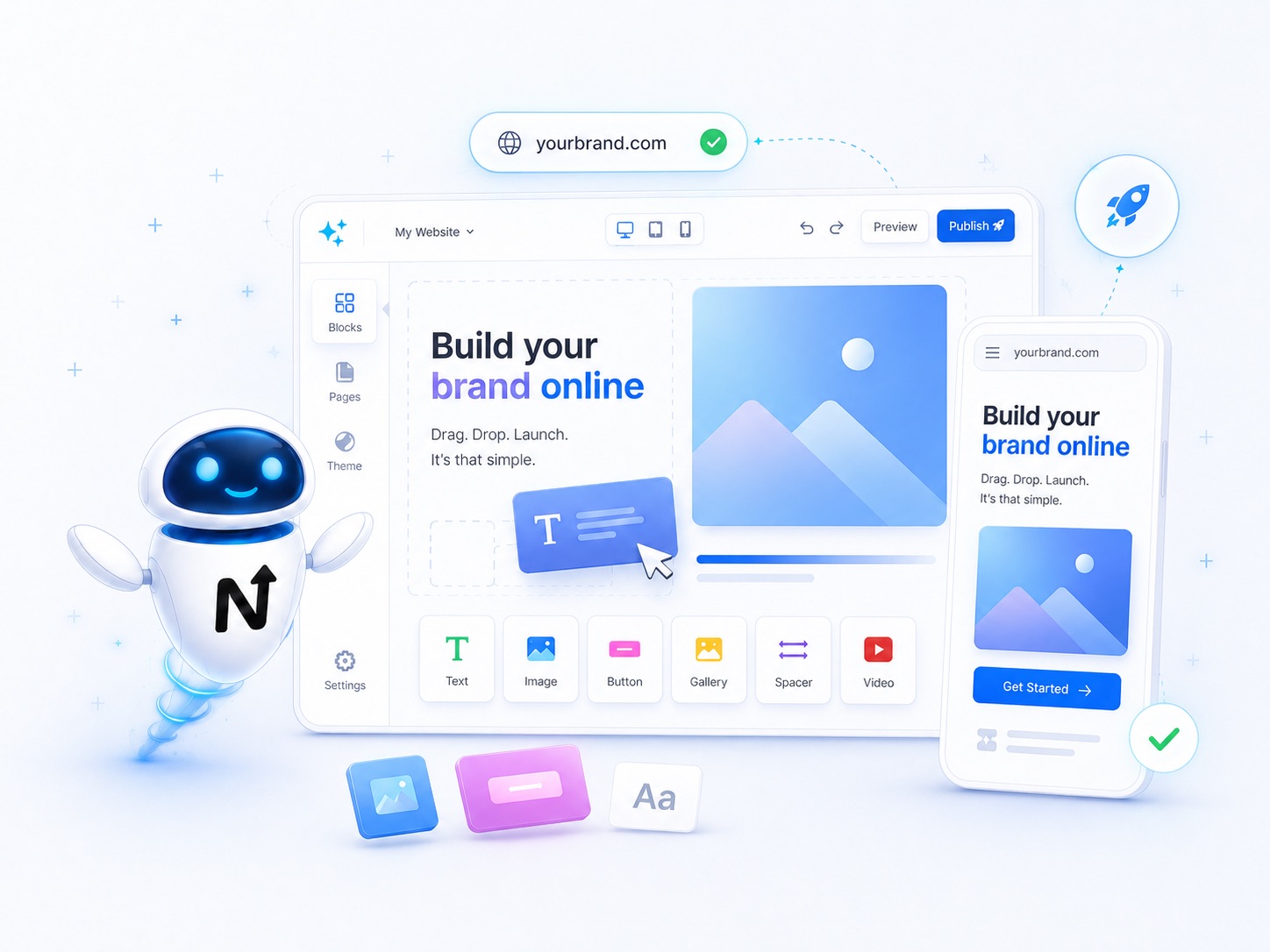
Website builders
AI website builders with drag-and-drop editing turn a simple prompt into a live, mobile-ready brand site in minutes - no developer required.
Build a website
Professional email
you@yourbrand.com on enterprise-grade email, set up the moment you own the domain. Calendar, drive and meetings included.
Set up emailFrequently Asked Questions
The strongest gym names are almost all between one and three syllables for the main brand word. Peloton, Rumble, Equinox, CrossFit, Tonal, Crunch, and Zwift all hit that range. Longer names work when they are compounds that telegraph the workout, like Anytime Fitness or Planet Fitness, but even those benefit from a short nickname that members use in conversation.
It depends on the style. Compound names like Planet Fitness and Anytime Fitness use the category word to telegraph what the gym does, which helps in search and on signage. Brandable or real-word names like Peloton, Equinox, or Crunch often skip the category word entirely and let the brand stand on its own. The right choice comes down to how well your main brand word carries the category on its own.
Numbers can work when they are tied to something meaningful, like the nine rounds in 9Round, the forty-five-minute sessions in F45, or the rotating program structure in Barre3. Numbers that are arbitrary or just there for distinctiveness usually weaken the name.
Before you compromise on an awkward variation, explore strategic alternative TLDs, two-word compounds that keep the main brand word intact, or possessive forms of the same name. In fitness especially, the alt TLD landscape has real momentum behind it, and a clean one-word name on the right alternative extension often outperforms a stretched two-word .com.
Only if you are certain you will never expand beyond that modality. Yoga-Only Studio works for one modality today, but if you want to add strength or stretch programming in year three, the name fights you. Most successful boutique gyms pick names that are broader than any single class they teach.
A clean trademark search before you commit to signage is essential. Generic descriptors like Strong Gym or Fitness Studio are almost impossible to trademark. Distinctive coined words, compounds, or evocative phrases are far easier to protect. Consult a trademark attorney before you make major investments in signage, apparel, or marketing based on the name.
You can, but it is expensive. Rebranding a gym means replacing signage, uniforms, member communications, apparel, printed schedules, and rebuilding the SEO equity the old name carried. A small percentage of members always drop off during a rebrand because the new brand feels unfamiliar. It is almost always cheaper to spend more time getting the name right upfront.
The smartest next step
You now have the styles, the real-world examples, the domain logic, and the shortlist discipline to find a gym name that carries the business for years. The fastest way to turn all of that into a real shortlist is to run your positioning through a generator built specifically for this kind of decision. NextBrand's free and unlimited Gym Name Generator combines advanced AI with naming patterns drawn from thousands of real fitness and gym brands, and surfaces candidates in seconds with logo-style previews and real-time domain and social handle availability. If you find a name that moves you but want a ready-made brand with the digital presence already built, NextBrand's premium domain marketplace has high-impact gym and fitness names available on both .com and high-trust alternative extensions. Claim the name that will still feel right after your thousandth class.
Ready to find your name?
Pick your path and start exploring.