
Logistics CompanyName Ideas
How to name a logistics company -The Complete Guide
Real logistics company name ideas from freight and supply chain brands that win business, with naming patterns, verified examples, and a practical domain strategy for brokers, forwarders, couriers, and 3PLs.
A long-form guide to naming a logistics company, with real freight, forwarding, and supply chain brand examples, six naming patterns that win business, and a practical domain strategy for brokers, forwarders, couriers, 3PLs, and the technology platforms that serve them.
A logistics company name is a promise of reliability. Before a shipper hands over a single pallet, your name has already appeared in a quote email, on an RFP shortlist, in a dispatcher's mouth on a check call, and maybe on the side of a trailer rolling down the highway. Clients in this industry are not just buying transportation. They are trusting you with their cargo, their delivery deadlines, and their own customers' satisfaction. The name is the first signal that you will get freight where it needs to be, on time and intact.
The challenge is that logistics defaults to interchangeable naming. Open any carrier directory or load board and you will find a sea of names built from the same parts: a city, a surname, and a word like freight, transport, or express. Those names are honest, but they vanish among lookalikes the moment a shipper compares five quotes. The companies that stand out, from coined tech-forward brands to evocative single words, chose names that could be remembered after one phone call and that scaled from a single lane or warehouse to a national network without ever feeling too small.
This guide breaks down how successful logistics brands actually name themselves, across six naming styles with real, verified examples in each. The lessons apply across the whole industry: third party logistics providers, freight brokerages, digital forwarders, couriers and last mile networks, drayage and warehousing operations, fulfillment companies, and the software platforms that serve them all. Whether you are an owner operator stepping up to your own authority or a founder building freight technology, the same naming logic holds. You will also get a realistic domain strategy, because the right address for a logistics brand is rarely a bare one-word .com. More often it is a coined name on its exact match, a natural two-word .com, or a strong name on a modern extension that fits the business, and knowing which route fits you saves months of frustration.
At a Glance
• Reliability is the first signal.
The strongest logistics names signal reliability and competence before a single shipment moves, because B2B buyers judge unfamiliar vendors by surface signals first.
• Distinctive beats descriptive.
A sea of interchangeable freight and transport names makes a memorable brand unusually valuable in this industry.
• Six naming styles dominate.
Brandable coinages, compounds, alternate spellings, real words, acronyms, and evocative names, each with live examples below.
• A name must survive the phone.
Check calls, noisy docks, and bills of lading punish anything hard to say or spell.
• Match the domain to the name.
In a fraud-aware freight market, a clean matching address builds trust at the vetting stage.
• Skip the bare one-word .com chase.
A coined name, a two-word .com, or a fitting modern extension is the realistic route.
Should your domain name match your logistics company name?
Yes, and in logistics the case is stronger than in most industries. Freight is a vetting business. Shippers check broker authority, carriers check payment histories, and everyone has learned to look twice because double brokering and identity scams have made the whole market cautious. When your company name, your website address, and the domain in your email all line up, you remove a layer of doubt at exactly the moment a new partner is deciding whether to trust you. A quote sent from a mismatched or generic address invites hesitation you never see, because the prospect simply moves to the next bid.
Matching does not require a rare single word. A coined name usually has a better chance at its exact .com because the word did not exist before you invented it. A natural two-word name can sit on a clean two-word address. And a strong name on a fitting modern extension can look sharper than a compromised .com. What matters is that the name someone hears on a check call is the address they can type without guessing.
Why a strong logistics company name and domain are worth the effort
First, the name does heavy lifting in procurement. Logistics is bought through RFPs, broker shortlists, referrals between supply chain managers, and cold outreach that lives or dies on credibility. A distinctive, professional name earns a second look in all of those settings, while a generic one blends into the pile. The first impression happens on a spreadsheet of vendor names long before anyone visits your site, and the name decides whether that impression says established operation or one truck and a prayer. The same effect repeats downstream: insurers, factoring companies, and enterprise compliance teams all form a view of your company from its name and address before any human conversation begins.
Second, this industry runs on relationships and repeat lanes, which makes memorability an economic asset. A shipper who remembers your name after one good delivery can recommend you in a sentence, and the colleague who hears it can find you in seconds. Every client who types your address directly is a relationship you own outright, with no load board, directory, or lead platform standing in the middle taking a margin. Over years of repeat freight, the difference between being found directly and being re-bought through intermediaries is real money.
Third, the right name supports stronger positioning. Companies competing under a generic name tend to get treated like a commodity and squeezed on rate, because nothing about the brand suggests they are worth more than the next line on the comparison sheet. A distinctive name helps you win on service, reliability, and trust rather than on being the cheapest bid, and it holds its value as the company grows: the brokerage that adds warehousing, the courier that adds fulfillment, and the regional carrier that goes national can all keep the same brand instead of renaming midstream and starting their reputation over.
Finally, a strong name and matching domain feed search visibility through indirect signals. People who hear about you search the name itself, click your result with confidence, link to you from industry press and partner pages, and return without searching twice. Those by-name searches, higher click-through rates, mentions, and repeat visits are how a memorable logistics brand earns its footing online, rather than the name or the domain magically changing rankings on its own.
What matters most when naming a logistics company
Clarity under pressure
Start with clarity under pressure. Logistics names get spoken more than read: on check calls over engine noise, across loading docks, between dispatchers juggling three phones at once. A good name is short, easy to pronounce on the first attempt, and impossible to misspell when a dock worker writes it on a bill of lading or a clerk keys it into an invoice at the end of a long shift. Call it the check call test: say the name once down a bad phone line, and see whether the other side can repeat it and type it correctly. Names that fail this test generate small errors forever, in paperwork, in payments, and in search, and those errors quietly tax the business every week it operates.
Distinctive against descriptive defaults
Next comes distinctiveness. Because the default in this industry is descriptive, a name that is not built from freight, transport, express, and a place name immediately stands apart. Distinctive also means ownable: a name nobody else in transportation is using is easier to protect, easier to secure clean handles for, and far less likely to be confused with a lookalike on a load board, which matters in a market where mistaken identity can cost real freight.
Scales beyond day one
Finally, pick a name that scales. The brokerage that adds warehousing, the courier that adds fulfillment, and the regional carrier that goes national all suffer when the name says only what the company did on day one. There is also the trailer test: imagine the name painted across fifty three feet of trailer and printed on an RFP cover page. If it looks credible in both places, it will look credible everywhere in between.
Logistics company name ideas by naming style
Six proven approaches to naming your logistics company, each with real examples and practical guidance.
Brandable logistics company name ideas
Brandable names are coined words, invented from sound rather than assembled from vocabulary. In logistics they read as modern, technological, and established, which is exactly the impression a young company needs when it is asking shippers to trust it with cargo. A coined word also sidesteps much of the descriptive sea, because it has far less obvious overlap with generic freight terms, though it still needs to be checked against existing companies, trademarks, and transportation listings before use.
The practical bonus is ownability. A brand new word tends to be easier to secure cleanly than a common term, because nobody registered it decades ago. That is a tendency rather than a guarantee, since every name still has to be checked, but it is part of why coined names dominate modern logistics tech.
Five real examples worth studying
- •GEODIS at geodis.com:
GEODIS is one of the largest logistics providers in the world, and its name is a French coinage with echoes of geography and distribution folded inside. The word means nothing literal in any language, so it travels cleanly across the global markets it serves, a brandable pattern worth studying for logistics founders.
- •Stord at stord.com:
Stord runs a cloud supply chain platform that combines fulfillment, warehousing, and freight for consumer brands. One invented syllable carries a faint storage echo without spelling it out, and the five-letter coinage holds its exact address, a brandable pattern worth studying for founders building port-to-porch operations.
- •Forto at forto.com:
Forto is a Berlin digital freight forwarder moving cargo by sea, air, and rail. The coined word hints at forward motion while staying its own invention, two crisp syllables that sound at home in any boardroom from Hamburg to Singapore, a brandable pattern worth studying for forwarding entrepreneurs.
- •Shippeo at shippeo.com:
Shippeo provides real-time transport visibility for some of Europe's biggest shippers. The coinage keeps shipping as flavor while the playful ending turns it into something ownable and new, proof a coined name can stay on topic without being literal, a brandable pattern worth studying for supply chain tech founders.
- •Altana at altana.ai:
Altana applies artificial intelligence to map the global supply chain for enterprises and governments. The name is a smooth invented word with no baggage, and the extension reinforces the technology at the company's core, a brandable pattern worth studying for anyone naming a logistics intelligence brand.
If a coined direction fits your company, generate logistics-flavored coinages with the [business name generator](/) and keep the ones that pass the check call test on the first try.
Compound logistics company name ideas
Compound names fuse two plain words into one new brand, and they are the workhorses of logistics naming. The style says what you do in a single glance, which suits an industry where buyers want clarity fast, yet the fused result is distinctive enough to own. A good compound reads as a brand, not a description.
Compounds also pair naturally with reachable addresses. Because the combination is yours, the exact two-word .com is often a realistic register rather than an expensive chase, which is one reason this style keeps producing household names in freight.
Five real examples worth studying
- •Flexport at flexport.com:
Flexport built one of the best known names in modern freight forwarding by fusing flex and port, flexibility applied to the rigid world of ports and customs. The compound explains the value proposition in two syllables and holds its exact address, a compound pattern worth studying for freight entrepreneurs.
- •ShipBob at shipbob.com:
ShipBob handles ecommerce fulfillment for thousands of online brands, and the name fuses the industry verb with a friendly first name. The result feels approachable in a field that often sounds cold and corporate, exactly right for small merchants, a compound pattern worth studying for fulfillment founders.
- •Truckstop at truckstop.com:
Truckstop turned the most familiar building in trucking into one of the industry's leading load board and freight technology brands. Two everyday words fuse into a name every carrier already understands, with the exact address to match, a compound pattern worth studying for freight marketplace builders.
- •Landstar at landstar.com:
Landstar is a major carrier network built on independent agents and owner operators, and its name fuses land with star, ground transportation with a standard of excellence. The compound has scaled across decades and services without dating, a compound pattern worth studying for carrier network founders.
- •Freightos at freightos.com:
Freightos runs a booking and rate platform for international freight, fusing the industry's core word with a software-flavored ending. The name positions freight as something you book like a flight, modern and systematic, a compound pattern worth studying for logistics platform founders.
When two plain words say it best, run combinations through the [business name generator](/) until one fuses into a brand rather than a description.
Alt Spelling logistics company name ideas
Alternate spelling names take a working word, the kind logistics is full of, and respell it while keeping the pronunciation. The ear hears something familiar; the eye sees something ownable. For a young company, that twist often makes the difference between a name lost in a crowded field and a distinctive mark that can be searched, protected, and paired with a clean domain if it clears the right checks.
The craft is restraint. One clear change, pronunciation preserved, no guessing required. If a customer who hears the name cannot type it after a single explanation, the respelling has gone too far.
Five real examples worth studying
- •Sennder at sennder.com:
Sennder is Europe's leading digital road freight forwarder, and the name is simply sender with a doubled n. Everyone who hears it understands it instantly, yet the spelling is distinctive enough to own outright, the cleanest possible respelling lesson, an alternate spelling pattern worth studying for freight founders.
- •Shypple at shypple.com:
Shypple is a Rotterdam digital forwarder for ocean and air freight, built from ship with a playful respelled ending. The name keeps the industry's most important word audible while becoming a brand no directory can confuse, an alternate spelling pattern worth studying for forwarding entrepreneurs.
- •Bringg at bringg.com:
Bringg powers delivery orchestration for retailers running their own last mile operations. The doubled g turns the most ordinary delivery verb into a protectable technology brand without changing how anyone says it, an alternate spelling pattern worth studying for delivery tech founders.
- •Quiqup at quiqup.com:
Quiqup runs last mile delivery and fulfillment for ecommerce brands across the United Arab Emirates, and the name is pronounced quick-up, exactly as it reads. The respelled quick promises speed while staying ownable, an alternate spelling pattern worth studying for courier founders.
- •Curri at curri.com:
Curri delivers construction materials on demand through a nationwide driver network, and the name compresses courier into five friendly letters. The respelling keeps the trade audible while shedding the generic feel of the original word, an alternate spelling pattern worth studying for delivery entrepreneurs.
To explore this style, feed core industry words into the [business name generator](/) and look for the one-change respellings people can type after hearing once.
Real Word logistics company name ideas
Real word names take an existing dictionary word and make it the brand. Done well, the word either describes the promise so aptly that it feels inevitable, or it sits far enough from the literal work that the gap itself becomes memorable. Either way, a single word carries enormous confidence, which suits a business built on trust.
The caution is ownership. Common words are crowded, so the realistic version of this style pairs the word with a clarifying companion in the full company name, or accepts a fitting modern extension, rather than chasing addresses out of reach.
Five real examples worth studying
- •Expeditors at expeditors.com:
Expeditors is a Fortune 500 freight forwarder whose name comes from a real word connected to speeding things along. Decades of use turned it into a recognized global brand, and it is also a reminder that service-adjacent words get crowded and deserve careful checking before a new founder builds on one, a real word pattern worth studying for forwarding founders.
- •Airspace at airspace.com:
Airspace built a global network for time-critical shipments, the organ transplants and grounded-aircraft parts that cannot wait. The name claims the literal territory its freight moves through, one decisive word on its exact address, a real word pattern worth studying for expedited logistics founders.
- •Mothership at mothership.com:
Mothership runs a same-day freight marketplace matching shipments to nearby trucks. The word evokes the hub everything launches from and returns to, with ship hiding inside as a bonus, playful but commanding, a real word pattern worth studying for freight marketplace founders.
- •Arrive Logistics at arrivelogistics.com:
Arrive Logistics grew into one of the largest freight brokerages in the United States on the strength of the one word every shipper wants to hear. The full name sits on its exact matching address, a real word pattern worth studying for brokerage founders.
- •Outrider at outrider.ai:
Outrider automates yard operations with autonomous electric trucks, and its name revives the word for the rider who scouted ahead of a convoy. The history fits the mission of moving ahead of the driver, and the extension fits the technology, a real word pattern worth studying for logistics automation founders.
If one strong word keeps surfacing in your notes, test it against alternatives in the [business name generator](/) before you commit.
Acronym logistics company name ideas
No industry loves initials like logistics. The biggest names in parcel, trucking, and forwarding are two and three letter marks that fit on a trailer door, a tracking label, and a stock ticker. An acronym works when the letters have a tellable expansion behind them, a story that gives the initials meaning even after the full name fades from daily use.
The honest caution: those giants earned their initials over decades. A brand-new company introducing itself as three letters usually reads as forgettable rather than established. Treat this style as a destination your name can compress into later, not a starting point.
Five real examples worth studying
- •TQL at tql.com:
TQL stands for Total Quality Logistics, one of the largest freight brokerages in North America. The expansion states the company's whole promise, so the initials inherited real meaning as shorthand, and the three-letter address keeps every touchpoint short, an acronym pattern worth studying for brokerage founders.
- •ODFL at odfl.com:
ODFL is Old Dominion Freight Line, the less-than-truckload carrier whose four letters appear on terminals and trailers nationwide. The heritage name supplied the initials, and the compact form became the operational brand drivers and shippers actually use, an acronym pattern worth studying for carrier founders.
- •DSV at dsv.com:
DSV is a Danish logistics giant whose initials come from De Sammensluttede Vognmaend, the consolidated hauliers who founded it in 1976. A mouthful at home became three letters that travel the entire world effortlessly, an acronym pattern worth studying for founders with global ambitions.
- •DPD at dpd.com:
DPD stands for Dynamic Parcel Distribution, one of Europe's largest parcel delivery networks. The expansion describes the work, while the punchy initials fit on millions of parcel labels and delivery vans every day, an acronym pattern worth studying for parcel and courier founders.
- •MS at MS.now:
MS is the news brand formerly known as MSNBC, rebranded as part of the Versant spin-off from its former parent company. Two letters on a short modern extension give the brand one of the most compact addresses in media, proof an established name can compress cleanly, a pairing worth studying.
If initials are calling you anyway, use the [business name generator](/) to find a full name whose letters compress into something pronounceable.
Evocative logistics company name ideas
Evocative names skip description and reach straight for a feeling or an image: momentum, strength, dependability, the journey itself. In a field where every competitor claims to be reliable, an evocative name makes the claim emotionally instead of literally, and that is far harder to copy than a service list.
The test is alignment. The image has to match what the company actually sells. Logistics rewards images of endurance and movement; it punishes anything that sounds fragile or slow.
Five real examples worth studying
- •Odyssey Logistics at odysseylogistics.com:
Odyssey Logistics manages complex multimodal freight, and its name borrows the oldest journey story in Western culture. Every shipment becomes an epic safely completed, an image that elevates routine freight into something purposeful, an evocative pattern worth studying for logistics founders.
- •Flock Freight at flockfreight.com:
Flock Freight pools shipments from different companies onto shared trucks, and the name captures it in one image: freight moving together like birds in formation. The picture explains the model better than a paragraph could, an evocative pattern worth studying for freight innovators.
- •Bison Transport at bisontransport.com:
Bison Transport is one of Canada's largest carriers, named for the animal that crossed the continent's harshest plains in any weather. Strength, endurance, and North American identity in a single image on every trailer, an evocative pattern worth studying for carrier founders.
- •Redwood Logistics at redwoodlogistics.com:
Redwood Logistics is a Chicago-based supply chain provider named for the tallest, longest-lived trees on earth. The image promises rooted stability and remarkable scale at once, a quiet counterpoint to louder freight branding, an evocative pattern worth studying for 3PL founders.
- •Covenant Logistics at covenantlogistics.com:
Covenant Logistics is a publicly traded transportation group whose name means a binding promise, which is precisely what a carrier sells. Few words in the dictionary commit a company to its service standard so completely, an evocative pattern worth studying for transportation founders.
To hunt for the image that fits your operation, describe the feeling you want shippers to have in the [business name generator](/) and follow the results that give you that feeling back.
Domain strategy: standard registration vs. premium domains
Once the name is chosen, the address decision follows, and for a logistics company it deserves real thought. The first path is standard registration: a domain nobody has claimed yet, typically ten to fifteen dollars a year. Coined names, clean respellings, and fresh two-word compounds often make this path work, because the exact match did not exist until you invented the name. The second path is acquiring a premium domain, an address someone already owns, where the cost is higher but the asset is stronger.
Seven tradeoffs decide which path fits. Trust comes first in freight: a clean, exact address reassures shippers and carriers at the vetting stage, while a compromised one quietly raises questions in an industry that has learned to verify everything. Memorability is second: dispatchers and supply chain managers pass names along verbally, in trucks, on docks, and between cubicles, and an address with no extra words survives that chain of mouths intact. Brand strength is third: the domain is the one branded asset that appears in every email you ever send, every tracking link, every invoice footer, and every signature line, repeating thousands of times a year whether you think about it or not.
Discoverability and direct traffic follow. A memorable exact match means the people who hear about you actually find you, type you, and reach you without a load board or directory in the middle, and every direct relationship protects margin in a business where intermediaries take their cut on both sides of the transaction. Long-term positioning matters too: an address that fits a one-truck operation can feel small under a national 3PL five years later, while a strong domain never needs replacing and grows more valuable as the brand earns recognition. Conversion closes the list: at the quote stage, when a prospect is choosing between near-identical bids, a credible address removes one more hesitation between an RFP shortlist and a signed rate confirmation.
When the standard route forces a weaker name or an awkward address, the stronger move is often a premium domain that lets the brand start clean. Browse the NextBrand strategic domain marketplace to see what a ready-made address could do for a logistics brand from day one.
How to choose the right domain extension
For most logistics companies, .com remains the default, and in B2B freight the default carries extra weight. Procurement teams, insurers, and factoring companies all skew conservative, and a .com signals an established commercial operation to the most skeptical reader in the room. If your name can live on a clean .com, exact or two-word, take it.
Modern extensions earn their place when they match the business. A visibility platform, a freight API, or an automation company sits naturally on .io, .ai, .app, or .dev, because the ending tells the technical audience what kind of company they are meeting before the page loads, and that audience reads those endings as fluent rather than compromised. Industry associations and nonprofits belong on .org, where the ending reinforces institutional credibility rather than commerce. The principle is the same in every case: the extension should carry information about the brand, not apologize for a .com you could not get.
The .now extension fits logistics two ways: read literally, it captures the real-time immediacy the whole industry now runs on, and read as branding, it is simply a short, clean suffix that keeps the full address compact. The .co ending can work case by case for a startup audience, though it risks being misheard as .com over the phone. Skip long and novelty endings entirely; an address that needs explaining undermines the trust it should be building.
Brand-matching .com pairings worth studying
Three of the five pairings below are real businesses on their exact matching addresses, and the other two are strategic domain pairings included to show how the same logic applies to names a founder could build on.
• Maersk at maersk.com:
Maersk is the global container shipping giant whose six-letter name appears on ships and boxes in every port on earth. One short, distinctive word on its exact address anchors an entire global brand system, a pairing worth studying.
• Samsara at samsara.com:
Samsara provides fleet telematics and operations technology to hundreds of thousands of commercial vehicles. A borrowed Sanskrit word about cycles became a distinctive name for connected fleets, sitting on a clean exact match, a pairing worth studying.
• project44 at project44.com:
project44 is a leading supply chain visibility platform, styled lowercase like the software it sells. The unusual word-and-number construction is instantly recognizable in the industry and translates directly into its address, a pairing worth studying.
• MainLogistics at MainLogistics.com:
MainLogistics is the kind of plain-spoken two-word name that could suit a regional 3PL or brokerage wanting instant clarity, the primary provider for its customers, with an address that says exactly what the company does, a pairing worth studying.
• Shippingly at Shippingly.com:
Shippingly is a coined name with a modern software ending that could suit a parcel platform or shipping technology brand. The familiar industry word plus a friendly suffix reads contemporary without losing meaning, a pairing worth studying.
Brand-matching alternative TLD pairings worth studying
Three of the five pairings below are real organizations whose endings reinforce what they do, and the other two are strategic domain pairings on a shorter modern extension.
• Portcast at portcast.io:
Portcast provides real-time container tracking and predictive visibility for ocean freight. The compound of port and forecast describes the product exactly, and the .io ending sits naturally in shipping technology, a pairing worth studying.
• HappyRobot at happyrobot.ai:
HappyRobot builds AI voice agents that handle calls for freight brokers and 3PLs. The disarming name humanizes automation, and the .ai ending declares the product category before the site even loads, a pairing worth studying.
• CSCMP at cscmp.org:
CSCMP is the Council of Supply Chain Management Professionals, the discipline's long-standing association. The initials carry decades of institutional weight, and the .org ending reinforces that this is the profession's body rather than a vendor, a pairing worth studying.
• Global at Global.now:
Global is the one word every international forwarder wants to claim, and on this extension it could suit a cross-border freight or forwarding brand, reading either as worldwide reach delivered in real time or simply as a clean, compact address, a pairing worth studying.
• Storage at Storage.now:
Storage names an entire category, and the pairing could suit a warehousing or on-demand storage brand, with the extension adding the immediacy that modern fulfillment customers expect, space when you need it, a pairing worth studying.
Shortlist the strongest names
When you have five to ten candidates, test them the way the industry will actually use them. Say each name down a phone line with background noise and see whether the listener can repeat and spell it, because that is the check call every carrier and customer will make for as long as you operate. Write the matching email address and read it aloud; if it needs explaining or spelling out letter by letter, the name needs work. Then run the trailer test: mock the name onto a trailer side and an RFP cover page, and keep only the candidates that look credible in both places, because a logistics brand has to work at highway speed and in a boardroom on the same day.
Before you commit, search company registries, trademark databases, and carrier and broker listings for confusingly similar names in transportation, since lookalike names in the same field create exactly the confusion this industry can least afford. Treat that screening, and this guide, as general education rather than legal advice; a qualified professional is the right final check.
Then ask five people in your network which name they remember the next day. The candidate that survives noisy phones, plain spelling, a trailer mockup, and a night's sleep is usually the one.
Common mistakes to avoid
The most common mistake is the interchangeable descriptive name: a city, a surname, and the word freight or transport. It feels safe because everyone else did it, but it disappears among hundreds of lookalikes the moment a shipper compares bids, and it hands your reputation to whichever similarly named company behaves worst, since customers rarely remember which Reliable Transport let them down.
The second is geo-boxing. A name built around your city or region fits perfectly until the day you win freight two states over, and then every sales call starts with an explanation. If you intend to stay proudly local forever, a place name builds trust; if you intend to grow, keep geography in the tagline instead.
Third is the name that fails the phone. Clever spellings with multiple changes, silent letters, or ambiguous sounds get mangled on check calls, miskeyed on bills of lading, and misspelled on invoices and remittances, and every one of those small errors costs time, money, and credibility somewhere in the chain between pickup and payment.
Fourth is chasing a bare one-word .com that is realistically out of reach, then settling for a damaged version of it. A coined name on its exact match, a natural two-word address, or a strong name on a fitting extension all beat a great word wrapped in awkward extras.
Fifth is skipping the conflict check. A name confusingly close to an existing carrier or broker invites mixups on load boards and in payment systems, and in the current fraud climate that confusion is dangerous as well as embarrassing. Screen early, and get professional advice before you print trailers.
How to get better results from a name generator
A name generator rewards specific input. Instead of typing logistics, describe the actual operation: refrigerated LTL across the Southeast, customs brokerage for ecommerce importers, last mile furniture delivery, autonomous yard software, cross-border consolidation into Mexico. Add the tone you want, whether established and institutional or fast and tech-forward, and name the audience you sell to, since a brand aimed at enterprise shippers should sound different from one aimed at small online merchants. The results start sounding like your company instead of everyone's.
Work the styles deliberately. Run a round hunting coined names, another fusing compounds, another respelling core industry words, and a fourth chasing evocative images of movement and strength, then score each batch against the check call test and the trailer test from this guide. Patterns emerge quickly, and so does clarity about which style fits your market and which only sounded good in your head.
The [business name generator](/) is built for exactly this workflow: free and unlimited, powered by advanced AI and proprietary algorithms, with advanced filters, logo-style name previews, and instant domain and social handle checks on every result. Shortlist and rank your favorites, share the list with partners for feedback, and let it learn your preferences as you browse, so each round gets closer to the name you can pick and claim fast.
Premium domain marketplace
Want to start strong?Secure an unforgettable domain name
The Shipping, Logistics & Delivery category holds hand-picked logistics company brand domains, each chosen for immediate presence, lasting trust, and the market positioning a fresh registration cannot match.
- Immediate online presence
- Signals authority from day one
- Memorable and easy to share
- Strong market positioning
- Builds trust and brand loyalty
- Designed for long-term growth


Beyond the name
Everything you need after the name is yours
Once your brand name is set, we get you live and running with the partners that handle everything else - fast, professional, and ready for customers.

Business formation
Spin up an LLC, Corporation or similar entity through vetted formation partners - paperwork, EIN and registered agent in one flow.
Form your business
Logo design
Hand the brief to professional designers or run a full design contest, whichever fits your budget and timeline.
Design your logo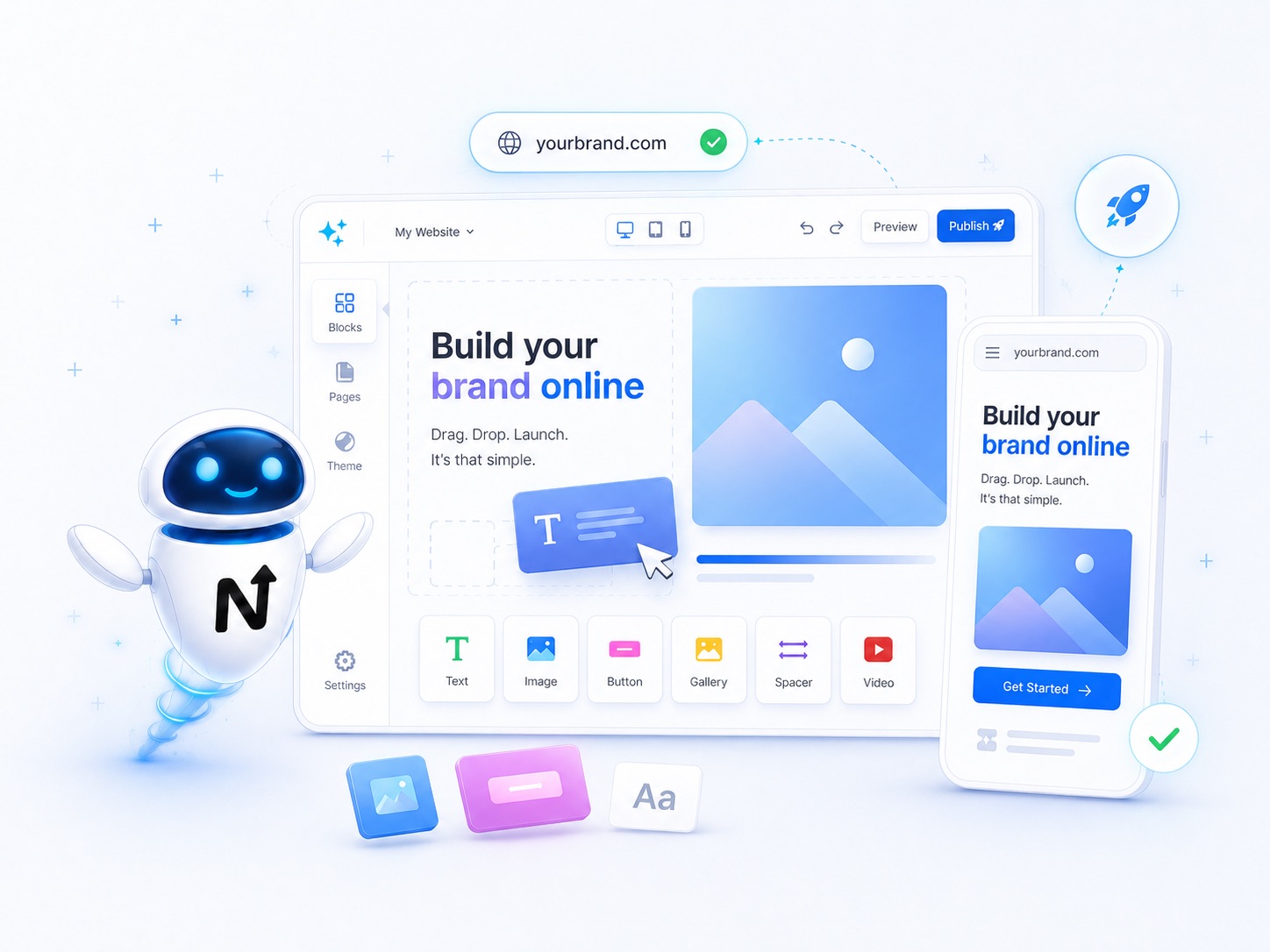
Website builders
AI website builders with drag-and-drop editing turn a simple prompt into a live, mobile-ready brand site in minutes - no developer required.
Build a website
Professional email
you@yourbrand.com on enterprise-grade email, set up the moment you own the domain. Calendar, drive and meetings included.
Set up emailFrequently Asked Questions
A good logistics name is short, easy to say and spell over a noisy phone line, distinctive among descriptive competitors, and broad enough to cover the services you will add later. It should pair with a clean matching domain and look credible on both a trailer and an RFP cover page.
It is optional. Including it buys instant clarity, which is why brands like Arrive Logistics carry it, but a distinctive core word can stand alone once the market knows you. Decide by reading the full name aloud in an email signature and on a trailer, with and without it.
A place name builds local trust and works well if you plan to stay regional. The risk is geo-boxing: the name fights you the day your lanes expand. Many founders keep the brand portable and let the service area live in the tagline and sales material instead.
In freight, the closer the better. Vetting is constant in this industry, and a name, website, and email domain that all align remove doubt at the decision moment. A coined name, a two-word .com, or a fitting modern extension are the realistic routes to a clean match.
Default to .com for a carrier, brokerage, or 3PL selling to conservative B2B buyers. Logistics technology sits naturally on .io, .ai, or .app, associations on .org, and a short modern ending like .now can keep a strong name compact. Avoid novelty endings that need explaining.
Adjust the name rather than damage the address. Coin a variation, respell the core word, or fuse a second word into a clean compound, and check results as you go. Bolting extra words onto a taken name usually produces an address that erodes trust instead of building it.
Search state and national company registries, trademark databases, and carrier and broker listings for the same or confusingly similar names in transportation. Treat those searches as a first screen rather than clearance, and have a qualified professional run the final check before you commit.
Be careful with terms that imply authority, licensing, certifications, coverage, or services you do not actually provide. Words like carrier, broker, freight forwarder, customs, bonded, certified, express, nationwide, or international can carry expectations depending on where you operate and what you offer. Rules vary by country and transport category, so check the company registration, transport authority, and professional requirements that apply before using a name publicly.
Usually not on day one. The industry's famous initials earned their meaning over decades of service. A new company introducing itself as three letters tends to be forgettable. Choose a strong full name now and let the market compress it later if it wants to.
Keep the core brand to roughly one to three syllables so it survives check calls, fits on labels and bills of lading, and types quickly into an email address. A longer full legal name is fine as long as the everyday spoken brand stays short and unmistakable.
The smartest next step
You have seen how the strongest freight, forwarding, and supply chain brands name themselves across six styles, and how the right address turns a good name into a trusted one. The fastest way to apply it all is the logistics company name generator, which produces names tuned to your services and tone, with instant checks on every result.
And if you want a brand that starts with the address itself, the NextBrand strategic domain marketplace is the place to browse ready-made options worth building on.
Ready to find your name?
Pick your path and start exploring.
Related NextBrand Links