
Catchy BusinessName Ideas
How to name a catchy business -The Complete Guide
Explore catchy business name ideas backed by real brand examples, six proven naming styles, domain strategy, and a shortlist process to land on a name that sticks.
A long-form guide to finding a catchy business name, with real brand examples, domain strategy, and practical patterns you can use to land on a name that grabs attention, sticks in memory after a single hearing, sounds great out loud, and works for any kind of business you are building.
A catchy business name is one that grabs attention, resonates with the people you want to reach, and is effortless to remember. It is the name a customer hears once at a party and can still type into their phone a week later. It is the name that makes someone smile, lean in, or ask "what's that?" It is the name that travels by word of mouth without anyone having to spell it out. In a world where customers are bombarded with options and have a few seconds of attention to spare, a catchy name is one of the most valuable assets a business can own, because it does the work of marketing before a single dollar is spent on advertising. The catchiest names become part of everyday language, turn into verbs, get repeated in conversation, and lodge themselves in memory in a way that forgettable, generic names never do.
Here is what makes naming for catchiness interesting: catchiness is a quality, not a category. A catchy name can belong to any kind of business. It might be a tech startup, a food brand, a clothing label, a local service, an app, a marketplace, a media company, or a corner shop. What unites catchy names across all of these is not their industry but their craft: the sound, the rhythm, the length, the playfulness, the unexpected twist, the way they roll off the tongue and stick in the mind. That means the lessons of catchy naming apply no matter what you are building, and the examples worth studying come from every corner of business, chosen not because they share a sector but because they share that hard-to-pin-down quality of being impossible to forget.
This guide is built for anyone who wants a catchy name for their business, in any field. Whether you are naming a startup, a product, a shop, an app, a service, a personal brand, or a full company, the same principles of catchiness apply. You want a name that grabs attention in a crowded feed or a busy street, resonates with the people you are trying to reach, and is so easy to remember that customers can summon it from memory days later. Because catchiness is a quality rather than an industry, this guide draws its examples from across the business world, choosing brands that are genuinely catchy and breaking down exactly what makes each one work. The point is not the industry each example happens to occupy, but the naming move that makes it catchy, a move you can borrow for your own business in any field.
Throughout this guide you will see real brand examples chosen for one reason: they are catchy. Some are short, punchy coined words. Some are playful compounds. Some are clever respellings. Some are everyday words used in unexpected ways. Some create a vivid image or feeling in a single beat. What they have in common is that they grab attention, stick in memory, and sound good out loud, which is exactly what you are aiming for. Studying the specific move behind each one, the doubled letter, the unexpected pairing, the vivid image, the satisfying rhythm, is one of the fastest ways to learn how to make your own name catchy.
By the end, you will have a clear way to evaluate your own ideas for catchiness, a list of naming styles to work through, a realistic view of how to choose a domain, and a shortlist process for locking in the winner.
At a Glance
A catchy business name usually sits at the intersection of three qualities, which together are what "catchy" really means.
The first is attention. A catchy name grabs you. It stands out in a feed, on a shelf, on a sign, or in a list of search results, and it makes you pause for a beat instead of scrolling past. Attention comes from distinctiveness: an unexpected word, a playful twist, a satisfying sound, or a vivid image that sets the name apart from the interchangeable, generic names around it. A name that blends in fails the first test of catchiness, because a name no one notices is a name no one remembers.
The second is resonance. A catchy name connects with the people it is meant for. It fits the audience, matches the spirit of the business, and creates a small spark of recognition, delight, or curiosity in exactly the people you want as customers. Resonance is what turns attention into affinity: the name does not just get noticed, it feels right, like it belongs to a business those particular customers would want to be part of. A name can be attention-grabbing and still fall flat if it does not resonate with the actual audience, so the catchiest names are tuned to the people they are trying to reach.
The third is memorability. A catchy name is effortless to remember. After hearing it once, a customer can recall it, say it, and type it correctly days later. Memorability comes from simplicity, sound, and structure: short names, rhythmic names, names with repetition or a satisfying shape, names that are easy to spell and impossible to confuse. This is the quality that makes catchy names so valuable, because a memorable name travels by word of mouth, gets typed directly into a browser, and comes back to mind at the moment a customer is ready to buy. A name that requires spelling or explanation breaks the chain.
The strongest catchy names pass all three. They grab attention, resonate with the right audience, and are effortless to remember. Most of this guide walks through the specific naming moves that produce all three, drawn from real brands that nailed them.
Should your domain name match your catchy business name?
Yes, and for a catchy name the match matters even more than usual, because the whole point of catchiness is that people remember the name and act on it, and the first thing they do is type it into a browser. A catchy name that a customer can recall perfectly is wasted if the domain does not match what they remember, because they end up on a parked page, a competitor, or a search results list instead of on your site. The catchier the name, the more direct traffic it generates from memory, and the more it matters that the domain delivers those people exactly where they expect to land.
Think about how a catchy name actually works. Someone hears it, it sticks, and later, often much later, they type what they remember into their phone. A friend recommends it in conversation, and the listener types the name they just heard. Someone sees it on a sign or a package, remembers it, and looks it up at home. The entire value of catchiness is that it drives this kind of recall-based, type-it-from-memory traffic, and every bit of that traffic depends on the domain matching the name people carry in their heads. If the name and the domain diverge, the catchiness leaks away into confusion and lost visits.
The goal is a domain where the catchy name and the URL are the same, or as close as possible, so that the name a customer remembers leads straight to you. If the exact .com is out of reach, the next best options are a clean variant that keeps the catchy name intact or a strong alternative extension that fits the brand's energy, both of which the alt TLD section covers later. What matters most is that the memorable thing and the typed thing are the same thing.
What you want to avoid is the trap of a genuinely catchy name paired with a domain that undercuts it. If the only address available adds hyphens, numbers, or an awkward extra word, you lose the very thing that made the name valuable, because a customer who remembers the catchy name will type the obvious address and not the compromised one. A catchy name on a compromised domain is a leaky bucket: the name does its job of lodging in memory, and then the domain fails to capture the visit. In a business built on memorability, that is a costly mismatch.
The short answer: choose a catchy name whose domain you can actually own, so the name that sticks in customers' heads leads them straight to your door. If the exact match is gone, reshape the name until you find a catchy one you can hold cleanly.
Why a strong catchy business name and domain are worth the effort
It is tempting to treat a catchy name as a nice-to-have, a bit of fun on top of the real business. In practice, catchiness and a matching domain together drive how many people notice the business, how many remember it, how many come back, and how far the name carries on its own, all of which show up directly in how much the business has to spend to grow.
A catchy name creates immediate attention and presence:
A name that grabs people gets noticed in a feed, on a shelf, or on a sign, and a clean matching domain means anyone who notices can find the business in seconds. The businesses that break through the noise fastest are almost always the ones whose names stop people in their tracks and whose addresses are instantly findable.
A catchy name resonates and signals personality:
A name that fits its audience and carries a spark of wit, warmth, or energy tells customers something about the spirit of the business before they know anything else. That personality earns affinity and makes people want to engage, which a flat, generic name never accomplishes.
A catchy name is effortless to remember and share:
This is the heart of why catchiness matters. A name a customer can recall and repeat without thinking compounds every time it travels by word of mouth, gets mentioned in conversation, or comes back to mind at the moment of purchase. Names that require spelling or explanation lose this power entirely, dying in the gap between "you should check out" and an actual visit.
A catchy name builds recognition and loyalty over time:
A name that is easy to remember and pleasant to say becomes a familiar, trusted handle that customers return to and recommend. As the business grows, that memorable name carries its accumulated recognition forward, becoming more valuable the more it is repeated, while a forgettable name has to be re-introduced again and again.
A catchy name creates lasting competitive positioning:
In a crowded market where many businesses compete for the same attention, the name is often the single most important differentiator at the moment a customer decides whether to notice and remember. A business with a genuinely catchy name can win attention and recall against equivalent competitors simply because its name is the one that sticks.
All of this compounds into growth that costs less to earn. When the name grabs attention, resonates, and sticks on its own, the business does not have to spend as hard on advertising to be noticed and remembered. The catchiest-named businesses get a compounding return on every impression, because the name does part of the marketing for free, while businesses with forgettable names pay over and over to achieve the recognition a catchy name delivers on its own.
What matters most when naming a catchy business
Sound and rhythm
Catchy names are pleasing to say. They often have a satisfying rhythm, a bounce, or a musical quality, and they tend to use sounds that feel good in the mouth, like hard consonants that pop or repeated sounds that create a beat. Say a candidate aloud several times. If it has a pleasing rhythm and is fun to repeat, it has one of the core ingredients of catchiness. If it feels clunky or flat to say, it will struggle to stick.
Brevity
Short names are easier to remember, easier to say, and easier to type. Many of the catchiest names in business are one or two short syllables, and almost all of them are short enough to take in at a glance. Length is the enemy of catchiness, so when in doubt, shorter is stickier. A long name asks more of a customer's memory than most are willing to give.
Repetition and pattern
Alliteration, rhyme, doubled letters, and repeated sounds all make names more memorable, because patterns are easier for the brain to hold onto. A name with a satisfying repetition or a clear pattern tends to lodge in memory more easily than a random string of sounds. This is one of the oldest tricks in naming, and it works.
The unexpected
A small surprise makes a name catchy. An unexpected word, a playful twist, a word used in a context it does not belong in, or a clever respelling all create a moment of delight or curiosity that makes the name stand out and stick. Predictable, literal names blend in, while a name with an unexpected element grabs attention precisely because it is not what the brain was expecting.
A vivid image or feeling
Names that conjure a clear picture or a strong feeling are stickier than abstract ones, because the brain remembers images and emotions more easily than neutral information. A name that puts a vivid image in someone's head, or that creates a specific feeling, gives memory something to hold onto and makes the name resonate.
Ease of spelling
A catchy name has to survive being typed from memory. If a name sounds great but no one can guess how to spell it, much of its catchiness is lost the moment a customer tries to find it. The catchiest names balance distinctiveness with spellability, so that hearing the name is enough to find it. Test every candidate by saying it to someone and asking them to type what they hear.
Fit with the audience
Catchiness is not just about the name in isolation; it is about whether the name resonates with the specific people it is meant for. A name that is catchy to one audience can fall flat with another, so the strongest catchy names are tuned to the customers the business actually wants. Test your candidates with people who fit your target audience, not just with whoever is nearby.
Availability across the surfaces that matter
The catchiest name in the world is only useful if you can own it. Before committing, check that the name, the domain, and the social handles are available together, and run a quick search and trademark check, so the catchy name you fall for is one you can actually claim and build on across the web and social platforms.
Catchy business name ideas by naming style
Six proven approaches to naming your catchy business, each with real examples and practical guidance.
Brandable catchy business name ideas
Brandable names are invented, coined, or distinctively repurposed words that carry little direct description but function as the whole brand. They are a natural home for catchiness, because a coined word can be engineered for sound, rhythm, and brevity from scratch, with no dictionary meaning to weigh it down. The catchiest brandable names are short, fun to say, and built around pleasing sounds, which is exactly why they lodge in memory so easily.
Five real examples worth studying
- •Fiverr at fiverr.com:
is the online marketplace for freelance services. The coined name plays on the idea of services starting at five dollars, respelled with a doubled "r" that gives it a distinctive, punchy ending. The catchiness comes from the playful number-into-word twist and the doubled letter, which make a simple concept into a short, memorable, fully ownable mark. Notice how the doubled "r" does double duty: it makes the word ownable and gives the ending a little snap that a plain "Fiver" would lack. The distinctive coined word has anchored Fiverr's identity in the freelance economy, demonstrating how a playful coined word built on a familiar idea can be both instantly graspable and impossible to confuse with anything else.
- •Zynga at zynga.com:
is the social and mobile games company. The coined name is short, snappy, and built around the unusual, high-energy "zy" opening and a hard "g," giving it a distinctive sound that pops. The catchiness comes from the rare letter combination and the punchy, two-syllable rhythm, which make the name feel modern and energetic while remaining easy to say. A "z" opening is rare in English, and that rarity is exactly what makes the name jump out and stick. The distinctive coined word has anchored Zynga's identity as a games company, demonstrating how an unusual sound and a tight rhythm can make a coined name stick without any literal meaning behind it.
- •Chegg at chegg.com:
is the education-technology company offering study and learning tools. The coined name is a single punchy syllable with a doubled "g" ending that gives it a satisfying, snappy finish. The catchiness comes from its brevity and the hard, doubled consonant, which make it quick to say and easy to remember in a category full of longer, more serious names. In a field of earnest, descriptive names, a single playful syllable stands out simply by being light and fast to say. The distinctive coined word has anchored Chegg's identity in education technology, demonstrating how a single short syllable with a strong ending can cut through a crowded field by being effortless to say and recall.
- •Bonobos at bonobos.com:
is the menswear brand known for its well-fitting trousers. The coined name borrows the playful sound of the primate name, with its bouncy repeated "o" sounds, to create a distinctive and memorable mark with no literal connection to clothing. The catchiness comes from the rhythmic, vowel-rich sound and the unexpected, slightly whimsical choice, which make the name fun to say and easy to remember. The three repeated "o" sounds give the word an almost musical bounce, the kind of rhythm the brain holds onto. The distinctive coined word has anchored Bonobos's identity in menswear, demonstrating how a playful, rhythmic sound chosen for its mouthfeel rather than its meaning can give a brand an outsized memorability.
- •Yelp at yelp.com:
is the local-business reviews and discovery platform. The coined name is a single short syllable that sounds like an exclamation, energetic, a little funny, and impossible to mistake for anything else. The catchiness comes from its brevity, its playful sound, and the way it evokes a spontaneous shout, which together make it pop and stick. A name that sounds like a noise someone might make is inherently memorable, because it carries energy and a touch of humor in a single beat. The distinctive coined word has anchored Yelp's identity as a reviews platform, demonstrating how a single short, expressive syllable can become a catchy, ownable brand and even slip into everyday language as a verb.
Brandable names are the most flexible home for catchiness, because you can engineer them from scratch for sound and brevity, and they commit the business to no single industry. The trade-off is that a coined name starts with no meaning and has to earn its associations over time, but a genuinely catchy one earns them faster, because people remember it and repeat it from the start. They work best when you are willing to build the name's meaning through the business itself.
Compound catchy business name ideas
Compound names join two words into a single brand. They are a strong source of catchiness because the right pairing can create rhythm, alliteration, or a satisfying contrast between the two words, while still hinting at what the business does. The catchiest compounds often pair two short, punchy words, or use alliteration and matched sounds to create a name that bounces.
Five real examples worth studying
- •DoorDash at doordash.com:
is the food-delivery platform. The two-word compound pairs "Door" and "Dash," two single-syllable words that alliterate on the hard "d" and together evoke fast delivery to your door. The catchiness comes from the matched opening consonants and the brisk, energetic rhythm, which make the name pop and reinforce the speed the service promises. The alliteration is what makes it bounce: two hard "d" sounds in a row give the name a percussive beat that a non-alliterative pairing would miss. The compound has anchored DoorDash's identity in delivery, demonstrating how alliteration and a tight two-beat rhythm can make a compound both descriptive and genuinely catchy.
- •TaskRabbit at taskrabbit.com:
is the platform that connects people with local help for everyday tasks. The two-word compound pairs the practical word "Task" with the unexpected, playful "Rabbit," which suggests speed and a bit of whimsy. The catchiness comes from the surprise of the second word, an animal where you would expect a functional term, which makes the name memorable and warm rather than purely utilitarian. The mismatch is the whole trick: pairing a dry word with a playful one creates a small jolt of surprise that lodges the name in memory. The compound has anchored TaskRabbit's identity in the local-services space, demonstrating how an unexpected, playful second word can lift an ordinary first word into a catchy, distinctive brand.
- •Poshmark at poshmark.com:
is the social marketplace for buying and selling fashion. The two-word compound pairs the aspirational word "Posh" with "mark," creating a name that signals style while remaining short and ownable. The catchiness comes from the punchy, fashionable "Posh" and the clean, two-syllable shape, which make the name feel stylish and easy to remember. "Posh" arrives pre-loaded with a sense of upscale style, so the name sets a tone before a customer knows anything else about the marketplace. The compound has anchored Poshmark's identity in fashion resale, demonstrating how leading a compound with a vivid, characterful word can give it both personality and stickiness.
- •GoPro at gopro.com:
is the action-camera company. The two-word compound pairs the imperative "Go" with "Pro," two short, punchy words that together create a rallying cry to perform like a professional. The catchiness comes from the brevity, the motivational energy, and the satisfying two-beat rhythm, which make the name feel active and memorable. The name doubles as an instruction, "go pro", which means customers are repeating a little motivational phrase every time they say it. The compound has anchored GoPro's identity in action cameras, demonstrating how pairing two short, energetic words can produce a name that is both a brand and a built-in slogan.
- •CarMax at carmax.com:
is the used-car retailer. The two-word compound pairs the plain word "Car" with "Max," suggesting a maximum selection and a superlative experience, in a short, punchy mark. The catchiness comes from the hard, clipped sound of both syllables and the sense of "the most" that "Max" conveys, which make the name confident and easy to recall. The clipped one-syllable beats land like two quick taps, giving the name a confident, no-nonsense rhythm that fits a big-selection retailer. The compound has anchored CarMax's identity in car retail, demonstrating how a plain category word plus a punchy superlative can produce a clear, catchy, confident brand.
Compound names are a versatile source of catchiness because the right pairing builds in rhythm, alliteration, or a memorable contrast while still signaling something about the business. They are also among the easiest to secure matching domains around, because a two-word combination often remains available when a single word is long gone. The key is choosing two words that sound good together and keep the name short, rather than stacking long or generic words that flatten the rhythm.
Alt Spelling catchy business name ideas
Alt spelling names intentionally modify standard spelling to create a distinctive, ownable mark. They are a rich source of catchiness because a clever respelling adds a moment of surprise and a distinctive visual signature, turning an ordinary word into something memorable and uniquely the brand's own. The catchiest respellings keep the sound and meaning instantly recognizable while making the spelling distinctly different.
Five real examples worth studying
- •Lyft at lyft.com:
is the rideshare company. The alt-spelled name respells "lift," the idea of giving someone a ride, by swapping the "i" for a "y," creating a distinctive, modern mark while keeping the meaning instantly clear. The catchiness comes from the clean, single-letter twist, which makes a familiar word ownable and gives it a contemporary edge without sacrificing recognition. The "y" reads as modern and tech-forward, so the respelling signals the brand's character even as the word still says "lift" out loud. The styled mark has anchored Lyft's identity in rideshare, demonstrating how a single-letter respelling of a meaningful word can produce a catchy, ownable brand that still reads clearly at a glance.
- •Kool-Aid at koolaid.com:
is the iconic powdered-drink brand. The alt-spelled name respells "cool" with a "K," creating a playful, alliterative pairing with "Aid" that has a bouncy, kid-friendly sound. The catchiness comes from the K-respelling and the matched hard sounds, which give the name a fun, sing-song quality that has made it stick for generations. The two hard "K" sounds turn an ordinary phrase into something that sounds like a chant, which is part of why it has lodged in cultural memory. The styled mark has anchored Kool-Aid's identity as a drink brand, demonstrating how a playful respelling and a matched sound can produce a name with lasting, sing-along catchiness.
- •QuikTrip at quiktrip.com:
is the convenience-store and gas-station chain. The alt-spelled name respells "quick" as "Quik," dropping a letter to create a faster-looking, distinctive mark that pairs naturally with "Trip." The catchiness comes from the clipped respelling, which visually reinforces the speed and convenience the brand promises while making the name ownable. Dropping the "c" makes the word itself look faster on the page, a small visual cue that matches exactly what a convenience stop is about. The styled mark has anchored QuikTrip's identity in convenience retail, demonstrating how a respelling that mirrors the brand's promise, here, speed, can make a name both meaningful and catchy.
- •Sunkist at sunkist.com:
is the citrus brand. The alt-spelled name compresses "sun-kissed" into "Sunkist," a respelling that evokes fruit ripened in the sun while creating a single, distinctive, ownable word. The catchiness comes from the warm, evocative image folded into a clever compression, which makes the name both vivid and memorable. The respelling hides a whole picture, fruit kissed by the sun, inside one tidy word, so the name carries an image without spelling it out. The styled mark has anchored Sunkist's identity in citrus, demonstrating how respelling a warm, evocative phrase into a single word can produce a name that is both image-rich and catchy.
- •Eggo at eggo.com:
is the frozen-waffle brand. The coined, alt-styled name is a short, playful word that became inseparable from its famous "L'eggo my Eggo" slogan, which turns the name itself into a pun. The catchiness comes from the bouncy two-syllable sound and the built-in wordplay, which make the name fun to say and easy to remember. The name was practically built for the pun that made it famous, a reminder that a name which lends itself to wordplay gives marketing a head start. The styled mark has anchored Eggo's identity as a waffle brand, demonstrating how a short, playful coined word that lends itself to wordplay can achieve a catchiness that far outlasts the product description.
Alt spelling is a powerful catchiness move when the respelling keeps the meaning clear while adding surprise and a distinctive signature, which is especially valuable because plain dictionary words are nearly impossible to own. The risk is overdoing it: a respelling so aggressive that customers cannot spell or find the name will cost the business the very memorability it was reaching for, so the catchiest examples keep the twist light and the meaning obvious.
Real Word catchy business name ideas
Real word names use a single common word as the brand. They can be highly catchy when the word is short, punchy, and used in an unexpected context, so that a familiar word takes on a fresh, surprising meaning as a brand. The catchiness comes from the gap between the word's everyday meaning and its new role, plus the instant recognition and clear image a real word provides.
Five real examples worth studying
- •Brave at brave.com:
is the privacy-focused web browser. The single real word, with its connotations of courage and boldness, is used in an unexpected context, a web browser, where it signals a defiant, independent stance. The catchiness comes from the strong, positive word and the surprise of applying it to software, which makes the name feel bold and memorable. A browser called "Brave" implies a point of view, that using it is a small act of standing up for your privacy, which a neutral tech name could never convey. The real word has anchored Brave's identity as a browser, demonstrating how a short, emotionally charged real word in an unexpected context can give a product a catchy, characterful identity.
- •Bolt at bolt.com:
is the technology company known for fast checkout and payments. The single real word evokes speed, electricity, and sudden movement in one short, punchy syllable. The catchiness comes from the hard, clipped sound and the vivid image of a lightning bolt, which together reinforce speed and make the name easy to remember. The word delivers an instant picture, a flash of lightning, that maps perfectly onto the promise of fast checkout, so the name and the benefit reinforce each other. The real word has anchored Bolt's identity in fast payments, demonstrating how a single short word with a vivid, energetic image can be both descriptive and genuinely catchy.
- •Cricket at cricket.com:
is the wireless carrier. The single real word names an insect and a sport, neither related to phone service, which gives it an unexpected, friendly, slightly playful character. The catchiness comes from the bouncy two-syllable sound and the warm, approachable image, which set the brand apart from the more serious names of larger carriers. Against competitors with weighty, corporate names, a friendly word like "Cricket" feels approachable and human, which is itself a differentiator. The real word has anchored Cricket's identity as a wireless brand, demonstrating how a familiar, friendly real word used in an unrelated category can give a business a distinctive, approachable, catchy identity.
- •Honey at joinhoney.com:
is the browser tool that finds and applies discount codes when shopping online. The single real word evokes sweetness and something desirable, used as a warm, friendly name for a money-saving service. The catchiness comes from the soft, pleasant sound and the positive associations of the word, which make the brand feel like a helpful companion rather than a utility. The word's warmth reframes a coupon tool as a sweet little helper, which is far more inviting than a functional name like "CouponFinder." The real word has anchored Honey's identity in online shopping, demonstrating how a short, warm, positive real word can make even a practical tool feel friendly and memorable.
- •Tile at tile.com:
is the company known for small Bluetooth trackers that help people find lost items. The single real word is plain and concrete, naming the small, flat shape of the tracker itself, which gives the brand a clean, simple, tangible identity. The catchiness comes from the brevity and the clear physical image, which make the name easy to say, spell, and picture. The name simply describes what the product looks like, a small flat tile, which makes it instantly concrete and impossible to misspell. The real word has anchored Tile's identity in lost-item tracking, demonstrating how a short, concrete real word that pictures the product can produce a clean, memorable brand.
Real word names work for catchiness when the word is short, vivid, and used in a way that creates a small surprise, and when the business can secure a usable version of the domain even if the bare single-word match is taken. The challenge is almost always availability and distinctiveness, since the best single words are claimed, which is why many catchy real-word brands choose a word with an unexpected fit rather than a literal description of what they do.
Acronym catchy business name ideas
Acronym names compress a longer name into a short set of initials. Acronyms are generally the least naturally catchy of the six styles, because a string of letters carries no sound, image, or meaning on its own. They become catchy mainly in two ways: when the initials happen to spell or sound like a pronounceable word, or when long, consistent use has made the letters themselves familiar and recognizable. The examples below show both routes.
Five real examples worth studying
- •JBL at jbl.com:
is the audio brand known for speakers and headphones. The three-letter acronym comes from the name of audio engineer James Bullough Lansing, and it has become a familiar, recognizable mark in consumer audio. The catchiness here comes not from sound but from long, consistent use that has made the three letters instantly associated with audio gear. The lesson is that these letters earned their recognition over decades of appearing on speakers, which is exactly the head start a new business does not have. The acronym has anchored JBL's identity in audio, demonstrating how initials can become recognizable and memorable over time even without a pronounceable, word-like quality.
- •AMC at amctheatres.com:
is the movie-theater chain. The three-letter acronym comes from its longer historical name, and decades of presence on marquees and screens have made it a familiar shorthand for going to the movies. The catchiness comes from sustained recognition rather than from the sound of the letters themselves, which is the typical path for an institutional acronym. The familiarity was built, not designed into the name, a reminder that most acronyms only become memorable through repetition. The acronym has anchored AMC's identity in cinema, demonstrating how an acronym can become a recognizable, memorable brand through long association with a category.
- •DSW at dsw.com:
is the footwear retailer, whose initials come from Designer Shoe Warehouse. The three-letter acronym created a shorter, snappier mark than the full descriptive name, easier to put on signage and to say. The catchiness comes from the brevity and the rhythm of the three letters, which are quicker and more modern than the long original name. Trading a five-word mouthful for three crisp letters is itself the catchiness move, turning something cumbersome into something quick. The acronym has anchored DSW's identity in shoe retail, demonstrating how compressing a long descriptive name into initials can produce a snappier, more memorable mark than the full phrase.
- •H&R Block at hrblock.com:
is the tax-preparation company. The name pairs the founders' initials, joined by an ampersand, with the real word "Block," creating a mark that is part acronym and part word. The catchiness comes from the rhythm of the initials leading into the solid, concrete word "Block," which gives the name a memorable shape and a sense of dependability. Anchoring the initials with a real word is what rescues the name from being a forgettable letter-string, the most reliable way to make an acronym stick. The mark has anchored H&R Block's identity in tax services, demonstrating how pairing initials with a strong, concrete word can make an acronym-based name more memorable than letters alone.
- •GMC at gmc.com:
is the vehicle brand known for trucks and SUVs. The three-letter acronym, from its longer corporate origins, has become a familiar, rugged-sounding shorthand in the automotive world. The catchiness comes from long recognition and the hard, confident sound of the three letters together, which suit the trucks the brand is known for. The hard consonants happen to sound sturdy, and decades of use cemented that association, but a new brand could not count on either advantage. The acronym has anchored GMC's identity in vehicles, demonstrating how an acronym can take on a fitting character, here, strength and ruggedness, through sustained association with its products.
Acronyms are the hardest of the six styles to make catchy from scratch, because letters alone carry no sound, image, or meaning, which are the raw materials of catchiness. The acronyms above became memorable either through long, consistent use or by pairing letters with a real word, advantages a brand-new business does not have. The cross-page standout worth knowing is MS.now, the new name of the news network formerly known as MSNBC, rebranded as part of the Versant spin-off from NBCUniversal. It shows a clever modern move, pairing familiar initials with the catchy, present-tense .now extension to create a mark that is short, current, and memorable, which is one of the few ways to make an acronym feel genuinely catchy. For a brand-new business chasing catchiness, leading with a string of unfamiliar initials is usually the wrong move, because it starts with none of the sound or recognition that catchiness requires. A short, coined brandable word, or any of the other styles above, will almost always be catchier than invented initials.
Evocative catchy business name ideas
Evocative names create a feeling, image, or association without literally describing what the business does. They are one of the richest sources of catchiness, because a vivid image or a strong feeling is exactly what memory holds onto, and an unexpected evocative choice grabs attention and resonates in a single beat. The catchiest evocative names conjure a clear, often surprising picture that has nothing literal to do with the product, which is what makes them stick.
Five real examples worth studying
- •Poppi at drinkpoppi.com:
is the prebiotic-soda brand. The evocative name conjures fizz, pop, brightness, and fun in a short, bouncy word that suggests the sensation of opening a soda. The catchiness comes from the playful repeated "p" sounds and the cheerful image of a "pop," which make the name feel energetic and joyful. The popping "p" sounds practically mimic the fizz of the drink itself, so the name sounds like the product feels. The evocative mark has anchored Poppi's identity in modern soda, demonstrating how a short, bouncy word that evokes a sensation can give a beverage brand an instantly catchy, upbeat identity.
- •Oatly at oatly.com:
is the oat-milk brand. The evocative name pairs the plain word "oat" with a playful "ly" ending, creating a friendly, slightly quirky word that signals oats without being a flat description. The catchiness comes from the unexpected, almost adverb-like construction and the warm, wholesome image of oats, which make the name distinctive and approachable. Turning a humble ingredient into a playful near-adverb gives the brand a wink of personality that "Oat Milk Co." would entirely lack. The evocative mark has anchored Oatly's identity in plant-based milk, demonstrating how a playful twist on a simple, wholesome word can produce a name that is both clear and catchy.
- •Red Bull at redbull.com:
is the energy-drink brand. The evocative name pairs a bold color with a powerful animal to conjure a vivid image of strength, energy, and intensity, with no literal connection to the drink. The catchiness comes from the strong, punchy two-word image and the sense of raw energy it evokes, which match the product's promise and stick in the mind. Two charged words, a hot color and a powerful animal, combine into a single forceful image that the brain stores as a picture, not just a phrase. The evocative mark has anchored Red Bull's identity in energy drinks, demonstrating how a vivid, high-energy image built from two strong words can create a powerful, memorable brand.
- •Lush at lush.com:
is the cosmetics brand known for fresh, handmade soaps and bath products. The evocative name conjures abundance, richness, and sensory indulgence in a single short word, with no literal mention of soap. The catchiness comes from the lush, sensory feeling the word itself creates and its satisfying single-syllable sound, which match the brand's fresh, indulgent products. The word feels the way the products are meant to feel, rich and indulgent, so the name delivers a sensory promise in one syllable. The evocative mark has anchored Lush's identity in cosmetics, demonstrating how a single evocative word that creates a sensory feeling can give a brand a catchy, on-target identity.
- •Purple at purple.com:
is the mattress and sleep-products brand. The evocative name takes a color with no literal connection to mattresses and turns it into a bold, distinctive identity that stands out in a category of descriptive names. The catchiness comes from the unexpected choice of a single, vivid color word and its clean, confident simplicity, which make the brand instantly recognizable. In a field of literal sleep-and-rest names, claiming a single bold color is a striking, memorable move that gives the brand an instant visual identity. The evocative mark has anchored Purple's identity in sleep products, demonstrating how claiming a single vivid color word can give a brand a catchy, ownable identity in a crowded, literal-sounding category.
Evocative names are especially well suited to catchiness because vivid images and strong feelings are exactly what memory retains, and an unexpected evocative choice grabs attention while leaving the business free to grow. The main consideration is balance: an evocative name usually works best when there is enough context nearby, in a tagline, a description, or the product itself, for customers to connect the feeling to what the business actually offers, so the name's image resonates rather than confuses.
Domain strategy: standard registration vs. premium domains
Once you have a catchy name in mind, the next real decision is how you acquire the domain that will carry it. This comes down to a choice between two paths: registering a clean standard domain at registrar prices, or acquiring a premium domain that has already been claimed and is held as a brand-grade asset. Each path has a different cost, a different timeline, and a different long-term effect on a catchy brand, where the domain is what captures all the attention the name earns.
When a standard registration is enough:
A standard registration is the right call when your catchy name is distinctive enough that the exact match is still freely registerable, when you are launching lean and want to keep costs near zero, or when your business will grow mainly through word of mouth, social media, and direct recall rather than broad paid promotion. A genuinely original coined name, an unusual compound, or a clever respelling often has its exact match available to register cleanly, which lets the catchy name lead customers straight to you without compromise. This is how most new businesses launch, and it is a sensible choice when the catchiness itself is doing the marketing and the budget is better spent elsewhere.
When a premium domain is the smarter move:
A premium domain is the smarter move when your ideal catchy name is short and memorable enough that someone already owns the exact match, which is common precisely because the catchiest names, short, punchy, real or near-real words, are the most sought-after. It is also the smarter move when the business is built to compete for attention at scale, or when you want the cleanest possible version of a catchy name so that every person who remembers it lands exactly where they should. Premium domains tend to be short, clean, and free of the hyphens or extra words that would otherwise dilute a catchy name. For a business whose whole strategy depends on memorability, owning the clean version of the name can be worth a great deal, because it ensures the catchiness converts into visits.
The tradeoffs in practice:
The decision affects almost every dimension of how a catchy brand performs. Trust rises with a clean, short, exact-match domain, because customers read a clean URL as a sign of a real, established business rather than an improvised one. Memorability, the whole point of a catchy name, is protected by a clean domain and undermined by a compromised one, since a customer who remembers the name will type the obvious address. Brand strength compounds over time, and a clean domain lets a catchy name accumulate all of its recognition in one place. Discoverability in search and direct typing strongly favors short, exact-match domains. Direct traffic, which a catchy name generates in abundance through recall, all depends on the domain matching what customers remember. Long-term positioning is shaped by whether the business owns the clean version of its catchy name or a compromised variant. Conversion potential from a curious first-time visitor is higher when the URL is as clean and confident as the name. For a catchy brand, the domain is the bucket that catches everything the name pours in, and a leaky bucket wastes the catchiness.
Practical guidance for a catchy brand:
The right call depends on where the business sits on the ambition curve and on how available the exact match is. A small or local business with a distinctive coined name can often register the exact match cleanly and build a strong, catchy brand on a standard registration. A business whose ideal name is a short, in-demand word, or one built to compete for attention at scale, often benefits from investing in a premium domain, because the cost is one-time and it protects the memorability that makes the name valuable in the first place. The cost of a premium domain is a single investment in capturing recall; the cost of a compromised domain is a permanent leak in the very attention your catchy name was designed to generate.
How to choose the right domain extension
Domain extensions are not interchangeable. Each one carries signals that customers pick up subconsciously, and the right choice depends on the energy and positioning of your catchy brand. The .com extension remains the strongest default for businesses that want maximum reach, recognition, and trust across every audience, including customers who still treat .com as the default and type it by reflex. Alternative extensions each carry their own meaning, and the right one can outperform a compromised .com when the extension matches the brand's energy and the exact catchy name is available there. Below we walk through the extensions that matter most, with both real .com pairings worth studying and strong brand-matching alternative TLD pairings worth studying that show how different extensions can support a catchy identity.
Brand-matching .com pairings worth studying
The most common strategy for a catchy brand is a short brand-matching .com that matches the name exactly, so that the memorable name and the typed address are identical. This pattern is the safest, most trusted, and most discoverable option for the vast majority of businesses, and the examples below show how to do it cleanly. The mix includes four real operating brand .com pairings plus one strategic .com pairing that shows how a clean, catchy domain can work for a new business starting from scratch.
• DoorDash at doordash.com:
demonstrates how a catchy, alliterative compound can hold a clean exact-match .com that reads exactly as the name is spoken. The URL has anchored DoorDash's identity in delivery, showing how a punchy two-word .com captures all the recall a catchy name generates.
• GoPro at gopro.com:
demonstrates how a short, energetic compound can secure the clean exact-match .com that matches its built-in rallying cry. The URL reads exactly as the brand is spoken and has anchored GoPro's identity in action cameras.
• Poshmark at poshmark.com:
demonstrates how a stylish, characterful compound can hold a clean exact-match .com that keeps the brand intact. The URL has anchored Poshmark's identity in fashion resale, showing how a catchy compound stays clean and ownable as the business grows.
• Fiverr at fiverr.com:
demonstrates how a playful coined respelling can secure the exact-match .com that gives it a fully ownable identity. The doubled-letter URL reads exactly as the brand is spoken and has anchored Fiverr's identity in the freelance economy.
• SoundClub at SoundClub.com:
is a strong example of the catchy, energetic compound .com worth studying for any business starting fresh. The two-word compound pairs the vivid sensory word "Sound" with the membership-and-community word "Club," creating a name with a clear rhythm and an inviting, communal feel that could anchor a music venture, an audio brand, a creative collective, an events business, a media venture, or any business that wants a name suggesting energy and belonging. For a founder who wants a catchy, ready-to-build identity, the pattern shows how a clean two-word compound on a memorable .com can carry an entire brand without resorting to hyphens, numbers, or awkward suffixes, while the pairing of a sensory word with a community word gives the name both vividness and warmth.
Brand-matching alternative TLD pairings worth studying
Alt TLD adoption is growing across every kind of business, driven by founders who want a short, modern, exact-match URL when the .com is taken or when the extension itself adds to the brand's energy. The pairings below show how strong brand-matching domain pairings can support a catchy identity, with two .now examples whose extension adds a punchy, present-tense kick, plus two non-.now examples showing how the alt TLD landscape extends well beyond .now for catchy brands of any kind.
• Sing.now:
captures a vivid, active verb and pairs it with the immediacy of the .now extension, creating a short, energetic, catchy mark. For a music or audio venture, a karaoke or performance brand, a creative platform, an events business, an entertainment app, or any business that wants a name full of energy and invitation, Sing.now does real work before a customer reads a word of copy. The catchiness comes from the punchy single-syllable verb and the present-tense kick of .now, which together create a mark that feels like an invitation to act right now. "Sing" is a universal, upbeat word, and pairing it with .now produces a name where the extension is part of the catchiness, reading almost like a phrase. For a brand that wants an energetic, action-oriented identity, the pattern shows how a vivid verb on a present-tense extension can be catchy in a way a plain .com could not.
• Date.now:
captures a short, punchy word whose meaning doubles cleverly with the immediacy of the .now extension, so the name reads as a complete, action-oriented phrase. For a dating app or service, an events or calendar product, a social platform, a scheduling tool, or any business built around connection or timing, Date.now turns the extension into part of the name itself, creating a catchy mark that says "date now" in two short beats. The catchiness comes from the way the word and the extension combine into a natural, imperative phrase, which is far stickier than the word alone on a conventional extension. For a brand where the name and the extension can work together as a phrase, the pattern shows how the right word paired with .now can produce a uniquely catchy, self-contained identity.
• Carrd at carrd.co:
demonstrates how a catchy coined respelling can still create a short, memorable alternative-domain pairing when the exact .com is not the path being used. Carrd, widely used to build simple one-page sites, respells "card" with a doubled "r" and pairs it with a short alternative extension. The catchiness comes mainly from the doubled-letter twist on a familiar word, while the short domain keeps the whole mark compact and easy to remember. The pattern shows how a catchy respelling plus a concise extension can produce a memorable, ownable identity without relying on a long or compromised domain.
• Beacons at beacons.ai:
demonstrates how an evocative, image-rich name can use the .ai extension to signal a technology-and-creator focus. Beacons, a platform creators use to build a link-in-bio and online presence, pairs an evocative word, suggesting a guiding light that draws people in, with the .ai extension that signals its modern, AI-enabled tooling. The catchiness comes from the vivid image of a beacon, while the extension places the brand squarely in the technology space. The .ai extension suits an AI product, a creator tool, a tech-forward consumer brand, or any business whose identity sits at the intersection of a catchy name and modern technology, and the pattern shows how an evocative name on a fitting technical extension can be both memorable and clearly positioned.
For a catchy brand, the extension is part of the name's music. A punchy extension like .now can turn a single word into a phrase and become part of the catchiness itself, a concise alternative extension can keep a coined name short and modern, and a focused .ai can position an evocative name in the technology space, all while .com remains the broadest default for a business that wants maximum reach and the cleanest possible match between the name people remember and the address they type.
Shortlist the strongest names
Once you have explored the naming styles above and generated real candidates, the shortlist is where discipline matters most. Most first-time founders settle on the first name that sounds reasonable and miss the chance to find something genuinely catchier and more memorable. The goal of the shortlist phase is to narrow ten to fifteen candidates to one or two finalists that pass every test of catchiness you care about.
Start with the say-it-aloud test, which matters more for catchiness than anything else.
Say each candidate out loud several times, the way a customer would when recommending it to a friend. Does it have a pleasing rhythm? Is it fun to repeat? Does it roll off the tongue? Names that sound great spoken are the ones that travel by word of mouth, while names that feel clunky or flat to say will struggle to stick no matter how clever they look on paper.
Then run the hear-it-once test.
Say the name to several people without showing them the spelling, wait a moment, and ask them to repeat it and type it into a search bar. If they can recall it and spell it correctly after hearing it once, the name has the memorability and spellability that catchiness requires. If they forget it, mishear it, or cannot guess the spelling, take it off the list, because a catchy name that cannot survive being heard once is not actually catchy.
Third, run the resonance test with your actual audience.
Show your finalists to people who fit the customers you want, not just to friends and family, and watch their reactions. Does the name spark recognition, a smile, or curiosity in the right people? A name that resonates with your target audience is doing the second job of catchiness, and a name that lands flat with the people who matter, however clever it seems to you, is not the one.
Fourth, check the domain and the social handles together.
A catchy name is only useful if you can own it cleanly, so a finalist needs a matching domain and available handles in the same moment. A name whose domain is taken or whose handles belong to someone else will leak the very attention its catchiness generates, so confirm you can claim it across the surfaces that matter before committing.
Fifth, run the stand-out test.
Picture the name in a crowded feed, on a shelf, or in a list of competitors. Does it grab attention and stand apart, or does it blend in with similar-sounding names? The first job of catchiness is to be noticed, so favor the candidate that pops in context over the one that sounds safe but disappears among its neighbors.
Finally, trust your gut on one dimension: is this a name you would be excited to say out loud, again and again, for years?
A catchy name is one you and your customers will repeat constantly, so it should be one you enjoy saying and are proud to share. If a name makes you a little excited every time you say it, that energy is contagious and is itself a sign of catchiness. If you hesitate or feel the need to explain it, keep looking.
Common mistakes to avoid
Over years of watching businesses launch, grow, and rebrand, a handful of naming mistakes show up again and again, and several work directly against catchiness. Avoiding them does not guarantee a catchy name, but it removes the most common reasons names fall flat.
Making the name too long.
Length is the enemy of catchiness. A long name is harder to say, harder to remember, and harder to type, and it dilutes the rhythm and punch that make a name stick. When a name runs long, look for ways to shorten it, because almost every catchy name is short enough to take in at a glance.
Being clever at the expense of clarity.
A name can be so clever, so layered with wordplay or inside meaning, that customers do not get it and cannot spell it. Cleverness only helps catchiness when it lands instantly; a joke that has to be explained is not catchy, it is confusing. Aim for the kind of cleverness that clicks in a single beat.
Choosing a name people cannot spell from hearing it.
Catchiness depends on a name surviving the trip from a customer's ear to a search bar. A name with an unpredictable spelling, however catchy it sounds, loses much of its value the moment someone tries to find it and guesses wrong. Test every candidate by saying it aloud and asking people to type what they hear.
Sounding generic or interchangeable.
A name built from the same tired pool of generic words cannot be catchy, because catchiness requires standing out, and generic names blend in. The catchiest names find a distinctive angle, a coined word, a playful twist, a vivid image, rather than stacking predictable descriptors that disappear among competitors.
Forcing catchiness with gimmicks.
Random capital letters, unnecessary symbols, or forced misspellings that serve no purpose do not make a name catchy; they make it look try-hard and hard to type. The catchiest names feel effortless, even when real craft went into them. If a device does not genuinely improve the sound, the meaning, or the memorability, leave it out.
Ignoring the domain and handles until later.
A catchy name with a compromised domain leaks the attention it generates, and founders who leave the domain question to the end often end up with exactly that. Bring the domain and handle check to the front of the process, so the name you fall for is one whose clean version you can actually own.
Picking a name that does not resonate with the actual audience.
A name can be catchy in the abstract and still fall flat with the specific people you want as customers. Catchiness is partly about fit, so a name that delights the wrong audience while leaving the right one cold is not doing its job. Test with the people who matter, not just with whoever is nearby.
Copying the catchiness of a brand you admire.
It is tempting to model a name on a catchy brand you love, but doing so tends to produce something derivative that rides on another brand's sound and risks drifting too close to it. Study the move that makes the brand catchy, the doubled letter, the unexpected pairing, the vivid image, and then apply that move to build something distinctly your own.
Boxing the business in with an overly literal name.
A hyper-specific, literal name can be momentarily clear but is rarely catchy, and it can constrain the business as it grows. The catchiest names tend to suggest a feeling or a personality rather than spelling out a single product, which makes them both stickier and more flexible. Favor a name with room to grow and a bit of character over a flat description.
How to get better results from a name generator
A modern AI name generator can surface hundreds of catchy business name candidates in the time it would take to brainstorm a dozen on your own. But getting the best results requires knowing how to input your goals, how to filter the outputs, and how to iterate toward a final shortlist.
Start with specific inputs about the business and the kind of catchiness you want.
The more the tool knows, the sharper the candidates it returns. Tell the generator what your business does, who your audience is, what tone you want, playful, bold, elegant, energetic, and whether you favor short coined words, punchy compounds, clever respellings, or vivid evocative names. Vague inputs produce generic outputs. Specific inputs produce names with the particular flavor of catchiness you are after.
Use the advanced filters rather than scrolling through raw lists.
The strongest tools let you constrain by naming style, by syllable count, by initial letter, by domain availability, and by extension preferences. For catchiness, filtering by short syllable counts and by naming style is especially useful, since the catchiest names tend to be short and to lean on a specific move. A focused, filtered shortlist beats a long unfiltered list every time.
Pay attention to the brandable previews.
NextBrand shows how each name would look as a logo mark before you commit, which matters for a catchy brand whose name will live on signage, packaging, an app icon, and social avatars. A name that looks as good as it sounds is catchier still, and one that does not render well as a clean mark will work against the brand on every surface.
Use the shortlist feature aggressively.
Save every candidate that grabs you on first read, then come back a day later with fresh ears. Catchiness is partly about what still sounds good after the novelty wears off, so the names that are still fun to say the next morning are usually the genuinely catchy ones, while the rest were just momentarily clever.
Run availability checks as you go.
The generator's real-time domain and social handle checks remove one big source of wasted effort, which is falling for a catchy name whose domain or handles are unavailable. Since the catchiest names are the most sought-after, filtering to names you can actually own cleanly saves real disappointment later.
Share your shortlist with a few people whose judgment you trust, ideally some who fit your target audience.
Read each name to them aloud and watch their reaction, since catchiness shows up in the moment of hearing. A name that makes the right people light up, lean in, or repeat it back is showing you its catchiness in real time, and a quick reaction check from a handful of trusted voices usually surfaces the one or two names that genuinely stick.
Premium domain marketplace
Want to start strong?Secure an unforgettable domain name
The Featured category holds hand-picked catchy business brand domains, each chosen for immediate presence, lasting trust, and the market positioning a fresh registration cannot match.
- Immediate online presence
- Signals authority from day one
- Memorable and easy to share
- Strong market positioning
- Builds trust and brand loyalty
- Designed for long-term growth


Beyond the name
Everything you need after the name is yours
Once your brand name is set, we get you live and running with the partners that handle everything else - fast, professional, and ready for customers.
Business formation
Spin up an LLC, Corporation or similar entity through vetted formation partners - paperwork, EIN and registered agent in one flow.
Form your business
Logo design
Hand the brief to professional designers or run a full design contest, whichever fits your budget and timeline.
Design your logo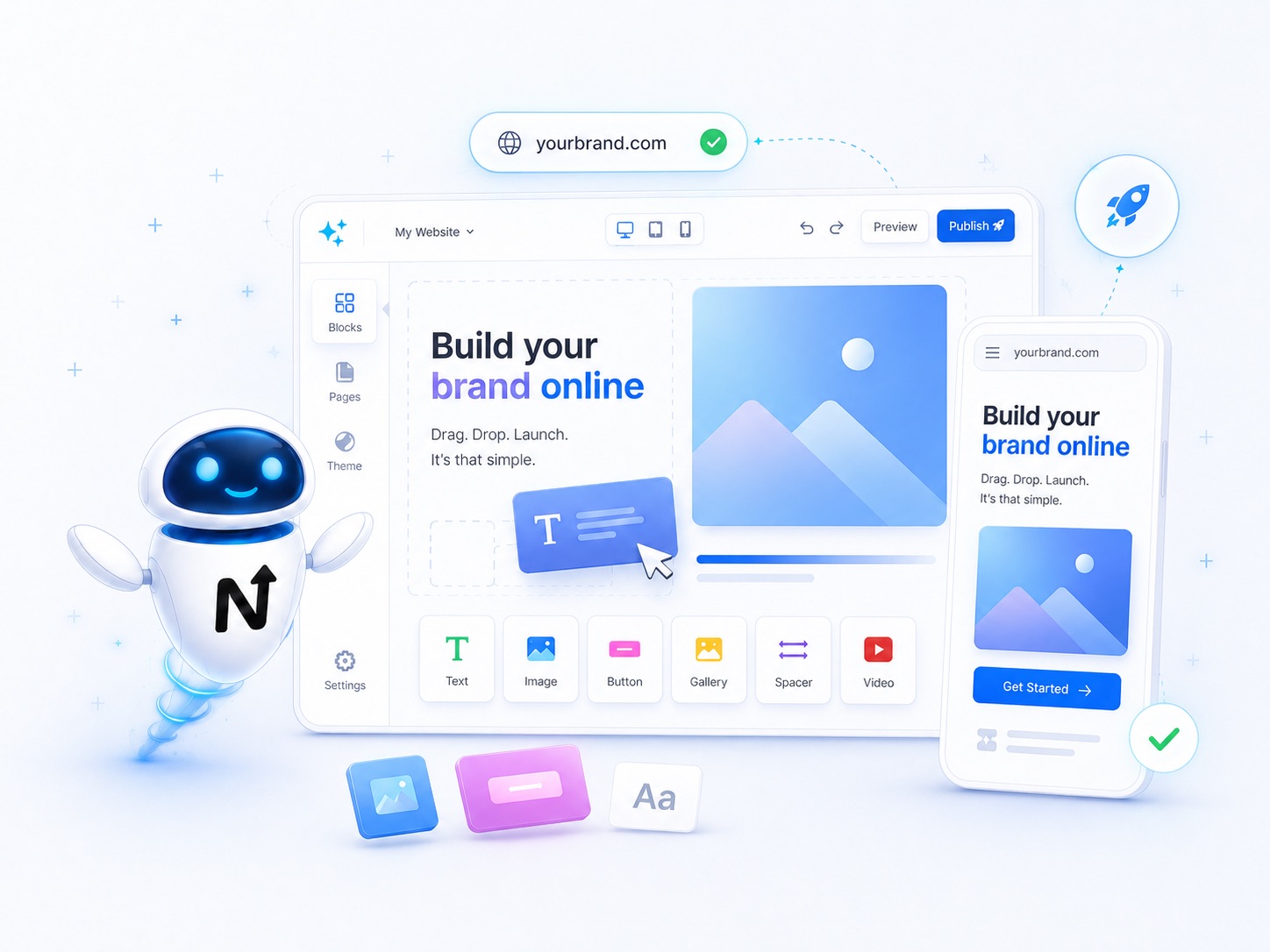
Website builders
AI website builders with drag-and-drop editing turn a simple prompt into a live, mobile-ready brand site in minutes - no developer required.
Build a website
Professional email
you@yourbrand.com on enterprise-grade email, set up the moment you own the domain. Calendar, drive and meetings included.
Set up emailFrequently Asked Questions
Catchiness comes from a combination of sound, brevity, surprise, and a vivid image or feeling. Short names with a pleasing rhythm, a playful twist, repeated or punchy sounds, or a clear mental picture tend to stick, while long, generic, or flat names do not. A catchy name grabs attention, resonates with the right audience, and is effortless to remember and spell, which together let it travel by word of mouth and come back to mind when a customer is ready to act.
Shorter is almost always catchier. Many of the catchiest names are one or two short syllables (Yelp, Bolt, GoPro, Poppi), and almost all are short enough to take in at a glance. Length dilutes rhythm and strains memory, so unless a longer name has an unusually strong hook, lean short. A name that fits cleanly on an app icon and is easy to say in one breath has a head start on catchiness.
Not necessarily, and often it is catchier if it does not. Many of the most memorable names create a feeling or a vivid image rather than describing the product literally, which gives them personality and room to grow. A light hint at the business can help, but a name that is all literal description tends to be forgettable. The catchiest approach is usually a distinctive word with the right energy, supported by a clear tagline or context.
Yes. Catchiness and professionalism are not opposites; a name can be memorable and still credible. The key is matching the flavor of catchiness to the audience, a clean, confident, easy-to-say name rather than a jokey one. Plenty of serious businesses have short, memorable, well-crafted names that are catchy in a polished way. The goal is a name that sticks while still fitting the tone your customers expect.
This is common, because the catchiest names are the most in-demand. Before settling for an awkward variation, explore a clever respelling, a short compound, or a strong alternative extension that fits the brand's energy, sometimes the extension itself adds to the catchiness. A clean, catchy name on a strong alternative TLD often beats a compromised, hyphenated .com, as long as the name still reads clearly and is easy to say.
Lean on the ingredients of memorability: keep it short, give it a pleasing rhythm or a repeated sound, make it easy to spell from hearing, and tie it to a vivid image or feeling. Then test it by saying it to people once and asking them to recall and spell it later. If they can, the name has the memorability that catchiness requires; if they cannot, adjust toward something shorter, simpler, or more vivid.
You need both. A catchy name generates attention and recall, but the domain is what captures that recall and turns it into visits. A catchy name on a compromised domain leaks much of its value, because customers who remember the name type the obvious address. The catchiness and the domain work together: the name makes people remember and act, and the matching domain makes sure they land on you.
You can, but it is disruptive once you have built recognition, because customers, search traffic, and word of mouth are all tied to the existing name. Rebranding means updating everything and re-earning the recognition attached to the old name. Because so much of a brand's value is the recognition it accumulates, it is almost always better to invest the effort to land on a genuinely catchy name upfront than to switch later.
Naming for catchiness puts sound, brevity, surprise, and memorability at the center, where another goal might prioritize description, authority, or industry signaling. The core principles overlap, distinctiveness and a clean matching domain matter for any name, but a catchy name is specifically engineered to grab attention and stick in memory after a single exposure. That focus on the moment of hearing and the ease of recall is what sets catchy naming apart.
The smartest next step
You now have the ingredients of catchiness, the real-world examples, the domain logic, and the shortlist discipline to land on a business name that grabs attention, resonates with your audience, and sticks in memory after a single hearing. The fastest way to turn all of that into a real shortlist is to run your idea through a generator built specifically for this kind of decision.
NextBrand's free and unlimited Catchy Business Name Generator combines advanced AI with the naming patterns that produce genuine catchiness, short coined words, punchy compounds, clever respellings, and vivid evocative names, and surfaces candidates in seconds with logo-style previews and real-time domain and social handle availability. You can filter by naming style and length, shortlist the names that grab you, share the list for feedback with people whose judgment you trust, and claim the one that sticks before someone else does.
If you find a name that grabs you but want a ready-to-build identity with the digital presence already in place, NextBrand's strategic domains collection has high-impact, catchy names available on both .com and high-trust alternative extensions, many of them with the kind of short, memorable roots that would take years to build from scratch and that suit a catchy brand precisely because they are easy to say, spell, and remember.
Whichever path you choose, the single most valuable thing you can do right now is move the naming decision out of your head and onto a shortlist you can actually say out loud and test. The catchier the name you choose, the harder it works for you, every time someone hears it, remembers it, and passes it on.
Claim the name people will still repeat from memory long after they first heard it. The rest of the business gets easier once that one decision is made.
Ready to find your name?
Pick your path and start exploring.
Related NextBrand Links